


2022/05/13 19:50:00 春到来!大原わくわくする畑プロジェクト2021年度の活動の振り返り(後編)
 学生生活
 広報隊藤松
みなさん、こんにちは。グローバル観光学科4年次生の藤松桃葉です。今回は、前回の続きということで、大原わくわくする畑プロジェクトで作った花壇をご紹介したいと思います。
花壇は、もともと畑にあった倒木や丸太を活用して作りました。このアイデアは昨年5月に畑に来てくれたメンバーから出ていたものでついに実現しました。今回はグローバル観光学科新2年次生の木幡美月さんと花田朋実さん、京都外大大学院生の宮田怜奈さんが参加しました。まず、倒木に絡みついたビニールシートを取り除くことから始めました。農業ではマルチやビニールシートなど様々なプラスチック製品を使います。そのプラスチックが土中に残っているのをよく見かけますし、農業に限らず海洋プラスチックなどが問題になっています。そんなことを話しあいながら、できるだけきれいにしました。予想以上に大変な作業でした。
ごみを取り除いたら、倒木と倒木の間に土を入れて花を植えました。植えた花は、京小花、ももいろハート、フォーエバー、ナスタチューム、ミリオンベル、タピアンです。私が一番気に入っている花は、花びらのハート柄が可愛らしいももいろハートです。学舎周辺を散策する方へのアピールを目的として、あえて学舎の外の通路側を正面にしました。倒木や丸太を活用したことで予想以上に可愛らしくなったので、ぜひ多くの方に見ていただきたいです。
大原わくわくする畑プロジェクトを始めて約1年、大変なこともありましたが、学部学科、学年をこえた様々な学生や、地域の方々と一緒に大原学舎と畑を舞台に活動できたこと、たくさんの作物を植え、育て、収穫できたことに対する喜びの方が大きかったです。活動を続けてこられたのも地域の方々、参加してくださったみなさん、応援してくださったみなさんのおかげです。2022年度もたくさんの人と一緒に楽しく活動できたら嬉しいです。
Hello! My name is Momoha Fujimatsu and I am in my senior year at the Department of Global Tourism at KUFS. This blog is part two following on from my last post and I’d like to introduce the flower beds which were made by the Ohara-WakuWaku-Suru-Hatake project.
We made some flower beds using fallen trees which were there already. This idea was proposed by member of our project team who came to Waku-Waku-Suru-Hatake in May last year. This time, Mizuki Kobata and Tomomi Hanada, both in their sophomore year at the Department of Global Tourism Studies and Reina Miyata, a postgraduate student at KUFS, participated in the program. At first, we started by removing plastic sheeting from the fallen trees. In agriculture, plastic goods such as mulching sheets are used. We could see the plastic in the soil and the ocean plastic is also a big issue, so we cleaned up as much plastic as possible. This work was harder than I expected.
After removing the trash, we put soil into the space between the fallen trees and planted flowers. We planted Kyo-Kobana, Momoiro-Heart, Forever, Nasturtium, Petunia and Tapian. My favorite flower is Momoiro-Heart because the heart-shaped patterns of the petals are so cute. We turned the front of our flower bed to face the path that led out from the Ohara School because we want to beautify the area around the school for the local community. We were able to make a cute flower bed by using logs and fallen trees, so I’d like to show off our flower bed to as many people as possible.
About a year passed since we started the Ohara-WakuWaku-Suru-Hatake project. Although it has been hard sometimes, we have been able to work near the Ohara School with various students from different departments and grades, as well as local people, and we could plant, grow, and harvest a lot of crops. The happiness was greater than the hardship. Thanks to the local people, everyone who participated, and everyone who supported us, we were able to continue our activities. I hope I can enjoy working with many more people in 2022 as well.
-
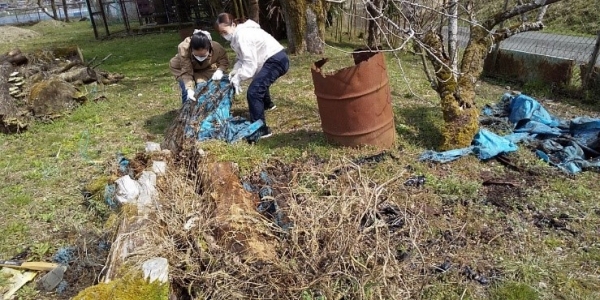 倒木にまとわりついたビニールシートを取り除いている様子 removing plastic sheeting from the fallen trees (撮影:2022年3月24日)
-
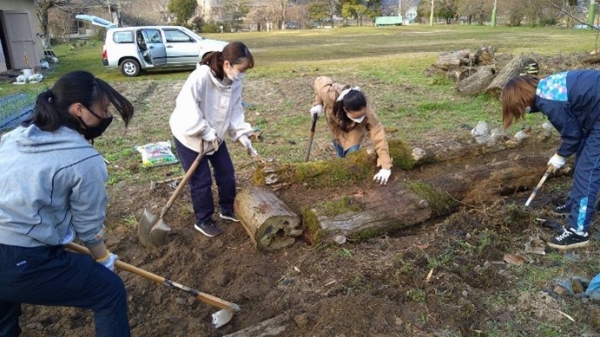 花壇周辺から土を集めて花壇に土を入れている様子 gathering soil around the flower bed and putting the soil into the flower bed (撮影:2022年3月24日)
-
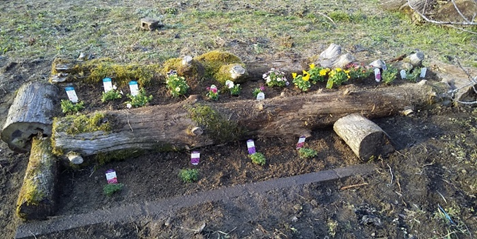 花壇 our flower bed is complete! (撮影:2022年3月24日)
2022/05/06 21:20:00 春到来!大原わくわくする畑プロジェクト2021年度の活動の振り返り(前編)
- 学生生活
- 広報隊藤松
みなさん、こんにちは。グローバル観光学科4年次生の藤松桃葉です。前回わくわくする畑をご紹介してから半年以上が経過してしまいました。そこで、昨年8月から3月までの活動を振り返ってみたいと思います。
8月:大原特産の紫蘇を収穫し、地域の方に教えていただいて紫蘇ジュースを作りました。鮮やかで見た目も美しく美味しいジュースができました。
9月:インゲンマメもたくさん実を付け、合計1,089個収穫できました。白菜の苗を植え、大根の種を蒔きました。
10月:秋の収穫祭と題して芋掘りをしました。学生5名のほか、地域の方も参加してくださいました。大きくて立派なサツマイモも数多くあり、合計82個収穫できました。
11月:玉ねぎの植え付けを、大原学舎で南先生の卒論合宿ゼミを行った先輩方が手伝ってくださいました。
12月:白菜16玉、大根42本を収穫し、大学内で無料配布会を開きました。おかげさまで配布開始日の午前中にはほぼ全てお持ち帰りいただき嬉しかったです。特に白菜は地域の方にも褒めていただけるくらい大きなものができました。
今、畑には玉ねぎ、スナップエンドウ、イチゴが植わっています。そして、3月には花壇作りと、大原わくわくする畑プロジェクトでも使わせていただいている畑横の倉庫の片付け・掃除を行いました。花壇作りについてはブログの後半でご紹介するので楽しみにしていていただけると嬉しいです。
倉庫の掃除・片付けは、ボーイスカウト京都連盟洛桜地区のみなさんと京都外大のスカウト部の学生と一緒に行いました。わくわくする畑がある大原学舎はボーイスカウト京都連盟のみなさんが活動に利用されており、今回倉庫の片付け・掃除にお誘いいただきました。また、京都連盟から声をかけていただいたことをきっかけに、スカウト部も連盟の活動(大学ローバー隊)に参加しはじめているということで声をかけました。本学のスカウト部は、市内の大学スカウト部の中でも歴史のある部だそうです。近年、ボーイスカウトとしての活動は停滞気味だったそうですが、昨年来、次第に大学ローバー同士の情報交換もはじまっているようです。これからが楽しみですね。
そして、みんなで協力して行なった結果、2時間ほどでとてもきれいになりました。ありがたいことに倉庫の約3分の1ものスペースをわくわくする畑プロジェクトが使わせていただけることになったので、これからさらに作業がしやすくなりそうです。また、今回ボーイスカウトやスカウト部との繋がりができたように、大原学舎で一緒に活動できる仲間が今後も増えていくと嬉しいです。
本プロジェクトに関する過去ブログはこちらから!
わくわくする畑プロジェクト始動! 2021/07/16
わくわくする畑の野菜・花たちの紹介! 2021/08/20
Hello! My name is Momoha Fujimatsu and I am in my senior year at the Department of Global Tourism Studies. Half a year has passed since I wrote my blog about the WakuWaku-Suru-Hatake project, so today I'd like to reflect on our activities from last August to March 2022.
August:We harvested perilla leaves (shiso) and made perilla juice with the local people teaching us how. Perilla is a specialty of Ohara. The juice was vivid, beautiful to look at and delicious.
September:We were able to harvest 1,089 beans in total. We planted Chinese cabbage and sowed daikon radish seeds.
October:I dug up sweet potatoes for the autumn harvest festival. In addition to five students, some of the local people also participated. There were many large and splendid potatoes, and we were able to harvest 82 potatoes in total.
November:Students who graduated in March came to visit Tatsuike Ohara School and to write their graduation thesis. They also helped me plant onions.
December:We harvested 16 Chinese cabbages and 42 daikon radishes, and we distributed them at KUFS. I was glad that almost everything was taken home. The Chinese cabbages were so big that the local people praised them.
Now, onions, snap peas and strawberries are planted in the fields. In March, we cleaned and tidied up the warehouse next to the field, which we were using. Moreover, we made a flower bed. I’ll write a separate blog about the flower bed, so I would be happy if you could look forward to my next blog post!
The cleaning and tidying up of the warehouse was carried out with the Rakuo Federation of the Boy Scouts of Kyoto and the students of the Scout Club of KUFS. The Kyoto Federation of Boy Scouts uses the Ohara School, the site of the WakuWaku-Suru-Hatake project, for its activities, and this time they invited us to clean and tidy up the warehouse. In addition, the Kyoto Federation approached the students of the Scout Club at KUFS, and after that, the Scout Club members started to participate in the Kyoto Federation as the University Rover Corps and were consequently invited to join in their activities. This is one of the oldest-established scout clubs in Kyoto City. In recent years, it seems that Boy Scout activities have stagnated, but since last year information exchange between University Rovers Corps has gradually begun to increase. I'm looking forward to seeing what the future holds for them.
After about two hours of working together, the warehouse looked completely different. Going forward, we will use about one-third of the space in the warehouse, so it will be easier for us to work in the future. In addition, I am glad that the number of people working together at the Ohara School will increase, as we were able to connect with the Boy Scouts and the Scout Club for future endeavors.
-
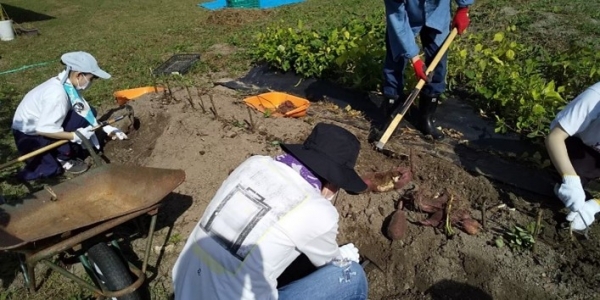 秋の大収穫祭(サツマイモ掘り)autumn harvest festival (digging up sweet potatoes) (撮影:2021年10月10日)
-
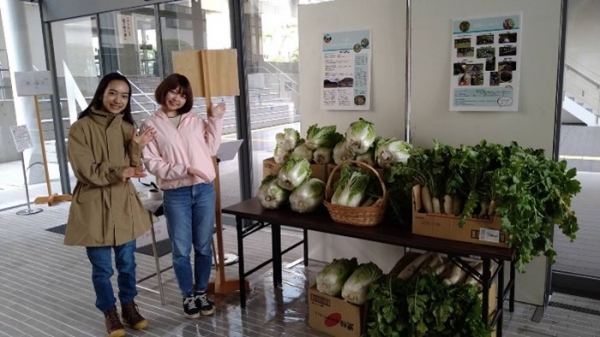 大学内での白菜・大根無料配布会の様子distributing Chinese cabbages and daikon radishes at the KUFS (撮影:2022年1月16日)
-
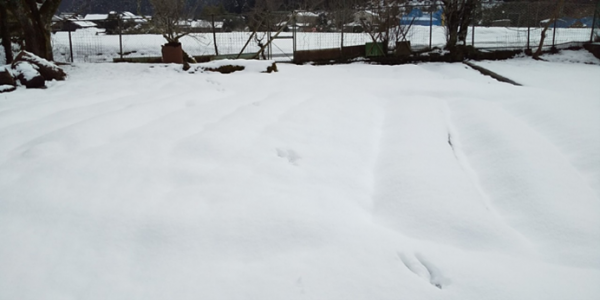 冬のわくわくする畑 WakuWaku-Suru-Hatake in winter (撮影:2022年1月22日)
2022/04/29 19:30:00 CEP京都:「ひと」に着目した伝統産業の情報発信
- CEP活動紹介
- 広報隊江良
こんにちは!グローバル観光学科3年次生の江良みゆきです。新学期がはじまりましたが、もう4月が終わろうとしています。新しい時間割や新しい環境に、ゆっくり慣れていきましょう。
さて、今回は2月に実施された、「2021年度CEP京都」での活動をお伝えします。本プログラムの大きなテーマは、京都の「伝統産業」「伝統文化」です。このテーマに基づき、私たちは、京都の伝統産業における情報発信(宣伝やPR、紹介など)の現状について考えました。そして、伝統産業が情報発信される際に、工芸品やそれらを作成する技術といった「もの」に焦点が当てられている事例が多い一方で、携わっている「ひと」自身について触れた情報が少ないということに気が付きました。そこで、私たちは、京都の伝統を支える「ひと」にライフストーリーインタビューを行い、「『もの』ではなく『ひと』に着目した伝統産業の情報発信」をするという目標を設定しました。
今回、情報発信のために作成したメディアは、「動画」と「フリーペーパー」です。インタビュー取材では、紅村窯四代目、清水焼作家の林侑子さんと、日昇館尚心亭の女将である野村睦美さん、支配人の川添茂雄さんにご協力いただきました。また、その際に学生は「清水焼班」と「旅館班」に分かれ、取材、撮影、動画・フリーペーパー編集を行いました。動画や写真の撮影は全て学生の所有しているiPhoneで行い、編集はiMoveやパワーポイントなどの無料アプリのみを使用したことがこだわりとなっています!
清水焼班による林侑子さんの取材がスタートしたのは2月中旬で、初日は事前学習も踏まえた工房見学をさせていただきました。林さんのご提案で、工房以外にも5つの場所・施設で撮影を行い、その場所と林さんの関係性や仕事から離れた時間の過ごし方などについてインタビューしました。
旅館班の活動は、3月上旬のインタビュー取材からはじまりました。コロナ禍で変化した宿泊業や伝統的な「おもてなし」の心についてのお話、そして現在のお仕事に至るまでの経験やお仕事に対する思いを伺い、女将さんと支配人のお人柄を感じ取ることができました。
取材が終わると、動画の編集、フリーペーパー作成に取り掛かりました。動画編集やデザインなどの専門知識は全くない私たちでしたが、話合いや編集を繰り返して成果報告会までに完成させ、ご協力いただいた方々にお披露目することができました。
CEPでは、参加した学生各々が、京都という地域社会(Community)に貢献(Engage)するために自分ができることは何だろう、とより深く考えるきっかけになったと感じています。そして、私たちは継続してこの活動を行うことで京都の伝統を支えるお手伝いができればいいなと考えました。そこで、CEPから派生した新しいプロジェクト「TaSo(たそ)」を立ち上げました。TaSoでは、今回の改善点を踏まえ、京都の伝統産業の情報発信における課題解決に貢献できるよう引き続き活動していきます。今後は、TaSoをCommunity Engagement について考える「場」として作り上げていきたいと思います。
私たちが作成したフリーペーパーは、パイロット版としてCommunity Engagement Centerに1冊、学科共同研究室に2冊設置しています。また、動画はフリーペーパーに掲載してあるURL及びQRコードから視聴することができます。ぜひお手に取って、ご覧ください。
Hello! I’m Miyuki Era, and I am a third-year student in the Department of Global Tourism. The new semester has begun and April is ending soon. We will get accustomed to our new classes and environment little by little.
Today, I will tell you about the CEP in Kyoto that I participated in during the month of February. The main theme of the program was traditional industries and Kyoto culture. Our initial plan was to disseminate information, through advertising or PR work, related to traditional industries. Then, we found that in those industries the focus tends to be on the product and process, but not so much on the person. So we decided that we would focus on the people behind the traditional industries of Kyoto.
In this program, we created movies and free papers to send information and we interviewed Yuko Hayashi, a fourth-generation Kiyomizu-ware ceramicist, Mutsumi Nomura, the proprietress of Nisshokan Shoshintei, a Japanese-style inn, and Shigeo Kawazoe, the manager of Nisshokan. We divided into 2 groups and carried out the activities, interview, shooting, and editing the ceramic art and ryokan interviews. We only used our iPhones and free apps for editing.
The Kiyomizu-ware group visited Hayashi-san in mid-February and learned about Kiyomizu-ware. For the interview, we went to 5 locations and shot footage and interviewed Hayashi-san about her life.
The ryokan group interviewed in early March. We learned about the ryokan business, Japanese traditional hospitality, and the personal histories of Mutsumi Nomura and Shigeo Kawazoe.
After the interview, we edited our footage and created a free paper. We didn’t have any technical knowledge regarding video editing but we discussed everything and somehow managed to complete our activities.
Through CEP, we can consider how to engage with Kyoto and its community. Moreover, we decided to continue this program because we would like to support this community and traditional industry. We started our own project, TaSo, and we will continue this CEP as members of TaSo. I’d like to grow TaSo into an organization that drives Community Engagement in Kyoto!
Our free paper is available at the Community Engagement Center and our Departmental office. Everyone can watch our movie with the QR code and URL that can be found on our free paper. Please give it a try!
-
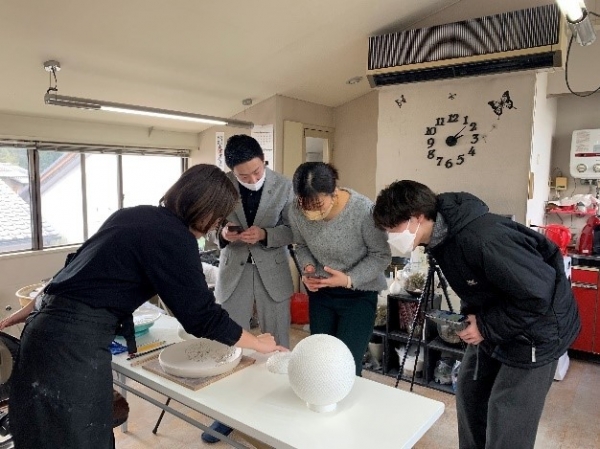 紅村窯での撮影(清水焼班)
-
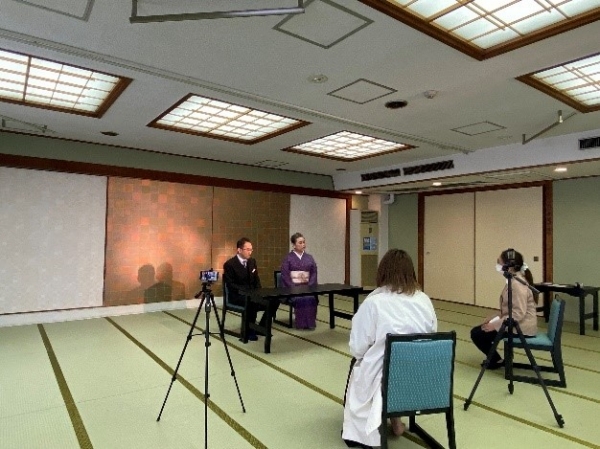 日昇館尚心亭での取材(旅館班)
-
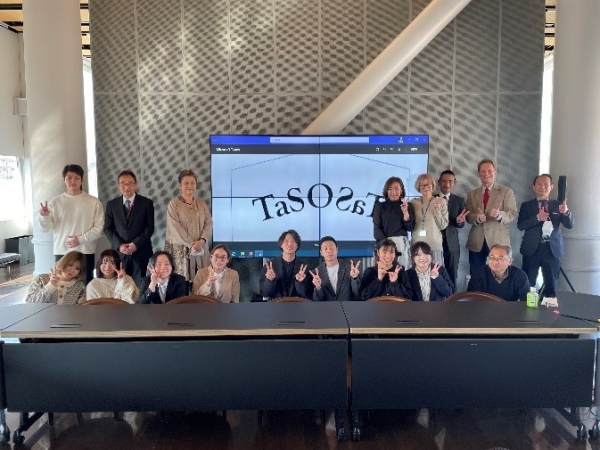 成果発表会にはCEPにご協力いただいた方々をお招きしました!
2022/04/22 23:50:00 CEP南紀白浜
- CEP活動紹介
- 広報隊上田
皆さん、こんにちは。京都外国語大学3年次生の上田佳歩です。今週より春学期がスタートしましたが、みなさんはいかがお過ごしでしょうか。
今回は、2月21日から25日までの4泊5日で実施したCEP南紀白浜の活動を紹介いたします。私たちのプログラムでは「ワーケーション」をテーマとして、ワーケーションに参加する側の視点と、ワーケーションを受入れる立場の視点に分かれ南紀白浜での調査を行いました。コロナ禍でリモートワークが普及して耳にすることが多くなったワーケーションですが、みなさんはご存じですか?ワーケーションとは“Work”と“Vacation”を組み合わせた造語です。観光地などの非日常の場所で、休暇を兼ねてテレワークを行う働きのことを指します。南紀白浜は「ワーケーションの聖地」とも呼ばれています。コロナ以前の2017年より自治体がワーケーションに着目しIT企業の誘致を進めたり、フリーWi-Fiスポットを増やしたりと活動をしてきました。そのため、ワーケーションに最適な自治体の一つなのです。
ここから現地でどのような活動をしたかご紹介します。1〜2日目は主に田辺市で活動しました。2日間で、熊野ツーリストビューロー様、熊野古道の語り部様、秋津野ガルテンの代表取締役会長である玉井常貴様のお話を聞きました。2日目の午前中には世界遺産である熊野古道のルートの一つである「大日越(だいにちごえ)」を歩きました。道中で一つ峠を越えなければならず大変でしたが大自然を感じながら登り切ることが出来ました。3日目以降は白浜町で調査をしました。ホテルシーモア様、アドベンチャーワールドを運営する株式会社アワーズ様、NECソリューションイノベータ様、白浜町役場様、ゲストリビングMu様、クオリティソフト株式会社様、サテライトオフィスAnchor様、南紀白浜空港様、三菱地所様の合計10団体の講演を受けました。また、最終日には南紀白浜観光協会の方々とCEPメンバーで南紀白浜の観光の状況のディスカッションも行いました。ディスカッションでは、白浜町の観光需要の平準化やPR方法などについて議論をし、その中で観光地としてのまちづくりについて考えることができました。
その後3月8日には学内発表をし、3月14日には現地で講演いただいた企業・団体の方々向けにそれぞれZoom上で発表会を行いました。今回のプログラムでは、自治体の皆様や企業の方々、宿泊施設の湯ノ峰温泉及びホテルシーモアの皆様などのたくさんの関係者のお力をお借りし非常に有意義なものとなりました。
これまで、私たち3年次生は入学時より新型コロナウイルスによる多大な影響を受け、こういった研修どころか従来の学校生活、サークル活動もままならないことが多かったです。しかし、今回このようにフィールドワークをできたことで実際に現地に行き調査をすることの意味や重要性を身をもって体感しました。今後も、CEP活動で得た知識や経験を糧にそれぞれのゼミや大学生活で活かしたいです。最後になりましたが、お世話になりました皆様、ありがとうございました。
Hello everyone. My name is Kaho Ueda, a third-year student at Kyoto University of Foreign Studies. The spring semester started this week, how are you all doing?
For this blog post, I would like to introduce the activities of CEP Nanki-Shirahama, which was conducted over 5 days and 4 nights from February 21 to 25. Our program was based on the theme of "Workcation," and we conducted a survey in Nanki-Shirahama regarding attitudes towards hosting and participating in workcations. Workcations have become increasingly popular since the spread of remote work in the pandemic. The word "workcation" is a portmanteau of the words: "work" and "vacation.” It refers to teleworking in unusual places, such as tourist destinations, while also taking vacations. Nanki-Shirahama is also known as the "Mecca of Workcations”. Since 2017, before COVID-19, the local government has focused on workcations and has been striving to attract IT companies and increase the number of free Wi-Fi spots. This makes it one of the best municipalities for workcations.
Here are some of the activities we did in the field: On the first two days, we worked mainly in Tanabe City. During the two days, we listened to the Kumano Tourist Bureau, Kumano Kodo storytellers, and Tsunetaka Tamai, chairman of Akizuno Garten. On the morning of the second day, we visited the UNESCO World Heritage Site of Kumano Kodo. After the third day, we went to Shirahama-cho for research. We received lectures from a total of 10 organizations: Shirahama Key Terrace Hotel Seamore and AWS Co.Ltd., which operates Adventure World, NEC Solution Innovators, Ltd., Shirahama Town Hall, Guest Living Mu, Quality Soft Corporation, Anchor Working Retreat, Nanki-Shirahama Airport, and Mitsubishi Estate Co.Ltd. Also, on the last day, CEP members and the local Tourism Association held a discussion on the state of tourism in Nanki-Shirahama. In the discussion, we discussed the leveling off of tourism demand and PR methods for Shirahama Town, and in the process, we were able to think about town planning as a tourist destination.
After that, on March 8, we gave a presentation on campus, and on March 14, we gave a presentation on Zoom for the companies and organizations that gave us lectures. This program was very meaningful with the help of many people involved, including local government officials, local business people, and the people of Yunomine Onsen and Shirahama Key Terrace Hotel Seamore, our lodging facility.
Until now, we third-year students have been greatly affected by the pandemic since our enrollment at KUFS and have often been unable to participate in conventional school life and club activities, let alone this kind of training program. However, this fieldwork allowed us to experience firsthand the significance and importance of going into the field and conducting research. I would like to continue to make use of the knowledge and experience I gained through CEP activities in my university life including seminar activities. Finally, I would like to thank everyone who helped me.
-
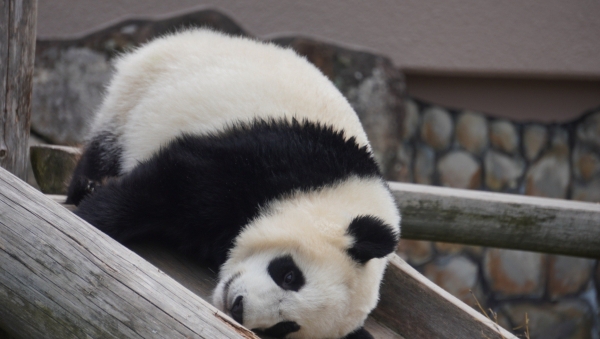 アドベンチャーワールドのパンダ
-
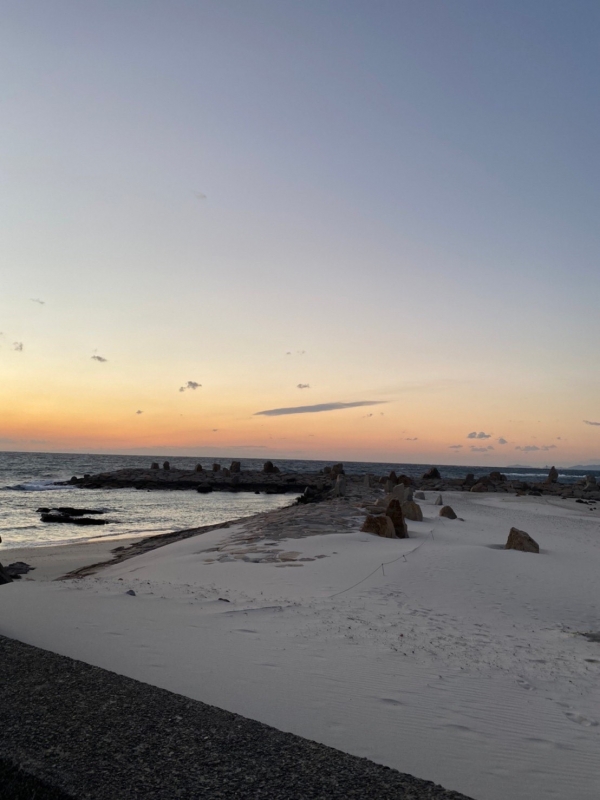 白良浜
-
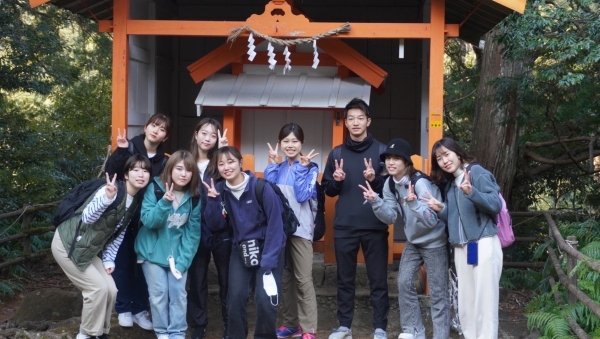 熊野古道の道中の湯峯王子での集合写真 (撮影時のみマスクを外しています))
2022/04/15 22:40:00 ENJOY KYOTO様とのフリーペーパー作り
- 学外活動
- 広報隊倉谷
こんにちは!グローバル観光学科3年次生の倉谷歩佳です。桜は見頃を迎え、外に出て観光する機会が増えた方も多いのではないでしょうか。感染対策をしながらにはなりますが、これから温かくなれば、景色を眺めながら外でお菓子やお茶をいただく、なんてことも素敵ですよね。今回、訪日外国人向け英字フリーペーパー「ENJOY KYOTO」様とコラボレーションさせていただき、今年2月末に京都の神社仏閣内カフェやお茶席についてのフリーペーパーを発行しました。京都のグルメを楽しみながら歴史も学べるようなスポットについて、英語で記事をまとめました。このブログでは、ENJOY KYOTO様とのフリーペーパーづくりについてご紹介します。京都の文化や歴史に関心がある方、取材や記事執筆・編集作業に関心がある方、もちろん、京都の神社仏閣内カフェが気になる方には必見です。
今回の記事発行には、ENJOY KYOTO様のご協力のもとグローバル観光学科の学生10人が活動に携わりました。英語で記事を発行するにあたり、訪日外国人観光客が減少しましたが、京都への修学旅行が回復傾向であることから、中高の修学旅行生をターゲットに英語学習や京都観光のガイドブックとして役立てることができる紙面づくりを考えました。このフリーペーパーでは、古都の歴史を学びながら京都の食文化も楽しめるスポット7か所を取り上げています。どのような流れで発行まで至ったのか、私たちの作業について今回特別にご紹介します。
まず、記事のコンセプトをENJOY KYOTOの編集部の方々と話し合います。内容が固まれば、記事で取り上げる取材先を決め、アポを取ってから実際に取材を行います。質問内容は編集部の方からアドバイスをいただきながら自分たちで考えました。そして、取材内容を日本語でまとめ、添削を受けた後にそれを英語にしていきます。京都の歴史や独特な文化についてのエピソードを英語で分かりやすく表現する工夫を探りながら作業を進められたのではないかと思います。今回は、ENJOY KYOTOの英語ネイティブチェックをしてくださる方からも英語執筆のアドバイスをいただきました。ENJOY KYOTOの編集部の方をはじめ、プロの方々から取材や編集、記事執筆などについてのアドバイスをいただける機会となりました。これは学生生活の大きな糧になったのではないかと考えています。
そして、このフリーペーパーの作成を通して、学年を越えた意見交流や共同作業を活発に行うことができました。アポ取り、取材、記事執筆、記事のデザインなど、役割を分担し、記事作成に携わったメンバー全員で協力し合いながら作業を進めました。共同作業をするとき、積極的にコミュニケーションをとることが一致団結につながるということも学べる活動なのではないかと思います。
2月末にフリーペーパーが発行された後、3月にはご協力いただいた取材先に記事の納品に行ってきました。早速、取材先様の受付に記事を設置してくださる様子を見られ、嬉しかったです。今後、京都を訪れる修学旅行生に、このフリーペーパーを利用して京都での時間を充実させてほしいです。もちろん、京都の神社仏閣内カフェが気になる方も是非、記事を覗いてみてくださいね!
最後に、新入生の皆さんをはじめ、ENJOY KYOTO様との活動に興味がある方はグローバル観光学科の村山先生や私たちに是非お声がけください!記事を読んでくださりありがとうございました。
*表記訂正のお知らせとお詫び(2023.10.25)
上記文面に誤表記がございました。お詫び申し上げますとともに以下の通り、謹んで訂正をさせていただきます。
訂正前:寺社仏閣
訂正後:神社仏閣
Hello, everyone! My name is Ayuka Kuratani, and I am in my junior year in the Department of Global Tourism. The cherry blossoms are glorious right now, so you might want to make the most of it. Although you have to be cautious as the pandemic is still ongoing, it would be wonderful to have sweets and some tea outside on a warm spring day.
This February, I participated in the publishing of an English pamphlet about cafes and tearooms in shrines and temples in Kyoto. This publication was made in collaboration with ENJOY KYOTO, a magazine for foreign tourists. These cafes and tearooms are good for learning the history of Kyoto and also for their delicious sweets and tea. In this blog, I will introduce this activity with ENJOY KYOTO. Students who are interested in Kyoto culture, interviews, writing articles, and cafes may find it interesting!
At this activity, 10 students from the Department of Global Tourism took part and were supported by ENJOY KYOTO. We targeted junior high school and high school students on a school trip to Kyoto, because there are currently very few foreign tourists. Through our pamphlet, we want readers to study English and be guided around Kyoto. The pamphlet contains 7 spots where they can learn about Kyoto and enjoy nice food/drink.
First, we decided on the concept of the article with ENJOY KYOTO’s editorial team. Next, we decided on a reporting location for the article, made an appointment, and went to the interview. We listed questions for the interview we were given advice by the editorial staff. After the interview, we wrote the article in Japanese, which was touched up by the editor and then we translated it into English. I think that we advanced our writing ability by learning unique English expressions to express history and culture clearly. We got advice on English writing from native English speakers at ENJOY KYOTO. These opportunities to work with professionals are what motivates me in my student life.
In addition, through this activity, we exchanged opinions and did group work across grades. We shared tasks, making an appointment, the interview, writing the article, and designing the layout. Team members learned to cooperate with each other. I learned that for teamwork, active communication is vital.
After the pamphlet was published at the end of February, we delivered them to the reporting locations in March. Some locations put it at their entrance, and so I was so happy to see that. I want the students to enrich their school trip to Kyoto with this pamphlet, and of course, for anyone to read if they are interested in cafes and tearooms in shrines and temples!
Lastly, if you are interested in this activity with ENJOY KYOTO, please contact me or Prof. Murayama at the Department of Global Tourism! Thank you for reading.
-
 紙面の中身をちょこっとご紹介
-
 取材先の受付に設置していただきました


