


CEP活動紹介
2021/06/04 21:20:00 上賀茂神社はなぜ2600年以上続いてきたのか?(京都スピリチュアルCEP)
 CEP活動紹介
 広報隊松浦
こんにちは!グローバル観光学科二年次生の松浦芽衣です。今回は私が参加したコミュニティ・エンゲージメント活動(CEP)の京都スピリチュアルプログラムで最も印象に残った、上賀茂神社のお話を紹介します。
まず、上賀茂神社は京都最古の2600年以上の歴史を誇る神社で、厄除けや電気産業守護の御利益があります。私は、この2600年以上という長い歴史がなぜ続いているのかを上賀茂神社神職の芝田さんと権禰宜を務める乾さんに伺いました。
芝田さんからは、この長い歴史が続く理由は昔から続けてきた日々の交流の積み重ねだと教えて頂きました。上賀茂神社では、毎年お祭りが行われる知らせを町内会の方に直接お伝えしたり、お祓いのお札を直接お届けしたりしています。なぜ直接にこだわるのかは、直接会うことで得られるコミュニケーションを大切にしているからだそうです。こうした日々の交流が神社をこれからも残そうという気持ちに繋がり、2600年以上の歴史が続いたのではないかと考えているとおっしゃっていました。
乾権禰宜からは、日本人の変わらない精神と神社が心の拠り所だからだと教えて頂きました。昔から自然災害があったときも神社だけは守ろうとした日本人の精神が今も続いているのだそうです。そして神社が心の拠り所なのは、神社の人が参拝客の子供の誕生を祝ったり、亡くなった人のことを一緒に悲しんだりして、参拝客の心に寄り添ってきたからだと仰いました。
以上の少なくとも三つの点が、上賀茂神社の2600年以上の歴史の理由だと分かりました。私たちが普段何気なく訪れる神社は、昔から今まで続いてきた神社を残そうという気持ちが繋がっているからこそ存在していました。この人と人とのつながりはSDGsの17番の「パートナーシップで目標を達成しよう」に通じていると思いました。私も今回CEPで出来た上賀茂神社の皆様とのご縁を大切にしていきたいです。
Hello! My name is Mei Matsuura and I am in my junior year at the Department of Global Tourism Studies. In this article, I would like to share with you the story of Kamigamo-jinja Shinto Shrine, which left a lasting greatest impression on me during my time participating in the Kyoto Spiritual Community Engagement Program.
Firstly, Kamigamo-jinja is the oldest shrine in Kyoto, with a history of at least 2,600 years, and it serves several purposes, not least of which is warding off evil and more modern concerns such as protecting the electrical industry. I asked Rev. Shibata, a priest at Kamigamo-jinja and Rev. Inui, junior priest at the shrine, why this long history has continued for 2,600 years.
Rev. Shibata told me that the reason for this long history is the accumulation of daily interactions that have continued since ancient times. At Kamigamo-jinja, they directly inform neighborhood associations of the annual festival and deliver purification tablets directly to them. The reason why they insist on direct communication is because they value the connection that can only be gained by meeting in person. Rev. Shibata said that he believes these daily interactions have led to a desire to preserve the shrine for the future, and that is how the shrine has lasted for 2,600 years.
Rev. Inui told us that this is because of the unchanging spirit of the Japanese people and the fact that shrines are a stronghold of the community. He said that the spirit of the Japanese people, who have always tried to protect shrines even in times of natural disasters, continues to this day. Rev. Inui also told us that the reason why shrines are such a stronghold of the community is because the people who serve at these shrines have always been close to the hearts of the visitors, celebrating the birth of children or grieving with them over the loss of loved ones.
These three points are why Kamigamo-jinja has a 2,600-year history that continues to the present day. The shrines we visit without thinking about their past exist today because of the connections between people, creating a community that wants to preserve shrines that have existed since ancient times. I feel that this connection correlates with SDG number 17, "Partnerships for Goals” and going forward I want to cherish the relationships I have made with the people of Kamigamo-jinja through my participation in the CEP.
-
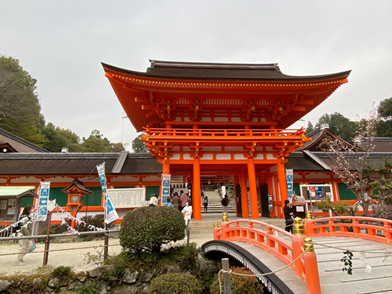 上賀茂神社
-
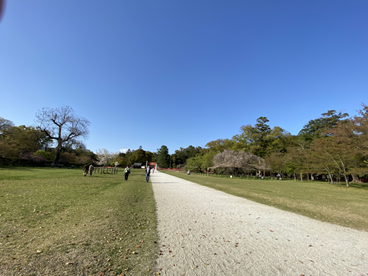 芝生のある境内
-
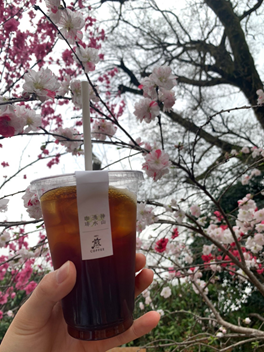 境内にあるカフェ「神山湧水珈琲 煎」の神山湧水珈琲
2021/05/22 17:50:00 最終報告会とその後(CEP京都スピリチュアル)
- CEP活動紹介
- 広報隊梛木
こんにちは!グローバル観光学科3年次生の梛木絢芽です。今回はCEP京都スピリチュアルについてです。CEP京都スピリチュアルは4月16日に行われた最終報告をもって無事終了しました!私たちの大きな目標は若者、特に学生に神社や神道への理解を深め、訪れてほしいというものです。神社は古くから、神社とその地域の人々の協力で守られてきており、私はそんな長い歴史や人々とのつながりを持つ神社がこの先もずっと残っていてほしいなと思います。今の若者が神社や神道に少しでも興味を持ってもらうことがその第一歩になると考えたので私たちはそのようなテーマを立てました。私たちはAとBの2チームに分かれ、それぞれ神社観光に関するコンテンツを考えました。今回はそのコンテンツをご紹介します!
私たちAチームは今人気のカフェめぐりと神社観光を掛け合わせると興味を持ってもらいやすいと考え、その二つをメインにしたエリアマップを作成しました。実習で行かせていただいた神社と周辺調査で訪れたカフェなどを入れて、「松尾大社・嵐山マップ」「西陣マップ」「京都外大から北野天満宮マップ」「下鴨神社・上賀茂神社マップ」の4種類を作成しました。4枚ともメンバーの手書きで、温かみのあるかわいいマップにすることができました!
Bチームはインスタグラムで神社の歴史や逸話を紹介するアカウントの運営をしています。そのアカウントでは実習に行った際宮司さんから教えていただいたことや神社のおすすめポイントなどが載っておりとても面白いものになっています!コアな情報も載っているので神社へ行く前に見ておくのがおすすめです!ぜひBチームのインスタグラムアカウント(@kufs_kyoto_spiritual)をフォローしてください!
私はこのCEP京都スピリチュアルは神社や神道のことを深く知ることができた良い機会になったと思っています。京都の大学に通う学生として、行っておくべき場所にたくさん行くことができ、また神社の宮司さんたちにお話を聞くという貴重なことを経験しました。きっとこの実習に参加していなかったら神社の歴史が面白いことや神道が日本人に馴染み深いことなどを知ることはなかったと思います。実習に協力していただいた神社の方々本当にありがとうございます!この実習で学びを終えるのではなく、これからももっと知識をつけて神社観光を楽しみながらいろいろなことを学びたいです!みなさんがAチームのマップを見て観光したり、Bチームのインスタグラムアカウントで勉強したりして少しでも神社や神道に興味を持っていただけたら嬉しいです!
Hello! My name is Ayame Nagi and I am in my junior year at the Department of Global Tourism. The CEP Kyoto Spiritual wrapped up on April 16th with the final report session held on that day. Our main purpose of these projects is for Japanese students to deepen their understanding about Shinto shrines and for students to get more out of visiting these locations.
Shrines have existed for a long time to protect the local community and I hope that this long history and connection with local people will remain long into the future. The idea of this program was to get young people interested in shrines and Shinto as a first step. We divided into Team A and Team B, and each team made interesting content about the various elements one can find at a shrine.
I was a member of Team A and we made area maps that included the shrine and a nearby cafés because café-hopping is a popular pastime and if that can be combined with visiting shrines, people would get interested. We made four kinds of maps: Matsunoo Taisha and Arashiyama, Nishijin, Kyoto Gaidai to Kitano Tenmangu and lastly a map combining Shimogamo Shrine and Kamigamo Shrine. All maps were hand-drawn by team members, so they turned out to be heartwarming and cute!
Team B opened an Instagram account to post about shrine history and other anecdotal information. The posts focus on the things Team B heard when they visited the shrine and other recommendations. You should definitely check it out before a shrine visit! Please follow @kufs_kyoto_spiritual
I think CEP Kyoto Spiritual was a great opportunity to get a deeper understanding of shrines and Shinto. As a student attending a university in Kyoto, this program enabled me to visit shrines and combine that with the valuable experience of listening to shrine priests share their knowledge and recommendations. I seriously doubt I would have uncovered the interesting history of these shrines or realized the deep connection between Shinto and the Japanese people if I hadn’t participated in this program. I wish to thank all the people at these shrines for their cooperation in the program! I have finished the learning portion of this program, but I would like to continue to discover more about Shinto and shrines while sightseeing around Kyoto! Please check out the maps made by Team A for great sightseeing tips and follow Team B's Instagram account for deep knowledge about Kyoto shrines!
-
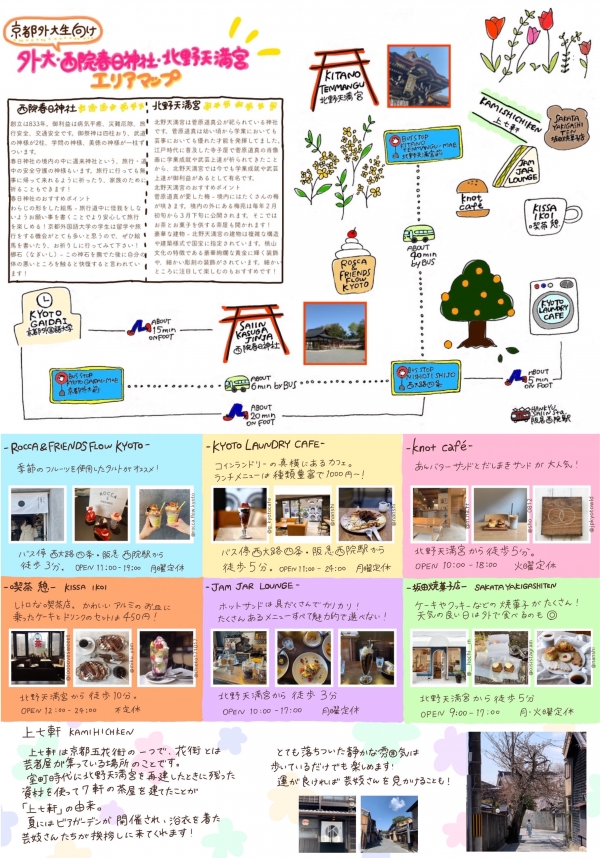 インスタグラムより
-
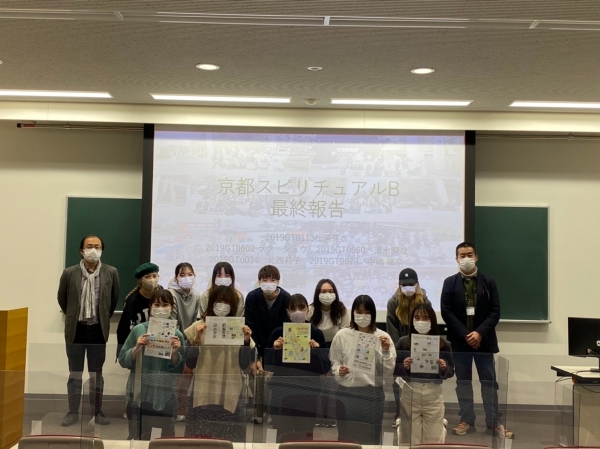 報告会での集合写真
-
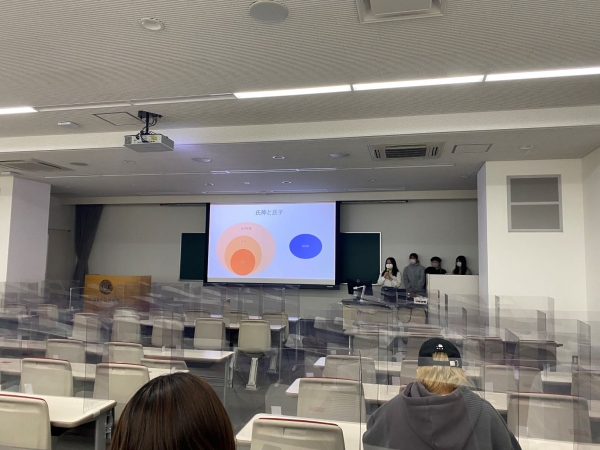 発表の様子
2021/05/14 21:30:00 越前フィールドミュージアム活動参加~2020CEPの活動報告DVDを配布してきました!(CEP越前)
- CEP活動紹介
- 広報隊藤松
みなさん、こんにちは。グローバル観光学科3年次生の藤松桃葉です。3月26日の夕方から28日まで、南先生がフィールドミュージアム活動を行っている越前町の熊谷区に行ってきました。私の他に外国語学部の先輩方お二人が参加されました。私は、昨年度参加したCEP越前の時間以外に熊谷区で活動するのは初めてでした。今回はおもに、熊谷区の中山間地(古熊谷)で有機無農薬の米作りをされている農業法人「田んぼの天使」の井上高宏さんのお手伝いをしました。
27日は、熊谷区の方々と一緒に、大雪で壊れたイノシシ対策のメッシュ柵(格子状の柵)の補修作業や、シカ対策の電気柵の設置を行いました。柵は田んぼを囲むように設置されています。すでに設置されていたイノシシ対策の柵は、シカが飛び越えてしまうそうです。シカの電気柵は、イノシシ用の柵の約20cm上に1本、さらにその約20cm上に1本の計2本をはらなければいけません。足場が悪くて歩くだけでも大変なところもあり、転ばないように気をつけながら作業をしました。獣害問題の話は以前から伺っていましたが、実際に獣害対策をしてみて、大変さを実感しました。しかし、私にとっては初めての経験だったので、楽しく作業ができました。
28日は、籾まきをしました。普通の米作りでは籾まきの段階で、種籾に農薬を施すそうです。無農薬は手間がかかるそうですが、井上さんは農薬を使わない方法をとっておられます。籾まきは、自動で土や籾、水を育苗箱にまいてくれる機械を使って行いました。私たちがお手伝いしたことは、機械に空の育苗箱を乗せること、機械に籾を補充すること、ビニールハウスの中に籾まきが終わった育苗箱を並べることでした。水をたっぷり吸収した土が入った育苗箱は見た目以上に重たくて、足腰が痛くなりましたし、まっすぐに並べて置くのは簡単そうに見えて難しかったです。大変ではありましたが、井上さんの奥さまが手作りのお弁当を用意してくださり、元気が出ました!
なんと、今回行った電気柵設置作業の様子は、井上さんのYouTubeチャンネル「田んぼの天使 農ライフ」にアップされています。井上さんが作業の様子や設置された電気柵を撮影しながら説明されていてわかりやすいですし、豊かな自然に囲まれた古熊谷の田んぼの様子も楽しめる動画です。獣害対策は、田植えや稲刈りと違って私たちが普段見ること、経験することはほとんどありませんが、中山間地域で米作りをするために欠かせない作業です。他にも、井上さんの「農ライフ」を垣間見ることのできる動画がアップされているので、ぜひチェックしてみてください。中山間地域ならではの、米作りの裏側や景色を見ることができて興味深いです。
また、最終日には、昨年度のCEPの活動報告の様子を録画したものを南先生にDVDにしていただいていたので、それをアンケートとともに住民の方にお配りしました。報告会については以前投稿したブログに書いていますので、ぜひご覧ください。アンケートは、私たちが発表した分野で一番面白いと思ったものや、ご意見を書いていただくというものです。住民の方々のご意見、ご感想を読ませていただくのが楽しみです。
今回、昨年12月以来、久しぶりに熊谷の方々と交流できたこと、新たな出会いがあったことがとても嬉しく、充実した3日間になりました。今後も継続的に通って、活動していきたいと思います。
-
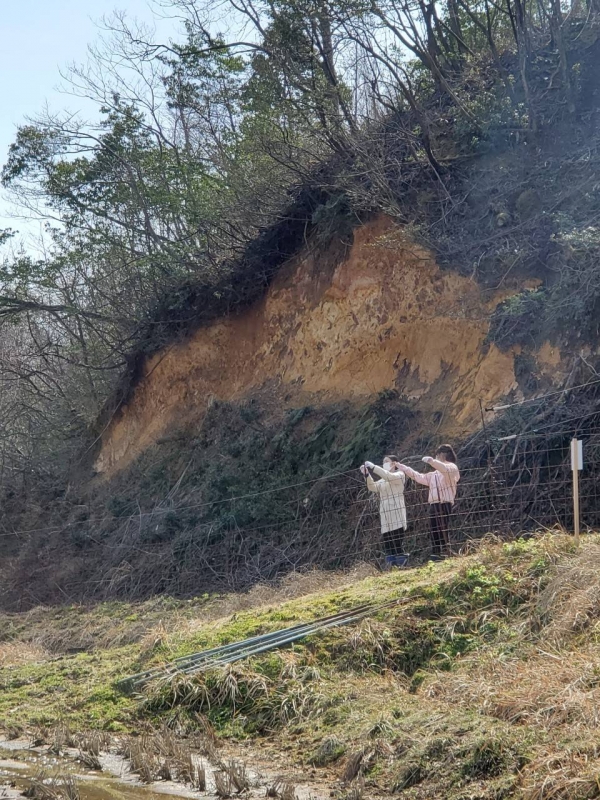 鹿対策の柵を設置している様子
-
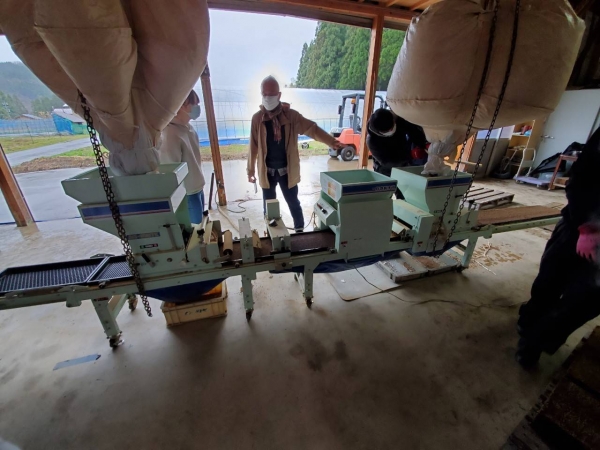 籾まきの機械
-
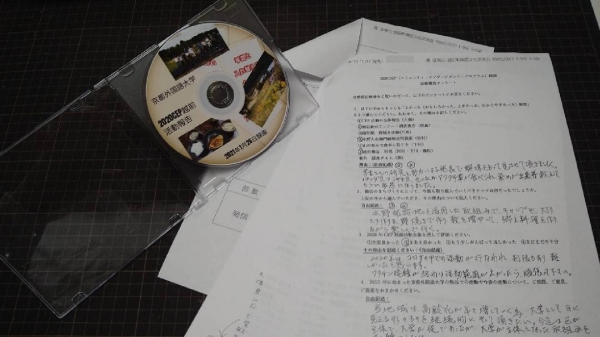 お配りしたDVDとアンケート(まだ拝見できていませんが、回答をいただきました!)
2021/05/06 21:50:00 和歌山アメリカ村での活動報告(CEP和歌山美浜町)
- CEP活動紹介
- 広報隊石橋
こんにちは。グローバル観光学科3年次生の石橋尚子です。政府から緊急事態宣言が発令され、またもやオンライン授業に逆戻りですね。折角のゴールデンウイークもどこも行くことができないのは寂しいです。ともあれ、今年度の授業が始まり、もう少しで1ケ月が経とうとしています。皆さんいかがお過ごしでしょうか。
今回は私が参加したCEP和歌山についてです。度々、学生広報隊のインスタグラムで活動の様子を投稿していたため、そちらと内容が被っていることも多いと思いますがご了承ください。
3月13日から3月27日まで2週間、学生10人で和歌山県美浜町の三尾地区に滞在し、活動を行いました。滞在の最終日に住民の皆さんに調査結果を発表することとなっていたため、インタビューやフィールドの実地調査を通して活動をしていくこととなりました。
研究についてですが、まずは移民・漁業・ゲストハウス・移住の大きなテーマごとに4班に分かれました。そして、チームの中で更に細かくテーマを考えました。例えば、ゲストハウス班の3人はダイヤモンドヘッド、遊心庵のような「古民家を活用したゲストハウスの現状に関する考察」や、Z's Houseのオーナーなどへのインタビューに基づいた「宿泊施設型ゲストハウスの運営と利用に関する考察 」、そしてカナダミュージアムのある野田邸を事例とした「近代洋風建築の保存と再生に関する考察」という個人テーマに沿って研究を行いました。私は移住班で美浜町役場の担当者などにご協力いただいて「美浜町における人口の推移と、県外からの移住状況」について研究しました。
滞在期間の前半1週間はアクティビティや講義の受講、現地の人々との交流が中心で、後半1週間は調査と調査内容のまとめと、プレゼンテーションづくりに励みました。アクティビティでは三尾の文化や自然を学びました。三尾の歴史を教えていただいたり、ビーチコーミングで拾ったシーグラスを用いて海猫屋で雑貨を作ったりと毎日充実した体験をすることができました。海のすぐ近くの町なので、毎日綺麗な海を眺めながら過ごすのは気持ちよかったです。調査では地図を片手に町中を歩き回り、現在と過去の建物の変遷や空き家の状況を調べ、住民の方にインタビューをするなど活動に勤しみました。調べて分かったことやインタビュー内容をまとめてスライドを作るのはかなり苦労しました。
アメリカ村食堂すてぶすとんでの美味しいランチや、ダイヤモンドヘッドで調理してくださった三尾名物の伊勢海老、わざわざご主人と奥様がキッチンカーで隣の御坊市から出張して用意してくださったアルベロの美味しいピザやホットドッグ...。スーパーもコンビニもない場所で食生活も心配しましたが、役場の方が頻繁に自炊の際の買い出しにも連れていってくださったほか、地域の方々のご厚意で食の面でも大変恵まれました。もちろん大変だったこともありましたが、2週間の活動で得たものは大きかったです。このCEPで学んだことを、ゼミの活動や普段の大学生活に活かしていけたらと思います。
Hello everyone! My name is Naoko Ishibashi and I am in my junior year in the Department of Global Tourism. A state of emergency has been declared by the national government and classes will revert to being taught online again. It's sad that we can't go anywhere during Golden Week. It's been about a month since classes started for this school year. I hope everyone is doing well.
This time, I would like to report on the Community Engagement Program (CEP) Wakayama which I joined. I often post about my activities on Instagram, so please understand that the contents may often be covered by what you may have already seen on Instagram.
For two weeks from March 13 to March 27, ten students stayed and studied in the village of Mio, located in Mihama Town, Wakayama Prefecture. One aim of our project was to report our findings to the residents on the last day of our stay, and we were to conduct our activities through interviews and field surveys. Regarding the research, we were first divided into four teams, with each team examining one major theme: immigration, fisheries, guesthouses and migration. Teams were then expected to come up with more detailed issues to study.
For example, three members of the guesthouse group conducted research on the following: the status of guesthouses converted from old private houses, the management and use of accommodation-type guesthouses and lastly the preservation and revitalization of modern Western-style architecture. The issue I focused on was population trends in Mihama Town and immigration from outside the prefecture.
The first half of the week was spent doing activities, attending lectures, and interacting with the people of Mihama, while the second half was spent doing research, summarizing our findings, and making presentations.
We learned about the culture and nature of Mio through various activities. We were able to learn about the history of Mio as well as making items from the sea glass we picked up while beachcombing. Mio is located right by the ocean, so it was nice to spend every day looking out at the beautiful sea. We walked around with a map in hand, studying the changes of buildings and vacant houses from the past and present, and interviewed residents. It was quite difficult to compile what I found out from my research and interviews into slides.
During my time in Mio I experienced both fun and challenging times, but I gained a lot from this two weeks of activities. I would like to apply what I learned in this CEP to my seminar activities and my daily life at KUFS.
-
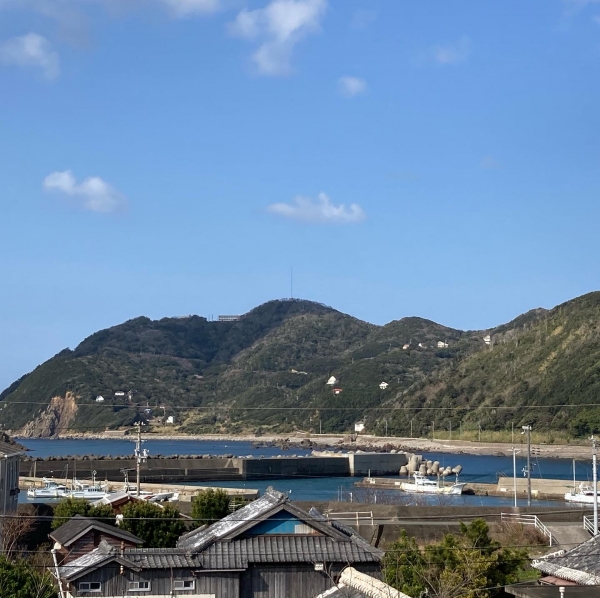 三尾地区の町並み
-
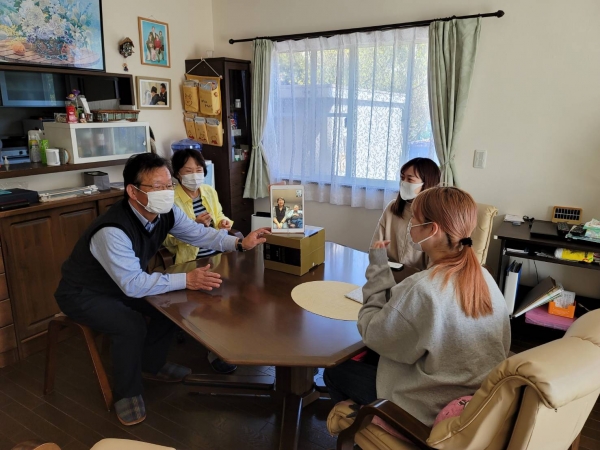 移民研究班のインタビューの様子(カナダにおられるご親戚とオンラインでお話させてもらいました)
-
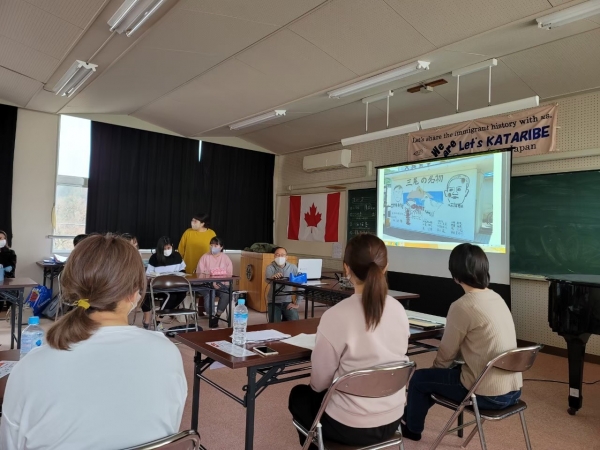 「語り部ジュニア」との交流
2021/04/23 23:50:00 滋賀県大津市でのフィールドワーク(CEP滋賀大津)
- CEP活動紹介
- Student Reporter
皆さん、こんにちは!グローバル観光学科3年次生の上田芽生です。今回は3月8日から1ヶ月間行われた、「コミュニティエンゲージメントプログラム 大津」についてご紹介します。このプログラムの主な流れは
・滋賀県大津市についての事前学習
・ドローン講習
・動画編集講座
・撮影
・動画編集(プロモーションビデオの作成)
・動画の発表
になります。
参加者は10名で3つのグループに分かれて行いました。事前学習は2020年度の秋学期の授業の一環として始まりました。私は滋賀県出身なので、大津市は身近ですが、その他の地域の出身者は、もちろん行ったことはないし滋賀県は辺鄙というイメージしかないようでした(笑)
次に、撮影の際に使用できるドローン操縦の練習が始まりました!コントローラーにスマホを連携させて操縦するのですが、かなり難しかったです… 重量がとても軽いドローンは少しの風にも大きく影響されるため、慎重な操作が必要でした。
たったの二日間でしたが、講師の方をお招きし、動画編集についても勉強しました。音楽とマッチさせたり、トランジションという画面の切り替え方について学びました。
3月17日、ロケハンを行いました。タクシーを準備していただき、撮影予定の地を回りました。移動時間やどのくらいの動画が撮れそうか、などをもう一度確認して周り、翌日の撮影日に備えました。18日いよいよ撮影が始まりました。この日は風がなく琵琶湖沿いでもドローンを飛ばすことができました!撮影も予定通り終わり、10日後の発表に向けて急いで編集を始めました。
プロモーションビデオの発表は大津市で行なわれました。新聞社の方や大津市の観光局の方がたくさん来られました。私たちの作成した動画を褒めてくださり、学生世代はこんな視点で観光するのか!と興味を持っておられました。
たった一ヶ月間のプログラムでしたが、充実した時間になりました。自分たちで現地に出向き、調査し、撮影し、そして動画を作成するというたくさんの工程をやり遂げられたことは自信につながったと思います。大津市は琵琶湖が綺麗に見える市の一つなので、アピール次第でもっと有名な観光地になると思います。これを読んでくださった皆さんも、ぜひ大津を訪れてみてください!
関連ブログのこちらもぜひご覧ください!
Hi! My name is Mei Ueda and I am a third-year student at the Department of Global Tourism. Today, I want to tell you all about my involvement in a fieldwork program called Community Engagement Program Otsu. Here’s a simple outline of the program:
・Learning about Otsu City, Shiga
・Drone lesson
・Editing lesson
・Shooting
・Editing
・Presentation
There were 10 participants on the program, and we divided into 3 groups.
Firstly, we took a class about Otsu City during the fall 2020 semester. I am from Shiga, so Otsu is close to where I am from, but people from other prefectures thought Otsu must be a city located somewhere remote.
Second, we practiced flying a drone! Steering was via a connected smartphone and it was very challenging. The drone is very light, so it is easily affected by the wind.
Next, we learned how to edit videos in just 2 days. The instructor taught us many things, for example how to insert music into a video clip and he also taught us about transitions.
On March 17th, we went location scouting and visited several sites by taxi. We considered our plan and prepared for the day of shooting. On March 18th we started to shoot. It was clear weather and we flew the drone near Lake Biwa. We finished shooting on schedule, and as soon as we got home we started editing.
Our presentations were held at Otsu City and many people came, including journalists and employees working at the Tourism Division at Otsu City Hall. They said they enjoyed our presentations and were interested in our perspective on sightseeing in Otsu.
This program took just a month, but it was a very fulfilling experience. We were able to select shooting locations by ourselves, as well as researching, shooting and editing the final video. Completing this process gives us confidence to be able to do it again. Lake Biwa looks amazing from Otsu and I am sure this city will soon become a famous sightseeing spot.Please visit Otsu!
-
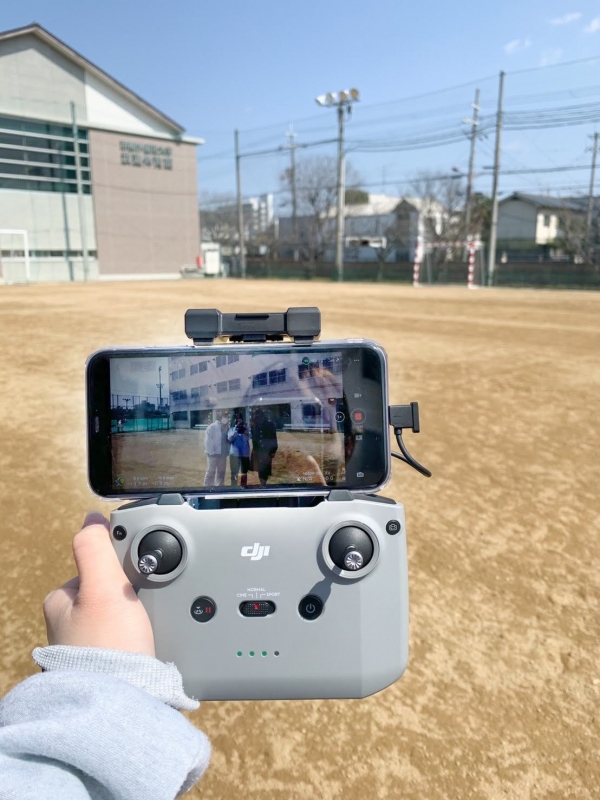 ドローンの練習
-
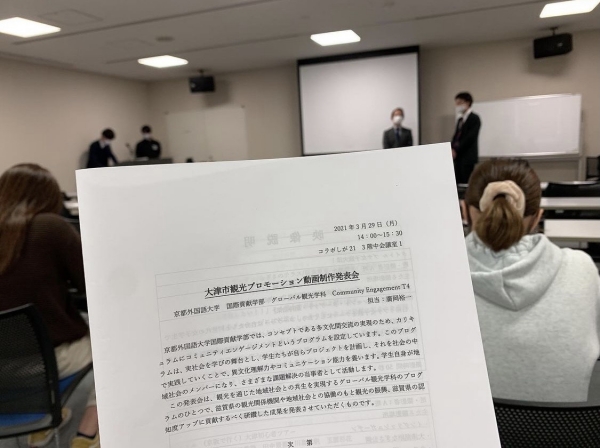 大津市でのプロモーションビデオの発表会
-
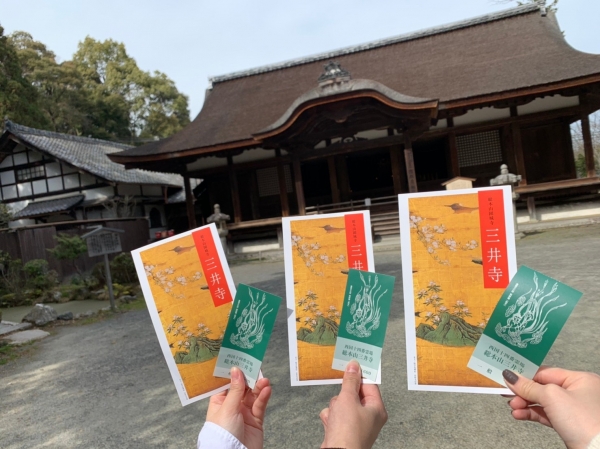 三井寺の入り口で撮った写真


