


2021/12/19 02:10:00 冬の神戸のおすすめ
 地元紹介
 広報隊竹内
こんにちは!グローバル観光学科2年次生の竹内美遥です。12月になりだんだん寒くなってきていますが皆様はどうお過ごしでしょうか?
今回は私の地元である神戸の中で私がぜひ冬に行って見てほしい場所をピックアップして紹介します。まず1つ目は旧外国人居留地近くのイルミネーションです。大丸の隣の並木道のイルミネーションは神戸の街並みをより華やかに彩っていてとても綺麗です。特に雪の日にはより綺麗なのでぜひ雪の日を狙ってみてください!そして例年はこの場所でルミナリエが開催されています。去年と同じく今年も中止になってしまいましたが今年は代わりにロソーネ 街中ミュージアムという街中に光の装飾を設置する行事がおこなわれました。
次に紹介するのは六甲山です。六甲山にはアスレチックを楽しむことのできる施設や冬にはスキーもできます。それにアートやいい景色を楽しむこともでき、インスタ映えする写真を撮りに行くこともできます。六甲山には六甲ガーデンテラスという施設があります。そこには六甲枝垂れという建物があり、外からでも中からでも綺麗な写真が撮れます。そしてここから明石海峡から大阪にまでの眺望を見渡すこともできます。それ以外にも塔やレストラン、お土産屋さんがあり、神戸の特産品などを味わうこともできます。そして私が行った時は昼だったので見ることは出来ませんでしたが夜は四季折々のライトアップもされ昼とは違った美しさを見ることもできます。冬バージョンは12月4日から3月13日の間の土日祝に開催されます。そして神戸の夜景は1000万ドルの夜景と言われており、その夜景を見渡すこともできます。みなさんぜひこの冬は神戸に行ってみてください.
Hello! My name is Miharu Takeuchi and I am a sophomore in the Department of Global Tourism. It is rather cold - how are you guys doing?
Today, I would like to introduce places I would like you to visit during the winter in my hometown of Kobe. First up are the illuminations on the tree-lined road around the Old Foreign Settlement. The illuminations next to Daimaru make the city more gorgeous and very beautiful. It is especially beautiful on a snowy day, so please try to visit when it snows. This is where the Luminarie is usually held every year, however, as was the case last year, this year`s event was cancelled due to the pandemic. So this year, the city held the Rosone City Museum event instead, featuring light decorations set up all over the city.
Next up is Mount Rokko. Rokko has facilities where visitors can enjoy athletic pursuits and skiing in winter. In addition, you can enjoy art, nice scenery, and take Instagram-worthy photos. Today, I would like to introduce art, specifically a facility called Rokko Garden Terrace. Here, there is a building called Rokko Shidare where you can take beautiful pictures from outside or inside. You can also take in the view from the Akashi Kaikyo to Osaka. There is a tower, a restaurant, and a souvenir shop where you can taste special treats from the region. I visited at noon, but at night, you can see a beautiful sight of the city lit up below. There is a light-up event here and during the winter you can see the lights come on during the weekends and on national holidays between December 4 and March 13. This night vista of Kobe is called a ten-million dollar view, so don’t miss it! I hope you'll all make it to Kobe this winter!
-
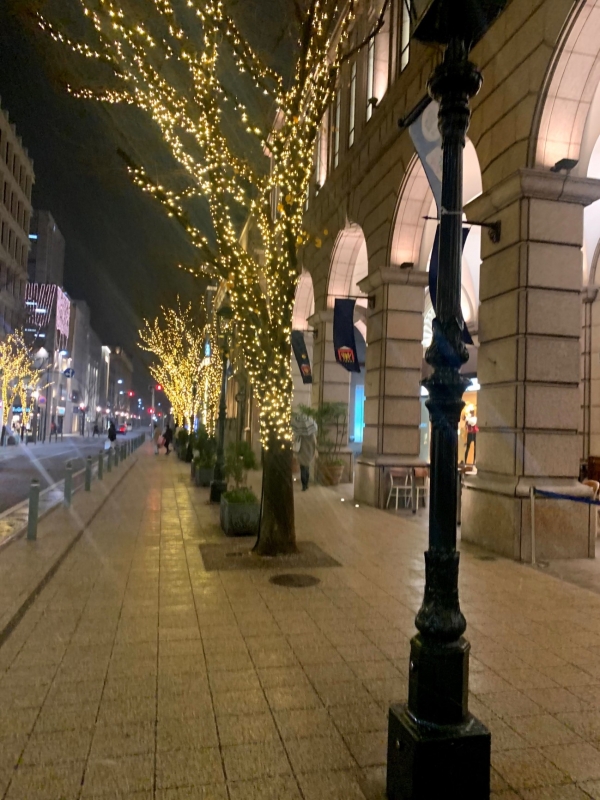 居留地付近の並木道
-
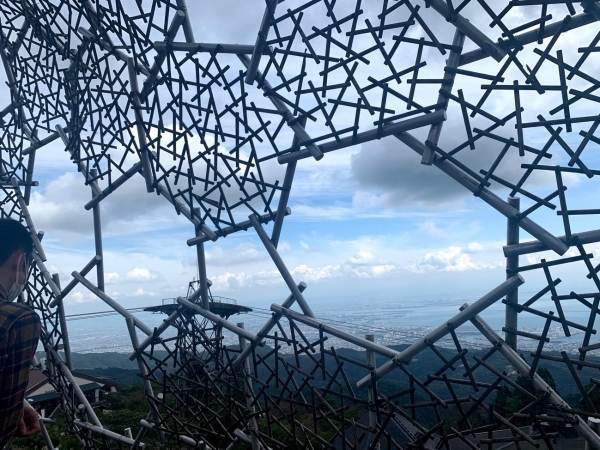 六甲枝垂れと神戸の景色
2021/12/11 08:10:00 京北の伝統産業「北山林業」
- 学外活動
- 広報隊江良
みなさん、こんにちは。グローバル観光学科2年次生の江良みゆきです。突然ですが、みなさんは京都の伝統産業・伝統工芸と言われると、何を想像しますか?現在私は、京都市右京区京北の伝統産業「北山林業 」に関するフィールドワークをしています。「林業」からは伝統産業のイメージを持ちづらいかもしれませんが、北山林業には長い歴史があり、生産される木材は古くから京都の文化財や伝統的な建築物に使用されてきました。今回は、北山林業について紹介していきたいと思います。
京北は、京都市と南丹市の境にある自然豊かな地域で、京都駅からは周山方面へ向かうJRバスに乗車し、約1時間半かけて行くことができます。一帯には、北山杉が生い茂っており、古くから北山杉を扱う林業「北山林業」が伝統産業として栄えていました。
北山林業は主に北山杉 の育林と「北山丸太 」の生産を目的とする林業です。北山丸太とは、皮を剥いだ北山杉の表面を磨き、加工してつくられる丸太で、室町時代の「茶の湯」の流行に伴い、茶室の建築に頻繁に使用されていたことがはじまりだとされています。この丸太には木質がきめ細かく、光沢があり、干割れが生じにくいという特徴があり、現在でも床柱や床の間などの和室建築や文化財、さらには現代・洋風建築にも使用されています。桂離宮 や修学院離宮 、角屋 などの文化財が代表的な建築です。
北山丸太の素材となる北山杉は、職人の手によって植林から数十年かけて、一本一本丁寧に育てられます。とくに「枝うち」という、枝を切り落とすことで幹を真っ直ぐ伸ばし、均一な太さにするための作業は、北山丸太の品質を左右する重要な伝統技法です。また、間伐作業は、森林の維持し、北山林業を継承していくためのためにも大切な役割を果たしています。歴史が深く、職人の思いがこもっている北山林業・北山丸太は、実は京都府と京都市の両方から、「京都府伝統工芸品」(京都府)や「京都市伝統産業品 」(京都市)として認定されています!
しかし現在、和風建築や床柱の需要が激減していることや、京北の人々の林業離れが主な原因となり、森林の手入れが行き届かず、北山林業は弱体化しています。私がフィールドワークを行った、11月中旬は、ちょうど北山丸太の生産時期が始まっていたのですが、床柱用の丸太を生産している事業所は少なかったです。また、機械化が進んでおり、かつては手作業で行われていた、北山杉の皮を剥ぐ作業や丸太を磨く作業は、現在は水圧を利用した機械で行われています。職人の方からは、「観光客に対して実演するときには、今でも手作業ですが、手間がかかるので、人手がない現在は機械に頼っている」という話をお聞きしました。
これまでのフィールドワークで、京北に住む多くの方々から北山林業への愛着が感じられました。これからも、フィールドワークを継続して、地域の人たちと一緒に北山林業の将来について考えて行ければいいなと思っています。
今回、京北で北山林業に携わる藤中芳博様、そして、北山丸太を生産している田中菊商店様にご協力いただき、インタビュー及び写真撮影をさせていただきました。お時間とご協力、ありがとうございました。
Hello! My name is Miyuki Era and I am a sophomore in the Department of Global Tourism. Let’s start this blog post with a question: what do you imagine when you hear the phrase “traditional industries and crafts of Kyoto?” At present, I am undertaking fieldwork to research traditional industries in Keihoku, Ukyo ward, Kyoto City. My focus is on Kitayama forestry. It may be a little difficult to imagine a tradition based on the forestry industry. However, forestry in Kitayama has a very long history and its wood has been used for creating cultural assets and traditional constructions for a long time. So today, I’d like to tell you about Kitayama and its forestry industry.
Keihoku is sandwiched between the cities of Kyoto and Nantan. You can get there by JR bus going in the direction of Shuzan and it takes about 1 hour. Around the area you can see Kitayama cedars growing thickly and this is why Kitayama forestry has prospered.
The main work of those who engage in forestry in this region is raising Kitayama cedar and producing Kitayama maruta. Kitayama maruta are the logs made from Kitayama cedar, with the bark stripped off and the surface is polished. It is said that Kiyatama Maruta was often used for construction of Japanese chashitsu-rooms for tea ceremony-in Muromachi period. Today, Kitayama Maruta is used not only as the decorative alcove post-tokonoma-in a Japanese traditional room, but also for modern/western-style construction. Kastura Rikyu, Shugakuin Rikyu, and sumiya-zukuri are representative of traditional constructions built using Kitayama maruta.
Over many years, each Kitayama cedar is trimmed (pollared) thoroughly by the shokunin who engage in Kitayama forestry. Especially, cutting branches and thinning out the cedar are important work to maintain the quality of Kitayama cedar and hand down this traditional industry. This traditional industry is necessary for those who live in Keihoku and their importance has been officially recognized by local government as Kyoto Prefecture Traditional Crafts and Kyoto City Traditional Industrial Products.
However, due to the decreases both in the demand for Japanese traditional-style construction and the number of people who engage in the industry, Kitayama forestry is in danger of declining. In the middle of November, when I did my field work and research, the season had begun, but there were only a few companies outputting Kitayama maruta. In addition, at present, mechanization of traditional techniques is being promoted and the work of stripping off the bark and polishing the surface now depends on machines that run on water pressure.
From my previous field work experience, I found that people who lived in Keihoku love Kitayama forestry. From now on, I’d like to continue my research and consider the future of Kitayama forestry together with the local community.
For this blog, I interviewed Yoshihiro Fujinaka, a shokunin who trims/pollards Kitayama cedar, and the staff at Tanakakiku Shoten. I would like to thank them for their time and cooperation.
-
 並べて天日干ししている北山丸太(撮影協力:田中菊商店様)
-
 枝うちをして真っ直ぐ成長している北山杉
-
 水圧で皮を剥いでいる作業(撮影協力:田中菊商店様)
2021/12/08 05:00:00 PCCカンボジアオンライン交流会
- 学生生活
- 広報隊倉谷
こんにちは!グローバル観光学科2年次生の倉谷歩佳です。紅葉は見ごろを終えましたが、京都の神社仏閣を中心としたエリアは、観光客でにぎわっています。冬の寒さが増してゆく日々ですが、外に出て冬の京都観光を楽しみたいです。仁和寺や嵐山、二条城は大学から比較的近いので学校帰りの散策にもぴったりですよね。
さて、今回は私が所属しているサークル、『PCC(Picture books for Cambodian Children)』が11月20日に行った『カンボジアオンライン交流会』について書いていきます。まず初めに、PCCの活動について紹介します。カンボジアの子供たちのために、教育に役立つストーリーの絵本を日本語・英語・クメール語の3ヵ国語入りで作り、現地の子供たちに届けて読み聞かせをすることを中心にボランティア活動をしています。今年はコロナウイルスの影響で、カンボジアのリトルエンジェル孤児院さんとオンラインで交流会を開催しました。
今回作成した絵本の題名は、『おかずたちのにじいろのたび』。絵本を通して、日本のお弁当の文化を楽しんでもらいたいと考え、まげわっぱ(木製のお弁当箱)や、たまごやき、たこさんウインナーなどの可愛いキャラクターが登場します。そして、私たちがこの絵本に込めた思いは、『思いやりと助け合い』の大切さ。おかずのキャラクターたちが繰り広げる感動のストーリーです。最後のページには、おかずのキャラクターのシールで遊べる付録も作成しました。
夏休み前から絵本作りに取り掛かり、絵本のみならず交流会を盛り上げるためのクイズ企画や質問コーナーの計画もし、本番に向けて着実に準備を重ねてきました!ついに当日!「ជម្រាបសួរ! សួស្តី! (チョムリアップ スォ スォ スダイ:初めまして、こんにちは!)」から始まった交流会。学校紹介では、カンボジアの孤児院で作られている伝統工芸品について教えていただきました。細かい技法と美しい出来栄えに思わず歓声があがりました。クイズ企画では琴(伝統的な楽器)について紹介し、絵描き歌に合わせて一緒にドラえもんを描くなど日本の伝統文化からポップカルチャーまで共有することができました。そして、現地の子どもたちに絵本が手渡され、読み聞かせがスタート!みんな絵本に夢中な姿を見てとても嬉しかったです。私たちは日本語で読み聞かせをして、それを現地の先生にクメール語へ訳してもらうという流れで進めました。意味は難しくても生の日本語やクメール語を通してお互いの文化に少しでも親近感を抱けたのではないかと感じています。交流会の最後には、サプライズで子どもたちから歌のプレゼントが!予期せぬ心温まるプレゼントに感動し、同時にこの活動のやりがいを感じました。
今回のオンライン交流会は、お互いの学びの機会に繋がりました。オンラインでも、言語が違っても、相手の文化を理解し、積極的にコミュニケーションを図ることで心から通じ合った交流会になりました。私たちが子どもたちに「やってあげる」ではなく、「お互いに学び合い、支え合う」ことを大切にできたこの機会。一日でも早くお互いが安心して国境を越えて直接交流日が来ることを願っています!最後に皆さんにクメール語で「ありがとう」をご紹介!「អរគុណ (オークン)」です。それでは皆さん、記事を読んでくださり、អរគុណ!PCCインスタグラムもよかったらチェックしてみてください♪
*表記訂正のお知らせとお詫び(2023.10.26)
上記文面に誤表記がございました。お詫び申し上げますとともに、以下のとおり謹んで訂正をさせていただきます。
訂正前:寺社仏閣
訂正後:神社仏閣
Hello, everyone! My name is Ayuka Kuratani, and I am in my sophomore year in the Department of Global Tourism. Although it’s the time of year that the leaves fall down, Kyoto is alive with tourists in and around the shrines and Buddhist temples. I enjoy strolling around the university after school, for example Ninna-ji Temple, the Arashiyama area, and Nijo Castle.
My blog today is about the Cambodia Online Exchange Meeting produced by PCC, a volunteer circle at KUFS. This event is held on November 20th. First, I want to introduce the PCC. -We make books to help with the education of Cambodian children in three languages: Japanese, English, and Khmer. -After that, we take these books and read them to the children. This year, because of the pandemic, we held the event online and we are able to participate in the reading exchange meeting with the Little Angel Orphanage and the Khmer Art Center.
The title we produced is called Okazutachi no Nijiiro no Tabi (“The Rainbow Journey of Side Dishes)”. -We wanted the children to enjoy Japanese “obento culture” -through these books, featuring many pretty characters such as magewappa (bentwood lunch boxes). Tamagoyaki (a rolled omelet) and a red wiener that is cut to resemble octopus appear in the story. There is a special message in this story: the importance of “kindness and cooperation”. It is a really emotional story. On the last page, there is an appendix where you can play with stickers of these characters.
We started working on the picture book before the summer vacation, planning not only the picture book but also the quiz and question corner to make the exchange event more exciting, and steadily making preparation for the actual event!
Finally, it’s the day of the meeting! -The event started with a greeting in Khmer – “Chomuriappu swo swo sudai. (Hello nice to meet you). During the introduction to the school, we learned about the traditional handicrafts made at the orphanage in Cambodia. The detailed techniques and beautiful workmanship drew cheers from the audience. In the quiz session, we introduced the Koto (a traditional musical instrument), and the children drew Doraemon together to the accompaniment of an illustrated song, allowing us to share everything from traditional Japanese culture to pop culture. Then, picture books were handed to the local children and the storytelling began! I was very happy to see how absorbed they were in the picture book. We read the book to the children in Japanese, and then the local teacher translated it into Khmer for us. At the end of the party, the children gave us a surprise gift of a song! I was moved by this unexpected and heartwarming gift, and at the same time, I felt that this activity was worthwhile.
This online exchange event led to an opportunity for mutual learning. Even though we spoke different languages online, we were able to truly communicate with each other by understanding each other's culture and actively communicating with each other. This was an opportunity for us to learn from each other and support each other, rather than just doing it for the children. I hope that the day of direct exchange across borders will come sooner rather than later, when we can both feel at ease! Last but not least, I want to introduce how to say “Thank you” in Khmer: “អរគុណ (o-kunn)”. So, អរគុណ for reading my blog today!
Please check out our Instagram!
-
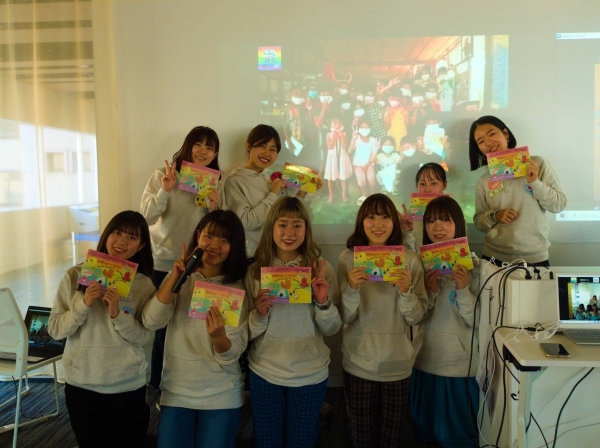 カンボジアの子どもたちと一緒に
-
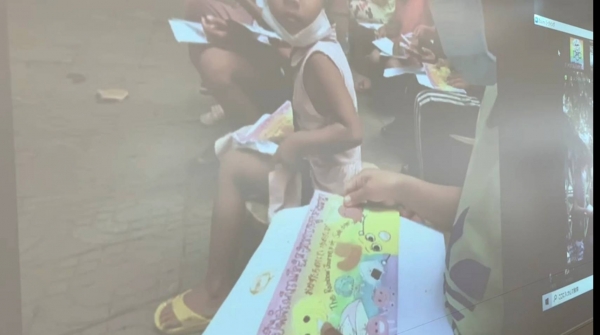 絵本が子どもたちに届きました!
-
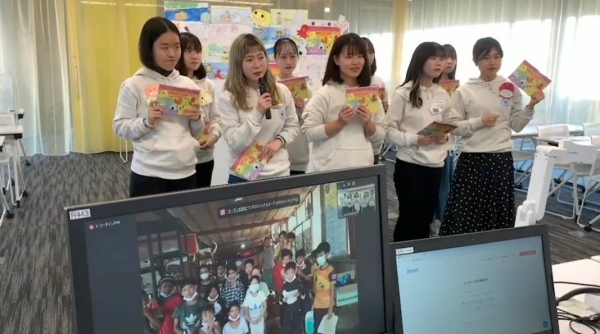 交流会の様子
2021/12/07 00:40:00 京都の帽子屋
- 学外活動
- 広報隊池田
みなさんこんにちは!グローバル観光学科2年次生の池田興亜です。この度、2021年12月10日に京都河原町O P A裏の裏寺通りにて「京都の帽子屋F A B」を新しくオープンさせていただくことになりました。私が店長を努めさせていただきます。京都外国語大学で英語・観光業を学び、京都という外国人が多く訪れる地で教わったことをフィードバックすることができるいい機会だと思っております。
今回、1997年より帽子の卸売業をやってきました(有)W O R D Sの新たな挑戦です。また、一から店舗の準備・内装準備を行うことになり非常にワクワクしております。さて、今回オープンさせていただく帽子屋さんのご紹介をさせていただきます。ショップではオリジナル企画商品を販売させていただきます。また、販売する帽子は直接訪問し、自らの目で生産ライン、従業員、商品クオリティを確認しています。信用・信頼のおける工場に生産をお願いしている自慢の品です。お値段以上のクオリティの帽子をお客様の手にお届けすることを目指し商品づくりを行っております。
他にも学生の方々の活動等を発信することができる場である「特設ポップアップスペース」を用意させていただいております。第一回は芸術大学生による写真展を行う予定です。何か発信をしたいみなさん是非お声がけください!
遠方でお越しになるのが難しい方はこちらで商品をご覧ください!
流行りのバケットハットハンチング・フィッシャーマンキャップをはじめとし様々な帽子をお届けいたします。あなたにピッタリの帽子が見つかるはず!!
前記の芸大生に撮っていただいたかっこいい写真もアップしております!
→@words_hats
ポップアップで展示等を希望される方お気軽にご連絡ください!
→@koa_pecora_
次回、オープンまでの準備の様子・活動-風景などをお伝えしたいと思います。第二弾の投稿をお持ちください!!


2021/12/01 01:10:00 CEP美浜町活動報告
- CEP活動紹介
- 広報隊太田
こんにちは!グローバル観光学科2年次生の太田楓華です。今回は和歌山県美浜町でのCEPについて発信したいと思います。和歌山県美浜町CEPでは、環境班、起業班、ガイド班、ミュージアム班に分かれて調査しています。私が所属している環境班では、海洋プラスチックなどの海洋問題について調査し大学生にプラスチック海洋問題を知ってもらう事を目的としています。
今回のCEPでは、3日間の調査を行いました。まず1日目は最初に日ノ岬のカナダ資料館を訪れました。普段は閉鎖されている場所ですが、特別に開放してもらい見学することができました。ここでは、私たちが滞在した美浜町三尾のカナダ移民の歴史についての資料や写真、展示物が多数あり、事前学習で学んだ知識をより深めることができました。次に紀伊日ノ御埼灯台の一般公開に行きました。一般公開は、この3代目の灯台が設立されてから、今回で3度目なので、とても貴重な体験をさせていただきました。語り部ジュニアという地元の地理や歴史を英語で学んでいる中高生たちから英語でガイドをしていただき、地域との交流も深めることができました。最後は地域の方と房州音頭を踊りました。房州音頭は三尾地区に伝わる盆踊りです。踊り方を教えてもらい、みんなで声を出して円になって踊りました。初めは難しいと感じましたが、地域の方と何度も踊ることで段々と踊れるようになりました。
2日目は、それぞれの班ごとに分かれて活動をしました。環境班は、午前中に4つの海岸を周り、 漂流物やシーグラスを拾い集めました。午後からは、地域連携事業者の海猫屋様に協力していただき、シーグラスボールペンを作りました。その後、美浜町商工会のご協力を得て12月13日の週に大学で予定しているワークショップの練習をしました。ゲストハウスダイヤモンドヘッド様と起業班は、町役場の隣にある商工会でお話を聞き、午後からは御坊市にある老舗醤油屋の堀川野村屋様にインタビューをしに行きました。ガイド班とミュージアム班では、日系カナダ人のルーツを探るため、語り部ジュニア講師の方々と三尾の町を歩いたり、カナダに親戚がおられる住民の方に聞き取りをしたりして調査を行いました。3日目は、松永渡船様に小型船に乗せてもらいクルージングをしました。1時間ほどのクルージングで、美浜町の周りの景色を海から見ました。また海猫島にも上陸させていただき、島の上からの景色も見られました。ミュージアム班は、帰りのバスを途中下車して、カナダミュージアムの館長も一緒に国立民族学博物館にてヒアリングをおこないました。
この3日間で私が感じたことは地域の方々の温かさです。それぞれの班に協力してくださる方々がおり、私たちが気になること、やってみたいことを親身になって応えてくださいました。そのおかげでとても有意義に調査を進めることができ、本当に感謝しています。また美味しい夕食を用意していただき、地元の沢山の方が私たちのお話を聞いてくださいました。滞在した三尾は小さなコミュニティだからこそ、人と人との繋がりがとても濃く、魅力的な所だと感じました。また、2月に美浜町を再び訪れ、地元の方々に最終発表を行う予定です。協力してくださった方々へ恥じない発表が出来るようにこれからも頑張っていきたいと思います。
最後に、環境班が計画している学内展示およびワークショップのご案内です。海猫屋様に協力していただき、美浜町の海岸で拾った海洋プラスチックとシーグラスを入れたボールペンを作るワークショップ及び海洋問題に関する展示を京都外国語大学で行います。 ワークショップは12月13日からの週のお昼休みに京都外大生を対象に予約制で行うので、お時間が合う方は是非ご予約をお願い致します!【予約はこちらから、お願いします!】
Hello! I'm Fuka Ota, a second-year student in the Department of Global Tourism. This time, I would like to tell you about my CEP destination, Mihama Town in Wakayama Prefecture. For this CEP, I undertook three days of research. We are planning to visit Mihama again in February and give a final presentation on our research to the local community.
At the CEP in Mihama Town, we divided into four groups: the Environment Group, the Entrepreneur Group, the Guide Group, and the Museum Group. We are all investigating different themes. The Environmental Group, to which I belong, is conducting research on marine issues such as ocean plastic. The goal of the Environmental Group is to make university students aware of plastic ocean issues. Therefore, with the help of Ms. Ando of Umineko-ya, we plan to hold a workshop to use ballpoint pens filled with ocean plastic and sea glass, in addition to hosting an exhibition on ocean issues at Kyoto University of Foreign Studies. The workshop will be held at the university during the lunch break from December 13 to 16, so if you can make it, please make a reservation from here. Reservations are available only for KUFS students.
Next, I would like to introduce our activities during the three days we spent in Mihama Town. For our first activity, we visited the Canada Resource Center. A place that is usually closed to the public, but was kindly made available to us for a special visit. For our second activity, we went to Hinomisaki Lighthouse, which was open to the public for only the third time since it was built, so it was a very valuable experience for us. For our third activity, we danced the Boshu Ondo with some members of the local community. They kindly taught us the steps, and then we danced in a circle, shouting out to each other. I felt it was difficult at first, but after dancing with the local people many times, I gradually learned the moves.
On our second day, we split up into separate groups for different activities. In the morning, the Environment group went around the four beaches and picked up driftwood and sea glass. In the afternoon, we made sea glass ballpoint pens with the help of Umineko-ya. Afterwards, we gave a lecture on how to make sea glass pens to those who had never made them before, and practiced for a workshop that we plan to hold at the university. The Entrepreneur Group went to interview a soy sauce maker called Horikawa Nomuraya. The Guide Group and Museum Group conducted research on the roots of Japanese Canadians by walking around the town of Mio and interviewing people with that background knowledge. On our third day, we went cruising. During the hour-long cruise, we saw the Hinomisaki Lighthouse, Umineko Island, and the surrounding scenery of the town from the sea. We also landed on Umineko Island, where we were able to view the scenery from the highest point on the island.
What I felt over the past three days was the warmth of the local Mio community in Mihama. In each group, there were people who cooperated with us, and they kindly responded to our concerns and what we wanted to try. Thanks to them, we were able to proceed with our research in a very meaningful way, for which we are truly grateful. We were also served a delicious dinner and many local people listened to our stories. I would like to do my best so that I can deliver a good final presentation in February to the community of Mio, Mihama Town.
-
 日ノ御埼灯台の上から
-
 海猫島に上陸!
-
 シーグラスボールペン


