


学生生活
2021/07/02 21:50:00 風鈴をアレンジしよう! Let's make a one-of-a-kind wind chime!
 学生生活
 広報隊下川
こんにちは!グローバル観光学科3年次生の下川紗良です。少しずつ暑くなってきましたね!京都はこれからもっと暑くなるので、登下校時はしっかりと水分補給をして熱中症に気をつけてくださいね!
今回は、風鈴を自宅にあるものでアレンジするアイデアを紹介していきたいと思います。小さい小物を自分好みの柄やデザインにするとテンションが上がると思います!でもDIYはちょっとハードルが高い…。そのため、手軽に可愛い季節物を作れないか試行錯誤して、風鈴のアレンジを思いつきました。
風鈴を含めアレンジに使用する材料は、百円均一ショップなどに置いていますので、休日やオンライン授業の合間に作ってみてはいかがでしょうか。
*材料・道具*(写真1参照)
風鈴(絵柄のないもの・または除光液で絵柄を落としたもの)
お好みの柄のマスキングテープ1~2種類やシールなど風鈴に貼りたいもの
イヤリング1セット
はさみやカッターナイフ
*作り方*(写真2参照)
1. 風鈴の短冊を外します。
2. イヤリングを短冊のついていた紐に括り付けます。
(その際、イヤリング同士の高さを少しずらしておくのもおしゃれだと思います!)
3. マスキングテープを風鈴のガラスの部分に巻き付けます。
(大きさの違うマスキングテープを巻くとさらに可愛い!・光を通すシールでステンドグラス風にも!)
完成した風鈴は日光に当ててみたり、暗くした部屋で灯りを入れてみたりするのも違った雰囲気があって面白いと思います!よりクオリティを追求するならば、タイル風のシールを敷き詰めてステンドグラス感を強くする、マスキングテープの模様の部分をカッターでくり抜くと幻想的な灯りになると思います。(写真3参照)イヤリングは紐で結ぶだけなので、その日の気分で変えることができます。
風鈴を最初から組み立てるのはとても大変ですが、既存のものをアレンジするだけなので、音がならない心配も、専門的な工具や知識も必要ありません。風鈴の音色が、オンライン授業や対面授業で疲れた心を癒してくれるはずです!本格的な夏を迎える前に、ぜひあなたのとっておきの風鈴を作ってみてください!
Hello! I'm Sara Shimokawa, a third-year student in the Department of Global Tourism. It's getting hotter little by little, and it's only going to get hotter in Kyoto, so please make sure you drink plenty of water on your way to and from school - and be careful of heat stroke!
Here I’m going to introduce some ideas for making a one-of-a-kind wind chime with items you may already have at home. I went through a process of trial and error to see if I could make something cute and seasonal, and what I came up with was this unique, personalized wind chime. These materials used can be found at any hundred-yen store.
What you’ll need: materials and tools (see photo 1)
- A wind chime (without patterns or with patterns removed with a light removing solution)
- 1 or 2 kinds of masking tape or stickers of your favorite pattern to put on the wind chime
- 1 set of earrings
- A pair of scissors or a cutter knife
How to accessorize your wind chime (see photo 2)
1. Remove the strips from the wind chime.
2. Tie the earrings to the string attached to the strip (I think it looks good to have the earrings at slightly different heights)
3. Wrap masking tape around the glass part of the wind chime (It would be even cuter if you wrap masking tape of different sizes! You can also use stickers that let light through to create a stained-glass look!)
The finished wind chimes look great in sunlight, or you can even light them up in a darkened room to create a different atmosphere. If you want a higher quality result, you can use tile-like stickers to make it look more like stained glass or use a cutter to cut out patterns on the masking tape. (See photo 3.) You can swap the earrings out according to your mood.
The sound of the wind chimes should soothe your tired mind after all those online and face-to-face classes! Before the full-blown summer heat arrives, please try making your own unique/personalized wind chime!
-
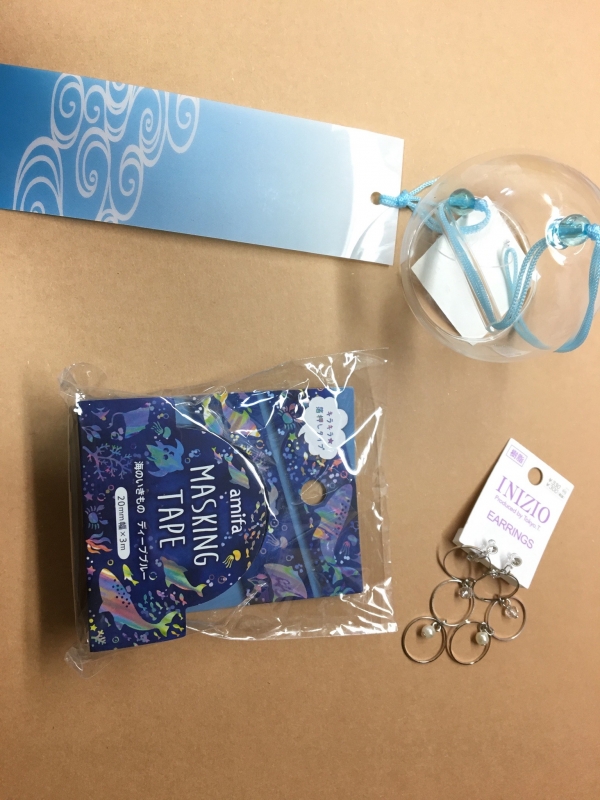 写真1:材料一式
-
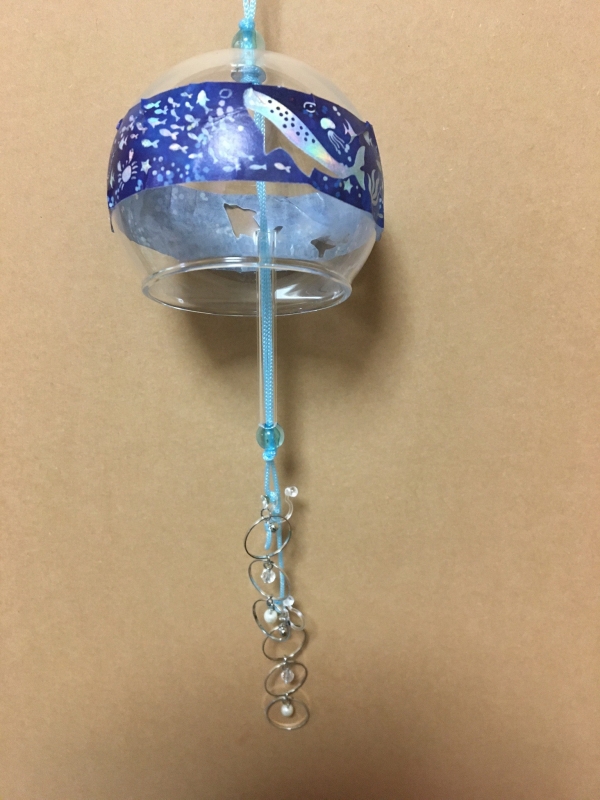 写真2:風鈴完成
-
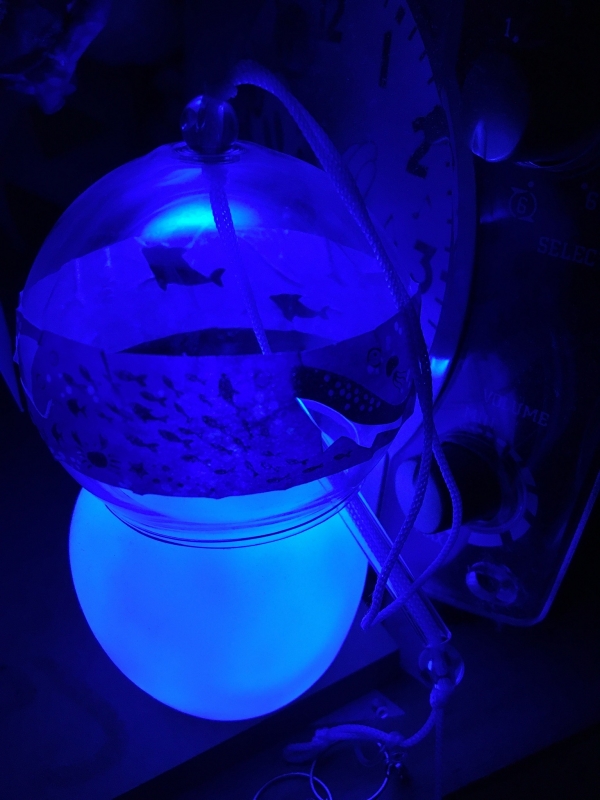 写真3:風鈴ライトアップ
2021/06/26 09:00:00 フラダンス部「Liko Lehua」での活動
- 学生生活
- 広報隊松浦
こんにちは!グローバル観光学科三1年次生の松浦芽衣です。今回は私が所属しているフラダンス部「Liko Lehua」の紹介です。現在、「Liko Lehua」には私を含め5名のGT生が所属しています。今日は、部長のスペイン語学科3年次生の松村洋美さんにインタビューをしました!インタビューでは、「Liko Lehua」について、大会に向けての意気込みを伺いました。こちらがインタビューで得られた内容を私がまとめたものです。
はじめに「Liko Lehua」とは、「レフアのつぼみ」と言う意味で、ハワイ語で「Liko」がつぼみ、「Lehua」がオヒアの木に咲く花の名前を意味します。フラダンス部は今年から部活に昇格しました。昨年から、ZOOMレッスンを行っており、オンラインで皆の踊りを確認して、互いにチェックしアドバイスをしています。そのおかげで、コロナ渦で直接会えない中でも一人一人のことをよく見ることが出来、コミュニケーションもとれています。
私たちは、フラダンスをただ踊るだけではなく、曲の背景やハワイ文化や歴史も学習した上で、曲を通して伝えたいことを踊りを観ている人に伝えるために踊っています。今年の八月にあるカレッジフラコンペティションに向け、例年よりも練習量を増やし、より一層曲の勉強に励んでいます。目標は大会優勝です!
今回フラダンス部「Liko Lehua」部長の松村さんにインタビューをして、私も大会に向けて悔いの残らないように全員で心を一つにやりきりたいと感じました。皆様、是非京都外大のフラダンス部「Liko Lehua」の応援をよろしくお願いいたします!
Hello! I'm Mei Matsuura and I am a third-year student in the Department of Global Tourism. Here I want to showcase my interview with Ms. Hiromi Matsumura, a third-year student majoring in Spanish, who is the leader of the Liko Lehua hula dance club that I am also a member of! Currently, there are five GT student members including myself. In the interview, I asked her about Liko Lehua and her enthusiasm for competition. Please enjoy the interview with Matsumura-san, which is summarized here:
First of all, Liko Lehua means the bud of the Lehua, where liko is the Hawaiian word for bud and lehua is the name of the flower that blooms on the Ohia tree. Our hula dance club was promoted to be an official club activity this year. Since last year, we have been doing ZOOM lessons, where we can check everyone's form online and give advice. Thanks to this, even though we can't see each other in person because of the pandemic, we are able to see and communicate with each other very well.
We don't just dance hula, we learn the background of each song, about Hawaiian culture and history, and then we dance to express the story we want to tell through song and dance to the audience. In preparation for the Collegiate Hula Competition in August this year, we are practicing more than ever and studying the songs with real focus. Our goal is to win the competition!
Thanks to this interview with Matsumura-san, I feel that we all want to pull together as one so that we will not have any regrets after the competition. My message to you all is: please support Liko Lehua!
-
 2019年11月の学祭にて Performing at the KUFS campus festival
-
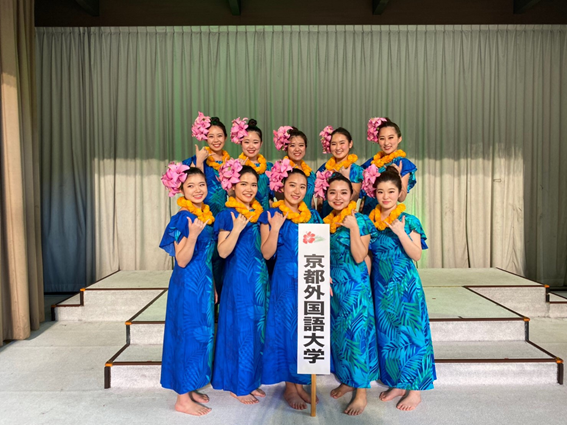 2020年2月に行われた全国フラフェスティバルにて Representing KUFS at the national hula festival
-
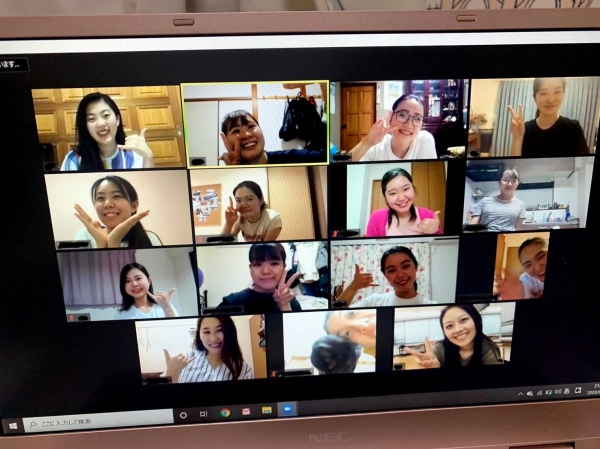 オンラインで活動している最近の様子
2021/06/18 22:20:00 就活レポート:リクナビの仕事万博に参加してみて
- 学生生活
- 広報隊横田
こんにちは!グローバル観光学科三年次生の横田藍子です。2週連続ですが、今回は6月6日に開催された、「リクナビ仕事万博2023」のイベントに参加してきました。こちらも感染対策を行ったうえで参加致しましたので、その様子をレポートしたいと思います。
私は今年三年生になり、いよいよ就職活動に向けて、自己分析やインターンシップなどに焦点を当て、これからの自分について考えていかなければならないと思うようになりました。しかし、私は将来について明確なビジョンがあるわけではありません。そこでキャリアセンターがお昼休みに主催している講座や、オンラインで開かれる企業研究イベントなどに参加し、今月6日には実際にインテックス大阪で開かれたリクナビのイベントに足を運びました。そこにはたくさんの企業と、これから就活をしていく同年代の学生たちがいました。企業ごとにブースに分かれており、聞いたことのある企業から全く知らなかった企業まで見物することができました。
私が特に印象に残っているのは、京都の八尾一グループ、「株式会社セントラルフルーツ」という企業です。こちらの会社は「農業」「流通」「食」の事業を通して、生産者とお客様をつなぎ、良い商品を届けるという企業理念が軸となっています。本社が京都にあり、「京都八百一本館」という施設が三条烏丸周辺に建てられています。食品の販売やレストランだけでなく、なんと農場まで設置されています。京都の中心地にこのような企業があることを初めて知り、参加してみて、この企業をもっと知りたいと思いました。
今回このイベントに参加して、たくさんの企業を知ることができたと同時に、少し焦りも感じました。周りの学生はもっと積極的に活動しているのに、自分は大きな目標もなく不安も感じました。しかし、自己分析をし、自分が興味のない企業のインターンや仕事体験をしてみることで、自分が知らなかった自分に合う仕事を見つけていくことができるかもしれないとも思いました。まずは調べてみること、オンラインのイベントもたくさんあるので、それに参加してみることも大切だと思いました。
Hello! I’m Aiko Yokota. I belong to the Department of Global Tourism, part of the Faculty of Global Engagement as a student in my junior year. For two consecutive weeks, I took part in an event called “Recruit Navi Work Expo 2023”. As part of the event, a job fair was held on June 6th and I attended the job fair having first taken the necessary steps to prevent infection. Here is my report of the event.
I became a junior this year and I realized I need to be focused about self-analysis as well as trying to secure an internship. In addition, I started to think that I must consider my future. However, I don’t have a definite vision just yet. Therefore, I attended some of the lectures presided over by the Career Center at lunch as well as some of the online events related to corporations.
I attended the Recruit Navi event at Intex Osaka on June 6th. There were many corporations and students of my generation job hunting. Inside the venue, each section was divided by corporation, and I was able to glean a lot of information that I had no previous inkling of.
Central Fruits Co., Ltd., part of the Yaoichi Group from Kyoto, left an impression on me. This company connects productors and customers through the businesses of agriculture, distribution and food. This company’s head office is in Kyoto and their flagship store “Kyoto Yaoichi Honkan” is located in the area around the Sanjo-Karasuma. There they not only sell foods, but there is also a couple of restaurants and a rooftop garden where they grow produce. This was the first time for me to discover this enterprise in the center of Kyoto and I would like to find out more.
While I was able to access a lot of information about various corporations at the event, I also felt a little impatient. Whereas the students around me seem more positive, I feel anxious because I don’t have a clear goal. However, if I work on my self-analysis and apply for internships, or if I’m able to secure work experience placements at some corporations, I think that I may be able to find a job that suits me. I will keep on looking and searching - there are a lot of online events so it is important to take part in as many as possible!
参照ウェブサイト:
八百一グループ https://kyoto-yaoichi.co.jp/
京都八百一本館 https://kyotoyaoichihonkan.com/

2021/06/11 18:20:00 伏見稲荷大社の山頂まで
- 学生生活
- 広報隊横田
こんにちは!グローバル観光学科3年次生の横田藍子です。みなさん、伏見稲荷大社に行ったことはありますか?鳥居が何基も並んでおり、とてもスピリチュアル的な空間ですよね。そんな伏見稲荷大社の鳥居はこの稲荷山の山頂まで続いています。そこで今回私は、マスクをつけながらにはなりますが、友達と一緒に伏見稲荷大社の山頂まで登ってきたので、その様子をレポートしたいと思います。
みなさんのご近所に、「お稲荷さん」と言われている神社はありますでしょうか。全国に「お稲荷さん」は30,000社あると言われており、その総本宮が伏見稲荷大社なのです。伏見稲荷大社の御祭神である稲荷大神様が稲荷山に御鎮座されたのは、奈良時代である711年。2011年には御鎮座1300年を迎えました。この歴史ある神社には山にたくさんの鳥居が建てられています。現在は約1万基の鳥居が並んで立っているそうです。なぜ鳥居が建てられているかと言うと、願い事が「通る」「通った」御礼の意味から、鳥居を感謝のしるしとして奉納することが江戸時代以降に広がったからです。
以前にも伏見稲荷大社を訪れたことはあるのですが、山頂までは行ったことがなかったので、今回、感染対策をしっかり行ったうえで再訪しました。早朝にも関わらず、伏見稲荷大社を訪れランニングや散策をしている人たちが見えました。私たちはすれ違う人たちに、「おはようございます!」とあいさつを行い、元気よく歩いていきました。千本鳥居にたどり着くと、コロナ以前は観光客も多く、人が途切れることのなかったのが、私たち以外誰もいない様子でした。途中で寄り道しながらも稲荷山を登り進めていくと、1人の男性に声を掛けられました。そして、稲荷山の一番景色の良いところに私たちを連れて行き、山頂までのおすすめルートを教えてくださいました。その方は「コロナ以前に比べると、やはり訪れる人は減少している」と話されていました。人と交流すると、新たな知識が得られるのでとても楽しかったです。そうこうしているうちに、標高233メートルの頂上にたどり着くことができました。寄り道しながらだったので、1時間半ほどかかりましたが、158もの御塚が奉納された一ノ峰(山頂)の上社神蹟にたどり着くことができました。
伏見稲荷大社を訪れて、私は人の温かさを感じました。地域の人と神社などとの交流も見られ、観光客が訪れる大きな神社ですが、地元に根付いた神社であると実感しました。伏見稲荷大社は人々が幸せを求める「庶民の信仰の社」であり、「神様と自然と人とが共生する社叢・稲荷山」であるということを大切にしていると話す宮司さんの言葉にも、すごく納得しました。みなさんもぜひ、コロナがおさまりましたら、伏見稲荷大社を訪れいつもとは違う山頂まで行ってみてはいかがでしょうか。
参照ウェブサイト:伏見稲荷大社 公式HP 伏見稲荷大社 (inari.jp)
Hello! I’m Aiko Yokota, and I am a student in my junior-year at the Department of Global Tourism, part of the Faculty of Global Engagement.
Have you ever been to Fushimi Inari Taisha? It's a very spiritual place with many torii gates lined up in a row. The torii gates of Fushimi Inari Taisha lead to the top of Inariyama (Mt. Inari). Wearing a mask, I climbed up to the top of the Fushimi Inari Taisha trail with my friends and I would like to report on our experience.
Is there a shrine called "Oinari-san" in your neighborhood? It is said that there are around 30,000 Inari shrines in Japan, and Fushimi Inari Taisha is the head of all these shrines. In 711 – what we call the Nara period in Japanese history – it is said that the deity Inari Okami took up residence on what we call today Mt. Inari. Several centuries later, Fushimi Inari Taisha celebrated its 1300th anniversary in 2011. This historic shrine has many torii gates built on the mountain. Today, there are around 10,000 torii gates along the mountain paths leading to and from Fushimi Inari Taisha.
The reason why these torii gates were erected is because they became widely used as offerings at the start of the Edo period, and they symbolize a wish for or acknowledgement of the communication of prayers from people to the kami deity.
I have been to Fushimi Inari Taisha before but I had never been to the top of the mountain, so this time I set out for the peak, making sure we took through measures against the transmission of infectious disease. Even though it was early in the morning, we could see all kinds of people visiting Fushimi Inari Taisha, some out of habit, some jogging – a young couple together. We greeted people when we passed each other, "Good morning!” and we progressed at a decent enough pace.
We reached the Senbon Torii (thousand torii gates) trail. Before the pandemic, there were a lot of tourists and a continuous line of people but there was no one around when we visited. As we climbed, stopping off at some places on the way, a man spoke to us. He took us to the most beautiful place on the mountain and showed us his recommended route. He also told us that the number of visitors had decreased dramatically compared with before the pandemic. By interacting with people on the trail, we got new knowledge and I was very happy about this.
Finally, we reached the top of the 233-meter-high mountain. It took us about an hour and a half because we had to make a detour. We were able to reach the Kamisha Shinseki on Ichinomine, where there are 158 otsuka (stones).
When I visited Fushimi Inari Taisha, I felt the heart-warming presence of the local people. I also witnessed communication between the local people and the shrine and I realized that although it is a large, famous shrine visited by tourists, it is also a shrine with deep roots in the local community. I really understood what the head priest meant when he said: “we have a duty to protect Inariyama and pass on the tradition of promoting the harmonious coexistence of the deities, human beings and nature that it represents.” Would you like to visit Fushimi Inari Taisha and see something out of the ordinary at the top of Fushimi Inari Taisha?
-
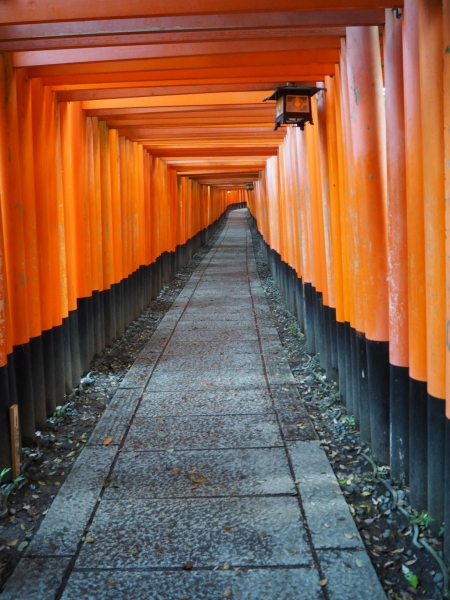 千本鳥居
-
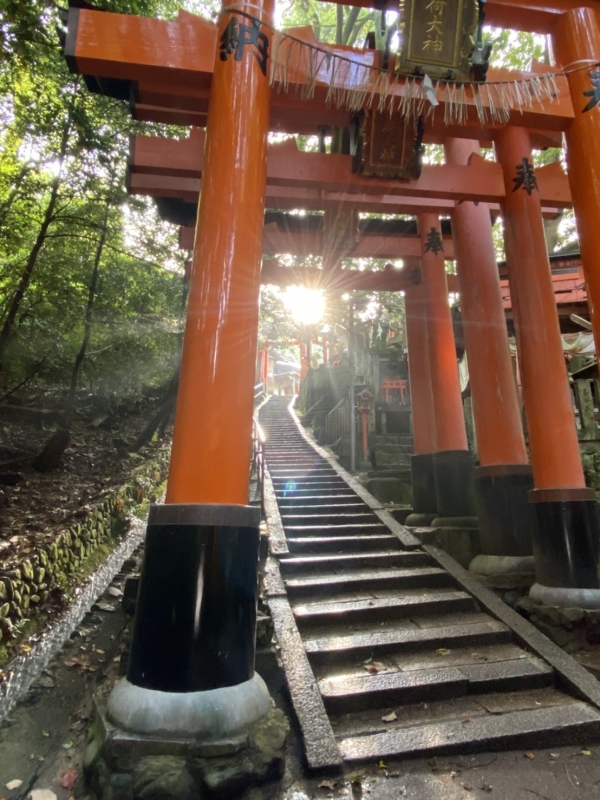 山道の鳥居
-
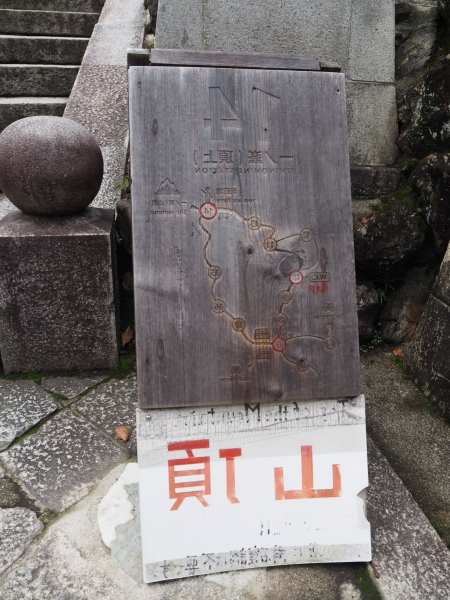 山頂 一ノ峰
2021/03/20 09:10:00 京都外大近くのスロヴェニア料理レストラン
- 学生生活
- Student Reporter
こんにちは!私はグローバル観光学科1年次生の倉谷歩佳です。早速ですが、皆さんは外大の近くのレストランと聞いてどのようなところを思い浮かべますか?昨年度はコロナウイルスの影響で大学に行く機会が少なく、大学周辺を十分に散策できませんでした。そこで、この休みに周辺のレストランなどを調べていると、あるヨーロッパの国の料理店を見つけました。私自身、ヨーロッパの文化に関心を抱いているので、このお店を知ったとき、一瞬で引きつけられました。その名は、「PIKAPOLONCA(ピカポロンツァ)」、スロヴェニアの手作り料理店です。
京都外国語大学を出て、天神川通りを北に約10分歩くと、てんとう虫のイラストがとまったお店が見えてきます。「PIKAPOLONCA(ピカポロンツァ)」。ここは日本で唯一のスロヴェニアの料理専門店です。ここでスロヴェニアという国についてほんの少しだけ紹介します!スロヴェニアは、イタリア、オーストリア、ハンガリー、クロアチアに囲まれた四国地方ほどの面積を持つ国です。「ヨーロッパの緑の宝石」と言われるほど豊かで美しい自然が溢れています。そして、スロヴェニアでは日本と同じようにそばを食べる習慣があります。日本では麵としてそばを食べることが多いですが、スロヴェニアではそば粉のパンやスイーツを食べるそうです。今日は、スロヴェニアから遥々京都を訪れ、PIKAPOLONCAを開店された、オーナーのイゴール・ライラさんと妻の智恵さんへの取材を通して、お店について紹介しようと思います。
「人がくつろげるお店」。イゴールさんと智恵さんが大切にしていることです。このお店では、まるでスロヴェニアの家庭にいるような、そんな雰囲気を味わえます。お二人が現地から持って帰ってきた可愛い置物やスロヴェニアの友人が持ってきてくれた飾り物が店内にはたくさん!机や椅子にはくつろぐためのちょっとした工夫が凝らされています。料理は、食材の素材を生かしたイゴールさん特製メニュー♪スロヴェニアは4つの全く異なる特色を持つ地方から成りますが、それぞれの特徴的な文化を取り入れたお料理をいただけます。昔、スロヴェニアで味わった懐かしの味、伝統の味をここ京都で手に入るもので表現されています。そして実は、料理に使われている野菜やハーブには秘密があります・・・。なんと、美山で自家栽培されている食材なのです!季節によって多様な野菜を栽培されています。万願寺とうがらし、かぼちゃ、インゲン豆、アップルミント・・・日本ではあまり見られないキャベツの形のようなケールも栽培されています。「若者の腕の太さくらいのきゅうりが取れることもありますよ」と面白く例えてくださったイゴールさん(笑)お二人の愛がたくさん詰まった食材です。そんな食材から生まれるメニューを2つ紹介します。
1つ目は、「ギバニッツァ」です。野菜やカッテージチーズ、サーモンなどの層からできる逸品です。夏になれば海の幸を使った地中海風ギバニッツァなど季節限定メニューもあ
るとのことです。2つ目は、シチューやスープなどの煮込み料理です。こちらも季節によって色々な味が登場します。智恵さんは、イゴールさんの作るスープを食べて、「スープの概念が変わった」とおっしゃっていました。お客さんやご友人も、このスープを食べて元気になれるとおっしゃっているようです。煮込み料理は家庭でそれぞれ異なる味が生まれます。作る人、食べる人のその時の感情でも感じる味は全く異なるでしょう。イゴールさんのスープは、体だけでなく心にも表情にも温かさを灯してくれる魔法のスープなのかもしれません。PIKAPOLONCAさんを訪れたときは是非スープをいただきたいですね。そば粉のパンをスープと一緒にいただくのがおすすめだとか!
PIKAPOLONCAさんでは季節のメニューを楽しめますが、メニューが変わる時はイゴールさんの気まぐれ!イゴールさんと智恵さんの中にあるスロヴェニアの味、PIKAPOLONCAさんとお客さんが今日まで育んできた味は、世代や国籍問わず誰でも親しみやすいものです。一度行ったら、「ただいま!」ともう一度訪れたくなるような秘密の場所になりそうですよね!それくらいアットホームでゆっくりした時間を過ごせるのだと取材を通して感じました。これまで、PIKAPOLONCAさんついて書いてきましたが、実は私はまだここに行ったことがありません。コロナウイルスが収束して、大学に行ける日が訪れたら立ち寄りたいです。皆さんもぜひPIKAPOLONCAさんを覗いてみてください!スロヴェニアのおうちのような温かさがお客さんを迎えてくれるでしょう。今回、取材を受けてくださったイゴールさん、智恵さん、ありがとうございました!お店で出会える日を楽しみにしています!
取材協力・写真提供: スロヴェニア料理 PIKAPOLONCA(ピカポロンツァ)
Hello there! My name is Ayuka Kuratani and I am a freshman at the DGT here at KUFS. Here’s my first question for you: what’s the first thing you think of when you picture the restaurants near KUFS? Due to COVID-19, I didn’t have that much chance to visit the campus last year, and as a result I don’t know the area around the university that well.
During the spring break I did venture out and explore, and I found a nice place serving European cuisine. I’m really interested in European culture, so when I saw this place it really drew me in. It’s a restaurant called PIKAPOLONCA and it serves Slovenian cuisine.
Come out of the main gates at KUFS and walk north for 10 mins or so on Tenjingawa street. You’ll see a place with insect illustrations – that is PIKAPOLONCA! This is the only restaurant serving Slovenian cuisine in Japan. Slovenia is bordered by Italy, Austria, Hungary and Croatia. Known as one of the Jewels of the Adriatic, Slovenia has a rich and bountiful nature. Today I am going to introduce this restaurant based on the interview that I had with owner/chef Igor Leiler and his wife Tomoe.
Igor wanted to make a place where people could relax. The atmosphere in the restaurant is like you just walked into a Slovenian family gathering. The menu consists of four dishes from four distinct regions of Slovenia, each with its of culinary traditions and culture. And there is a little secret as to the vegetables and herbs Igor uses in his cooking. They come from the owner’s field, grown and harvested in Miyama, Kyoto Prefecture!
There are a number of great dishes at PIKAPOLONCA and here I’ll introduce two.
One is called Gibanica and it is a traditional pastry dish popular all over the Balkans. It is usually made with cottage cheese and eggs. Igor and Tomoe also serve seasonal Gibanica menu items that are only available for limited times of the year. The second dish is a stew and soup dish. According to Tomoe, the soup is life-alteringly good. It changed her concept of what soup was, she says. Igor was aiming for a soup that warms not only the body but also warms the heart. Anyone who visits PIKAPOLONCA should try the soup with buckwheat bread.
Igor changes the menu at PIKAPOLONCA whenever he feels the urge. Everyone that
comes to the restaurant, regardless of nationality or age, seems to love the food made by Igor and Tomoe. Now we find ourselves away from home. I’m still waiting for the opportunity to actually dine at PIKAPOLONCA, and when the situation regarding COVID-19 is resolved, I am really looking forward to eating there regularly, where I hope to receive a warm welcome, as if I was visiting my second home in Slovenia. Thank you to Igor and Tomoe for agreeing to this interview. Let’s meet again at PIKAPOLONCA soon!
Photos provided by PIKAPOLONCA
-
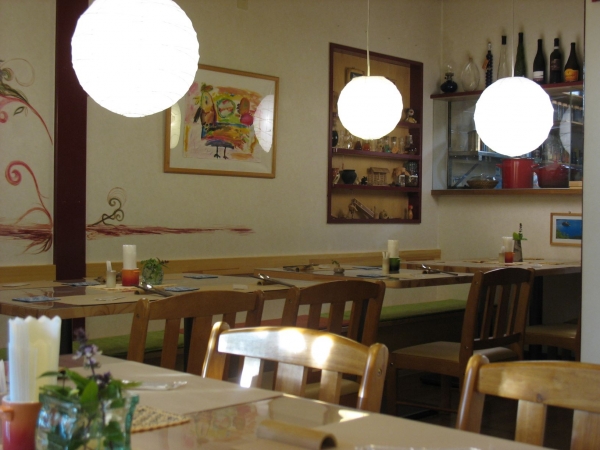 PIKAPOLONCA店内の様子
-
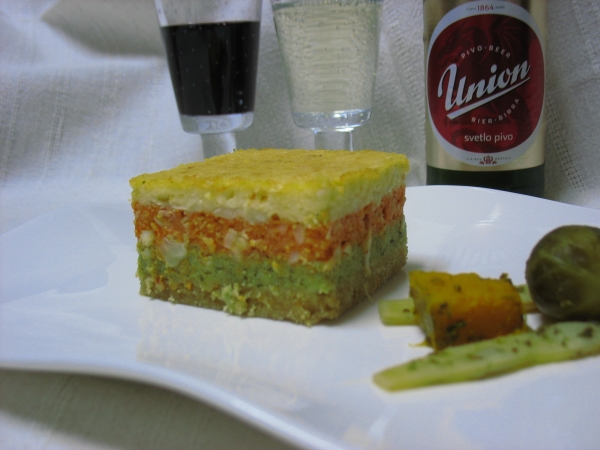 野菜のギバニッツア
-
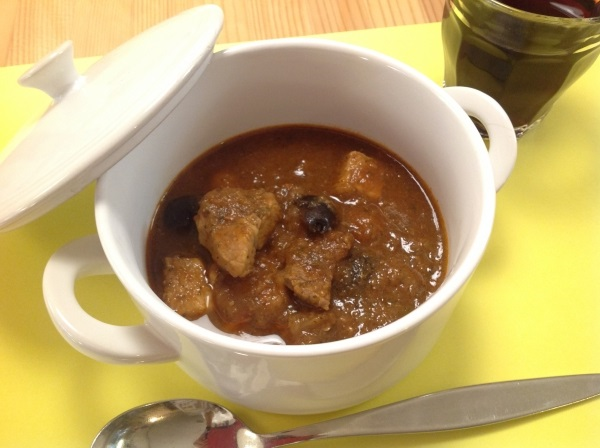 地中海風シチュー


