


学生生活
2021/08/20 15:20:00 わくわくする畑の野菜・花たちの紹介!
 学生生活
 広報隊藤松
みなさん、こんにちは。グローバル観光学科3年次生の藤松桃葉です。今回は、7月16日の学科ブログでご紹介した「わくわくする畑」に現在植えている野菜や花たちについて書きたいと思います。
わくわくする畑では、畑を4分割して、収穫時期ごとに分けて野菜を植えています。夏野菜コーナーには、ナス、オクラ、ピーマン、伏見甘長唐辛子、トマト、ミニトマト、赤紫蘇と青紫蘇を植えました。伏見甘長唐辛子は、京都のご当地野菜です。ミニトマトは、イエローアイコ、純あま、フルーツトマトの3種類を植えています。前回のブログでご紹介したように立派なナスが1つ収穫できたのですが、残念ながらナスは虫に葉を食べられて枯れてしまいました。しかし、他の野菜たちは元気に成長してたくさんの実をつけています。7月28日は、過去最高の収穫量でした。収穫できたのは、オクラ3本、伏見甘長唐辛子5本、トマト3個、ミニトマト37個です。こんなにたくさん収穫できるとは思っていなかったので、わくわくしました!特にトマトは、最近熟れるたびにハクビシンと思われる動物に先に食べられてしまい収穫がほとんどできていなかったので、3個も収穫できて嬉しかったです。
そして、夏野菜たちの間に植えているマリーゴールド、ナスタチウム、イタリアンパセリ、スイートバジルは、コンパニオンプランツとして植えました。コンパニオンプランツとは、「育てたい野菜や花のそばに植えることでよい影響をもたらす植物のこと」です。「共栄作物」「共存作物」とも呼ばれます。(参考:コンパニオンプランツとは?おすすめの植物や植え方一覧 - HORTI 〜ホルティ〜 by GreenSnap')ナスは虫にやられてしまいましたが、他の野菜たちは元気に成長しているので、多少の効果はあったのではないかと思っています。
秋野菜コーナーには、サツマイモと青紫蘇、インゲンマメを植えています。サツマイモの品種は、紅あずまと安納芋です。実は、サツマイモの苗が近所のホームセンターに売っていなくて、私の地元である大分県から祖父母に苗を送ってもらいました(笑)そのこともあって、植えたときは苗が枯れかけていて、大きくなってくれるかな?と心配していました。しかし、現在では隣の畝に覆い被さるほど元気に成長していて、生命力の強さにびっくりです!早くも秋の収穫が楽しみです。秋コーナーの青紫蘇は、サツマイモのコンパニオンプランツとして植えています。そして、7月26日に種を蒔いたインゲンマメは、芽を出して元気に成長しています。収穫できるようになるのが楽しみです。
今後は、白菜や大根などの冬野菜の種を蒔きたいと考えています。また進捗があればブログでご報告しますので、楽しみにしていただけると幸いです。
Hello! My name is Momoha Fujimatsu and I am in my junior year at the Department of Global Tourism Studies. Today, I'd like to write about the vegetables and flowers that we planted as part of the WakuWaku-Suru-Hatake project, which I introduced in a previous blog post.
We divided our field into four parts and categorized the vegetables by their harvesting season. We planted eggplant, okra, green peppers, Fushimi peppers, tomatoes, cherry tomatoes, and perilla in the summer vegetable corner. The Fushimi pepper is a vegetable well known to Kyotoites. We have chosen to grow 3 kinds of cherry tomatoes. The eggplant was mostly eaten by bugs but we were able to harvest one nice eggplant which I introduced in the last blog. The other plants are producing a lot of vegetables. Our first harvest on July 28 yielded 3 okra, 5 Fushimi peppers, 3 tomatoes and 37 cherry tomatoes. I was excited because I didn’t think I could harvest so many vegetables. I was really happy about the 3 tomatoes because many were eaten by a masked palm civet just as they became ripe.
Marigold, garden nasturtium, Italian parsley and sweet basil, which we planted between the vegetables, are called companion plants - meaning they have a good effect on the plants planted next to them”. (reference: コンパニオンプランツとは?おすすめの植物や植え方一覧 - HORTI 〜ホルティ〜 by GreenSnap) Even if the eggplant was eaten by bugs, I think the companion plants had a good effect because the other vegetables are growing well.
In the autumn vegetable corner, we planted sweet potatoes, perillas and common beans. My grandparents sent me sweet potato cuttings from my hometown of Oita because they were not readily available in Kyoto. Initially, the cutting almost died off and I was worried about the crop, but they made it through and are now growing well on a ridge. I am surprised at their vigor and I look forward to harvesting them. The perillas in the autumn corner are planted as a companion plant of the sweet potatoes. We sowed the common beans on July 28, and they have sprouted and are growing well. I look forward to harvesting them too!
Next, we will need to sow our winter vegetables such as Chinese cabbage and daikon radish. It’s fun for me to track our progress in these blogs – please watch out for the next one!
-
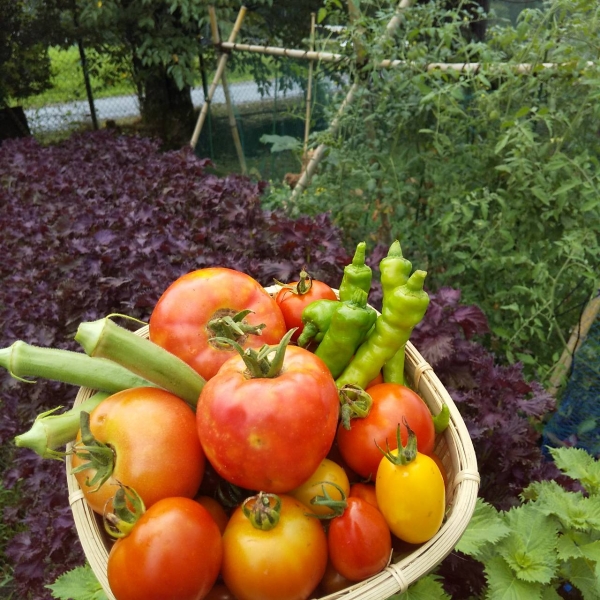 7月28日に収穫した野菜 Vegetables harvested on July 28
-
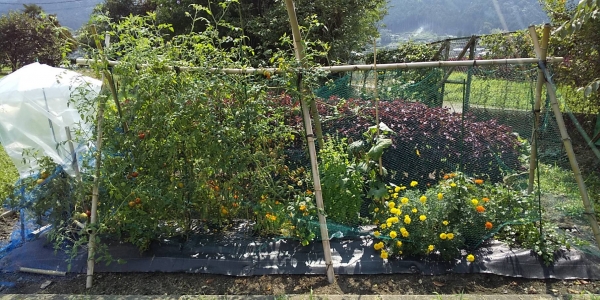 夏野菜コーナー Our summer vegetable corner (撮影:2021年8月1日)
-
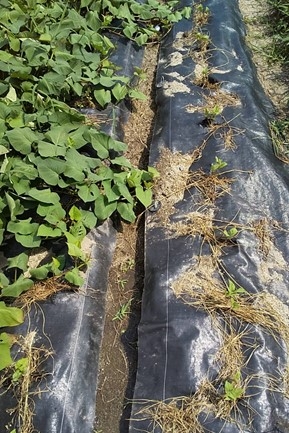 秋野菜コーナー Our autumn vegetable corner(撮影:2021年8月1日)
2021/08/13 22:00:00 舞鶴案内
- 学生生活
- 広報隊石橋
こんにちは。グローバル観光学科3年次生の石橋尚子です。夏休みが始まりましたね!みなさんはどう過ごしますか? さて皆さんは京都府北部にある舞鶴市に行ったことはありますか?舞鶴市は、かつて日本海軍の主要拠点であった鎮守府が置かれており、現在も海上自衛隊の基地があります。海と空の青さが美しい、自然豊かな歴史ある街です。京都府では、観光客が京都市に集中する傾向があるため、京都府内のその他の市の魅力を国内外に発信する「もうひとつの京都」というプロジェクトが行われています。舞鶴市はこのプロジェクトで「海の京都」として知られます。
現在私は村山先生の京都探求ゼミに所属しています。私は艦船や海が好きなので、舞鶴に関連することで何かゼミのテーマになりそうなものはないかと考えています。東舞鶴駅へは京都市内からJR山陰本線とJR舞鶴線を乗り継いでいきます。この駅からアクセスできる東舞鶴市街地の通りは京都市のように縦と横に区切られた碁盤の目のようになっており、各通りに軍艦の名前がついています。例えば三笠通りは日露戦争で連合艦隊旗艦を務めた敷島型戦艦4番艦三笠の名前がついています。
アプリを使いスタンプラリーをすることもできます。街中を歩き、1つずつスタンプを集めていきます。このスタプラリーは今年の12月28日まで開催しています。コースも2種類あり、1時間コースとコンプリートコースがあります。
遊覧船に乗って舞鶴湾のクルーズを楽しむこともできます。舞鶴の観光地のひとつ、赤れんがパークでチケットを買い、乗船場所まで行きます。上記のスタンプラリーのスタンプをすべて集めると、この赤れんがパーク内の市政記念館で景品が貰えますよ。約30分で湾を一周します。自衛隊の艦、自衛艦や船舶を修理する場所であるドックを、間近で見ることができます。停泊している自衛艦は日によって変わるので、毎日様々な艦船を見ることができます。
遊覧船の乗り場のすぐ近くに赤れんが博物館があります。ここでは世界中の古代遺跡や建築物に使われている煉瓦や、煉瓦の作り方、煉瓦が使われている日本の近代建築について学ぶことができます。
市街地から少し離れたところには引揚記念館があります。ここでは戦後、ソ連に抑留された人々の引き揚げについて学ぶことができます。戦後海外にいた多くの人々が日本へ引き揚げ、日本中の港へ到着しました。中でも舞鶴港はソ連からの引き揚げ者を多く迎え入れました。決して忘れてはいけない歴史を、貴重な資料と共に学ぶことができます。
舞鶴までは京都市内からだと、電車で片道約2時間半、車では京都縦貫自動車道を使うと約1時間で行くことができます。コロナが落ち着けば行ってみてはいかがでしょうか?自然を楽しむことも出来ますし、勉強にもなります。シーフードやカレー等、美味しい食べ物も沢山ありますよ!
★グローバル観光学科長のジェフバーグランド先生が京都各地をご案内する旅番組、Jeff @Kyotoでも舞鶴の映像がご覧いただけますので、ぜひ見てみてください!
Please take a look at the following youtube videos which feature Maizuru! Our department head, Prof. Jeff Berglund will provide you a guide.
JEFF@KYOTO 2020#89 舞鶴/絶景五老タワー
JEFF@KYOTO 2020#90 舞鶴/とれとれセンター市場グルメ
JEFF@KYOTO 2020#91 舞鶴/赤れんがパーク
JEFF@KYOTO 2020#92 舞鶴/引揚記念館
Hello!My name is Naoko Ishibashi and I am a third-year student from the Department of Global Tourism Studies. For this blog post I want to introduce Maizuru City. Have you ever been to Maizuru? It is a city located in the northern part of Kyoto Prefecture. Maizuru was once a key shipyard for the Imperial Japanese Navy and still serves as a base for the Maritime Self-Defense Force. It is a historic city rich in nature situated next to the beautiful blue sea.
In Kyoto Prefecture, tourists tend to concentrate in Kyoto City. A project called Mouhitotsu no Kyoto (Another Kyoto) is underway to promote the charms of other locations in Kyoto Prefecture both at home and abroad. Maizuru City is also included in this project as Umi no Kyoto which means Kyoto of the Sea.
Currently, I am a member of Prof. Murayama's Kyoto Enquiry Seminar. Since I like ships and the sea, I was trying to see if there was anything related to the city that could be a theme for my research.
To get to Higashi Maizuru Station, you need to take the JR Sanin Line and then the JR Maizuru Line from Kyoto City. The streets of downtown Maizuru, accessible from this station, are like a grid, divided vertically and horizontally like Kyoto City, and each street is named after a warship. For example, Mikasa Street is named after the Mikasa, a Shikishima-class battleship, which served as the flagship of the fleet during the Russo-Japanese War.
When you walk around the city, I recommend you do a stamp rally using an app, collecting stamps one by one. This stamp rally will be held until December 28, 2021. There are two courses: a one-hour course and the complete course.
You can also enjoy a cruise around Maizuru Bay on a sightseeing boat. You can buy your tickets at Akarenga Park, one of the tourist attractions in the city named after the akarenga red brick buildings. If you collect all the stamps in the aforementioned stamp rally, you can claim a prize from Maizuru City Hall in Akarenga Park.
The Maizuru Bay Cruise takes about 30 minutes. You can get a close look at the Self-Defense Force ships as well as the docks where ships are repaired. The number of Self-Defense Force ships docked here changes daily, so you can see a variety of ships depending on the day of your visit.
The Red Brick Museum is located near the cruise ship terminal. Here you can learn about how bricks were used in ancient ruins and buildings all over the world, how different bricks are made, and the styles of modern architecture in Japan where bricks are used. A little further away from the city center is the Repatriation Memorial Hall. Here you can learn about the repatriation of people who were interned in the Soviet Union in the years immediately after the end of WWII. Many people who were overseas after the war were repatriated to Japan and arrived at ports all over the country. Among them, Maizuru Port welcomed many who were repatriated from the Soviet Union.
From Kyoto City, it takes about two and a half hours to get to Maizuru by train one way, or about one hour by car using the Kyoto Jukan Expressway. You can enjoy the natural environment and learn a lot. There's also a lot of good food, like curry and seafood!
-
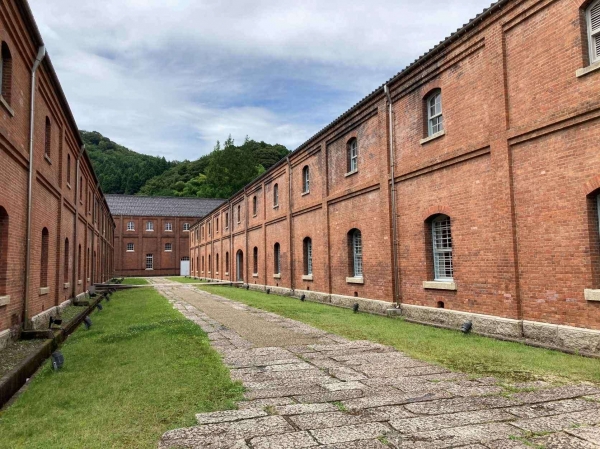 舞鶴赤れんがパーク
-
 遊覧船から見える護衛艦みょうこう
-
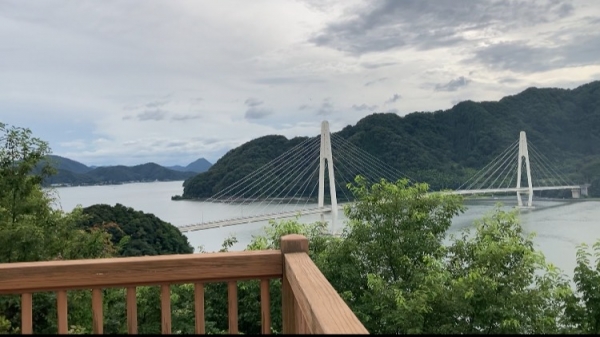 舞鶴湾を一望
2021/08/07 10:30:00 家で楽しむ方法 How to have fun at home
- 学生生活
- 広報隊中井
皆さんこんにちは、グローバル観光学科3年次生の中井涼矢です。大変暑い日が続き体調管理が難しい季節になりましたが、皆さんいかがお過ごしでしょうか?あまりにも気温が高いと、外に出ることが難しく、昨今の感染状況も加わって家で過ごす時間が多くなっていると思います。そのため、そんな日には普段の休日ではできなかったことや後回しにしていたことを探してみてはいかがでしょうか。基本的に毎日行うわけではないので、実践することで新鮮味も感じられ、家で過ごすのも悪くないと思えるかもしれません。
いくつか自宅で過ごす日のおすすめの過ごし方を紹介します。一つ目は掃除です。外に出にくい日に掃除を行うと充実した一日になるのではないでしょうか。特に、夕立ちなど雨が降った後は湿気によりほこりや汚れが舞いにくくなってるため綺麗に掃除することができます。普段掃除をする時間がないという方は、試してみてはいかがでしょうか。
二つ目に紹介するのは、読書です。読書は家の中での過ごし方の中では定番ではないでしょうか。普段、本を読まない人も自宅で自分の好きな本や興味のある本を読んでみてはいかがでしょうか。僕は、特に雨が降っているときは音楽などは流さずに雨の音を聞きながら本を読んでいます。雨の音には心を落ち着かせ、集中力を高める働きがあると言われています。雨が降っていなくても、皆さんもよければ音楽無しで読書してみてはいかがでしょうか。
普通の照明よりも明るさが控えめでほんのり明るい間接照明を使って落ち着いた雰囲気を作るのもお薦めです。自宅であまり人とかかわらずに過ごす時間が長くなると、心もどこか寂しい気分になりやすいです。しかし、考え方やアイデア次第では家の中でも楽しむことができるとおもうのでぜひ今回の記事を参考にしてください。
Hello everyone, my name is Ryoya Nakai and I am a third-year student in the Department of Global Tourism. Recently it has been really hot, and it is always a challenging season in which to maintain one’s health.
This time, I would like to share with you some ways to enjoy at home. Due to this hot weather and the pandemics, we tend to spend more time indoors. What I am conscious of on spending at home is to try to do things that I cannot usually do – or to put it another way, things that I can do because I am home.
Recently, outdoor activities are increasingly restricted. Therefore, why not look for things that you could not do on a normal day off – namely things that you have been putting off, or things that are easy to practice indoors. Here are a few ways to spend a rainy day:
The first is cleaning. When it is difficult to go outside, cleaning will make your day more fulfilling. On a rainy day, particularly, dust and dirt are less likely to fly around because of the humidity, so you can clean better than on a sunny day. If you don't usually have time to clean, why not do it?
The second thing I would like to introduce is reading. Reading is probably one of the most popular ways to spend time at home. Even if you don't usually read books, why don't you try reading your favorite or interesting books at home? When it's raining, I particularly enjoy reading while listening to the sound of the rain. It is said that the sound of rain calms the mind and improves concentration.
Also, why not try using indirect lighting? It is less bright and can help create a calm, subtle atmosphere. When we spend more time at home, it is easy to feel somewhat lonely and melancholy. However, depending on your way of thinking, it is possible to have fun even at home.
2021/07/16 21:40:00 大原わくわくする畑プロジェクト始動!
- 学生生活
- 広報隊藤松
みなさん、こんにちは。グローバル観光学科3年次生の藤松桃葉です。今回は、私が京都市左京区大原で始めた活動をご紹介します。その名も「大原わくわくする畑プロジェクト」です!
私はCEP越前に参加したことをきっかけに、以前から興味を持っていた農業と、地域活性化をテーマに研究したいと考えるようになりました。しかし、農業のことはほとんどわかりません。そこで実践的に学びたいと考え、南博史先生にご相談したところ、南先生が20年以上おつきあいのある京都市中京区龍池学区自治連合会が左京区大原に保有する龍池大原学舎の運動場の一画を使わせていただけることになりました。ここは、以前畑だったそうですが、しばらく使われておらず、草だらけになっていました。
何もわからない私は、まず、大原の方に畑を見学させていただきました。りんごや柑橘類などの果樹、スイスチャードなど見たことのなかった野菜、ほんとにたくさんの作物がきれいに植えられていて、とても「わくわく」しました。このときの体験から、私もわくわくする畑を作りたいと思い、「わくわくする畑プロジェクト」と名付けました。
次に、私だけで畑をすることは不可能だと思い、南先生の授業やGTゼミ、外国語学部の公共政策ゼミでプレゼンをさせていただいて、仲間を募集しました。そして、なんとグローバル観光学科、外国語学部の1~4年次生が15人以上集まってくれました。私は、仲間たちの力を借りながら、自主活動として1週間に1回は畑に通い、少しずつ作業を進めてきました。第一回目の活動では、2人の仲間が手伝いに来てくれました。草が根を張って予想以上に硬い土を、素人だけで3時間以上かけて耕し、なんとか畝が1つできました。大変でしたが、すごく楽しくて、畝ができたときは達成感がありました。
それからも毎回数人の仲間が自主活動として参加してくれて、一緒に少しずつ畑の面積を広げながら、夏野菜やサツマイモを植えてきました。そして、先日、初収穫をすることができました。1週間前に見たときは緑だったトマトが2つ真っ赤になっているのを見たときは、思わず声を上げるくらい嬉しかったです。トマトの他にも、立派なナスが1本とオクラが2本、ミニトマトが4つ収穫できて感動しました。夏の訪れを感じる収穫になりました。
収穫した野菜は、できるだけ素材の味を楽しめるように考えて調理しました。作ったのは、ナスとオクラのステーキとナスの塩もみです。トマトはそのままいただきました。野菜たちに愛着がわいて、ナスに包丁を入れるのもためらってしまいました(笑)。自分たちで育てた野菜の美味しさは格別で、幸せな気持ちになりました。野菜を作る大変さを知って、食べる喜びを改めて感じたことで、農家さんをはじめ、ご飯を作ってくれる人、食材にもっと感謝して食べようと思いました。初収穫は仲間が来られなかったので、次はみんなにも収穫してもらえると嬉しいです。
この畑は、南先生、この活動に賛同して集まってくれた仲間たちだけでなく、学舎を管理する龍池教育財団、龍池まちつくり委員会の方々によってご縁を得た大原の方々のご支援もいただいて続けることができています。いつも気にかけて様子を見に来て、アドバイスをくださる地域の方々がいらっしゃることは本当に嬉しく、ありがたいことです。通りすがりの方も、温かく声をかけてくださいます。この畑の復興には、畑を中心としたまちづくりをするという目的もあります。畑を続けていくことで、地域の皆さまとの交流も深めていきたいと考えています。
まだまだわからないことだらけですが、自然の中で楽しく活動しています。これからも、もっと「わくわくする畑」になるように、楽しみながら頑張ります!
Hello! My name is Momoha FUJIMATSU and I am a junior year student at the Department of Global Tourism Studies. Today, I'd like to introduce an activity which I participated in, in the village of Ohara, Sakyo Ward, Kyoto.
My interest was in researching agriculture and regional revitalization, but I was almost completely ignorant about agriculture, so I talked with Professor Hiroshi Minami and he suggested I could grow vegetables on a small parcel of land at Tatsuike Ohara School in the village of Ohara. So my first port of call was Ohara. Here they cultivate various fruit trees such as apple and citrus fruits, as well as vegetables which I was not familiar with such as swiss chard. I became inspired when I saw these things being grown, which is why I named this project WakuWaku-Suru-Hatake – the Thrilling Fields!
I knew I needed help, so I made a presentation and more then 15 students belonging to the Department of Global Tourism and the Faculty of Foreign Studies responded. Typically, we tend the field once a week. At the first session, 2 participants came to help. We had to clear and till the soil before creating a row of raised earth for the crops, which took 3 hours because we all are amateurs. It was hard work, but we were so excited and felt a real sense of achievement. Having prepared the soil, we planted summer vegetables and sweet potatoes. A few days ago, I collected our first harvest. When I found two red tomatoes which were green a week ago, I was so pleased. Our bounty included a wonderful eggplant, okra and cherry tomatoes. I really feel the seasons out here.
I grilled the eggplant and okra, and the remaining eggplant I sliced and kneaded with salt. I ate the tomatoes off the vine. The vegetables were exceptional and I was so happy. It made me feel gratitude for farmers, because I learned how difficult it can be to cultivate vegetables. I want to thank Professor Minami, my fellow students and the residents of Ohara for their kindness and their advice. The people in the village talk to us warmly. One of the purposes of this project is regional revitalization and I enjoy communicating with the residents through my work. There are still many things what I don’t know, but I really enjoy working in nature. I’ll keep working and do my best!
-
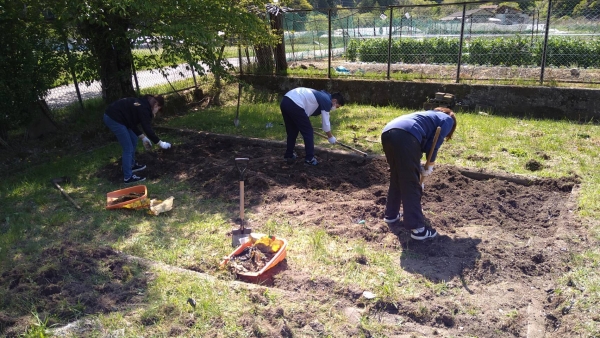 第一回目の活動 Preparing the soil
-
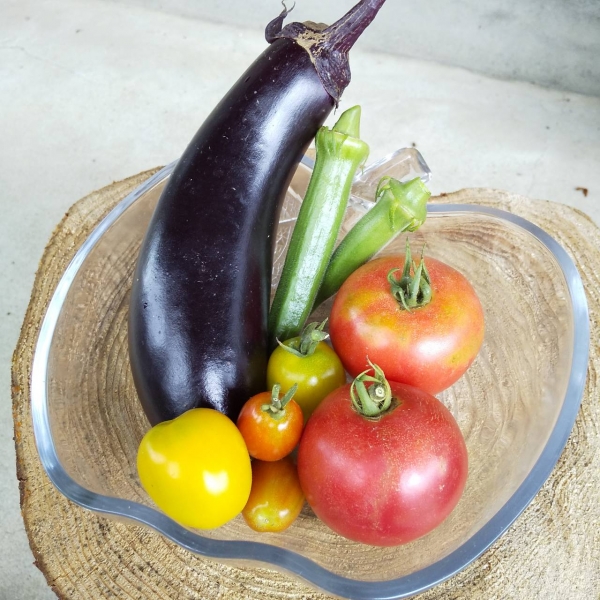 収穫した野菜たち Our first harvest
-
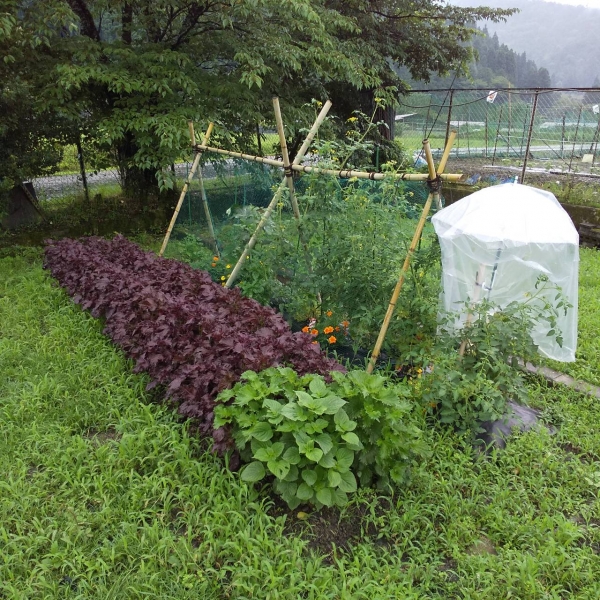 第一回目の活動で作った畝に植えた夏野菜 Summer vegetables(撮影:2021.07.09)
2021/07/10 21:20:00 善峯寺について Yoshimine-dera Temple
- 学生生活
- 広報隊石橋
こんにちは。グローバル観光学科3年次生の石橋尚子です。毎日、蒸し暑くジメジメとした天気で滅入りそうです。春学期も残り約1ヶ月となりましたが、皆さん如何お過ごしでしょうか。
今回は京都市西京区にあるお寺、善峯寺についてです。西国三十三所の二十番目に当たるお寺で、平安時代中期の1029年に開かれました。多くの天皇が寄進をされ、沢山の僧坊(僧侶が住む建物)がありましたが、応仁の乱で多くが焼けてしまいました。江戸時代に徳川幕府の五代将軍の徳川綱吉の母である桂昌院によって観音堂など沢山のお堂が再建されています。徳川将軍の生母になった桂昌院のゆかりの地のため、開運出世のお寺としても知られています。また、病気平癒や入試合格の御守りも有名です。
国指定天然記念物の「遊龍の松」が有名です。横に長く植わっている大きな松で、まるで龍のように見えます。また、境内にはとても広い回遊式庭園があります。私が訪れた時は、数多の紫陽花が咲いており、遠くに見える京都の市街地も相まって、壮麗な景色が広がっていました。紫陽花は6月~7月が見頃ですが、8月になると次は百日紅が花を咲かせます。その後は菊と紅葉と、四季折々の花を楽しめます。一年中綺麗な花と景色が見れるなんて最高ですね!どの季節にも行きたいです。
阪急東向日駅もしくはJR向日町駅から1時間に1本だけ善峯寺行きのバスが出ており、30分ほど揺られると着きます。皆さんも時間があるときに、足を延ばしてみてはいかがでしょうか。
参照ウェブサイト:善峯寺公式ホームページ
Hello! I'm Naoko Ishibashi, a third-year student in the Department of Global Tourism. The weather is hot, humid and gloomy every day, and it’s starting to get me down a little. There is only about a month left in the spring semester, so how is everyone doing?
I would like to introduce Yoshimine-dera Temple in Nishikyo-ku, Kyoto City. Established in 1029, Yoshimine-dera is number 20 of the 33 temples that make up the traditional Buddhist pilgrimage trail here in the western part of Japan. Several emperors donated money to the temple, and there were many monks' quarters, but a lot of these structures burned down during the Onin War. In the Edo period (1603-1868), many structures were rebuilt, including the Kannon Hall by Katsuragi Shoin, the mother of Tsunayoshi Tokugawa, the fifth shogun of the Tokugawa Shogunate, which is also why the temple is known for its charms for healing from illness and passing entrance exams.
The temple is famous for the yūryū no matsu - the "gliding dragon" pine tree, which is a natural monument. It is a large pine tree that has been encouraged to grow horizontally and looks like a dragon. There is also a very large circular garden on the temple grounds. When I visited, there were many hydrangeas in bloom, and combined with the city of Kyoto in the distance, it made for a memorable sight. The best time to see the hydrangeas is from June to July, but in August, the crape myrtle flowers bloom and that’s also a good time for a visit. After that, there are chrysanthemums and autumn foliage, so you can enjoy the best of each season regardless of when you visit.
Buses for Yoshiminedera depart once an hour from Hankyu Higashi-Mukō Station and JR Mukōmachi Station, and it takes about 30 minutes to get there. Why not plan a visit and check it out?
-
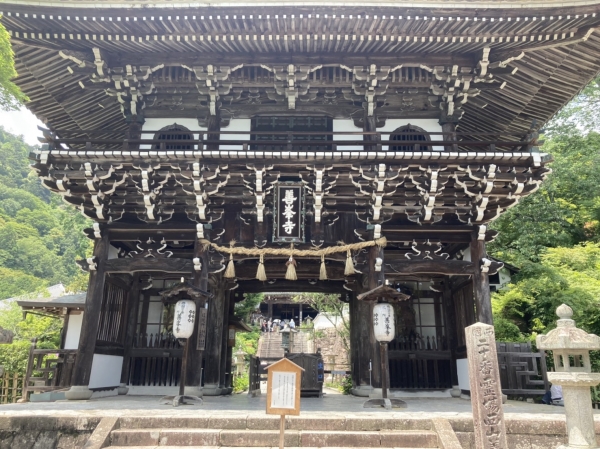 善峯寺の門
-
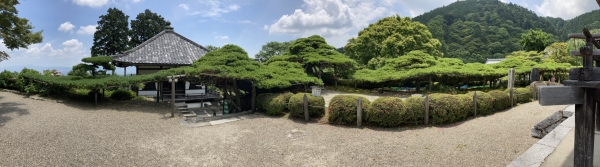 遊龍の松
-
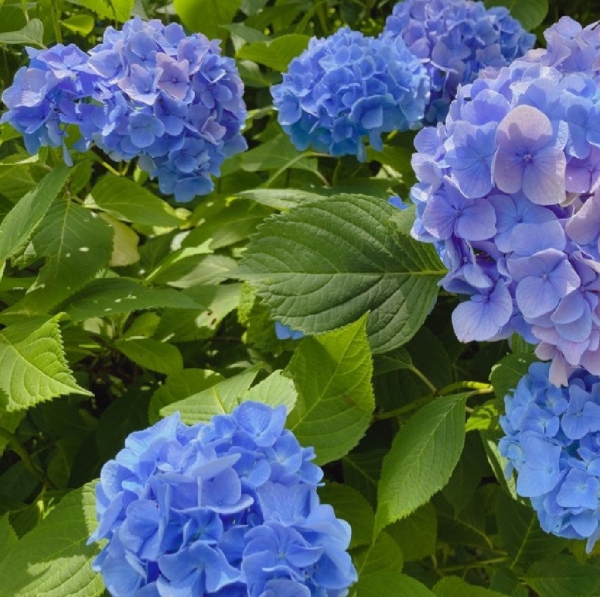 紫陽花


