


2021/03/29 10:00:00 晴明神社でのフィールドワーク (CEP京都スピリチュアルツーリズム )
 CEP活動紹介
 Student Reporter
こんにちは!CEPスピリチュアルツーリズムで活動をしているグローバル観光学科2年次生の梛木絢芽です。3月15日からCEPスピリチュアルツーリズムも活動が始まりました!初日の実習では晴明神社に訪問しました。晴明神社は平安時代中期の有名な陰陽師であった安倍晴明を祀っています。清明神社では山口宮司にお話をお伺いしました。その際に安倍晴明の絵が描かれた掛け軸を特別に見せていただきました。複製品ではありますが、ほとんど見せることがなく9月のお祭の時に飾られるもので信仰の対象であるのでとても貴重なものです。
そのお話の中で私が一番興味深いと思ったのは晴明神社の神紋である五芒星のマークの意味です。陰陽道の基本概念である五行説というものがあります。これは5つの自然物の循環によって自然界が構成されているという考えです。その5つの自然物とは木・火・土・金・水であり、木が燃えて灰になり土となり、土の中から金属が生まれ、金属がやがてとけて水になり水が木を育てる。この循環を相生と言います。しかし、この中に互いに争い相手に勝つ関係もあります。木が土の養分を吸い取り、土が水をせき止め、水が火を消し、火が金属を溶かし、金属が木を切るというものです。この関係を表したのが五芒星の神紋につながります。私は今までこの神紋にこんな意味があることを知らなかったのでとても興味深く、また神社の神紋一つにも深い歴史や思想が関わってくることが面白いと感じました。
最後に晴明神社の魅力をいくつかご紹介します。神社の中にある御神木は樹齢推定300年の楠で触れると、大きな力を感じられます。他にも厄除けの果物と言われる桃の形をした像があります。この桃をなでると自分の厄を吸い取ってくれるようです。6月には約2000株の桔梗の花を見ることができ、その時期限定のききょう守というお守りも発売されます。桔梗の開花はホームページで確認することができるので要チェックです!
宮司からお話を聞き知識を得たうえでお参りすると、普段よりいろんなことに興味が沸いてより神社を楽しめました。晴明神社に限らず神社に訪れる際は少し調べてから行くのがおすすめです!
Hello! My name is Ayame Nagi and I am a sophomore at the Department of Global Tourism Studies. The CEP Kyoto Spiritual Tourism module began on March 15th. On the first day of the program we visited Seimei Shrine. This shrine is dedicated to Abe no Seimei, a famous astronomer in the Heian period (794-1185).
The chief priest Mr.Yamaguchi told us the history of the shrine and Abe no Seimei. Then he showed us a hanging scroll written by Abe no Seimei, which is not usually shown to the public. Despite being a replica this scroll is very precious because it is displayed only during festivals in September and it is an object of faith for shrine devotees.
The most interesting story we heard that day was about the meaning of the pentagram motif, which is the crest of the shrine. This motif refers to the five elements from Chinese philosophy. This posits that the natural world is made up by a cycle of five natural elements: wood, fire, earth, metal and water, represented by the points of the pentagram. In the cycle, wood burns and becomes ash. Ash transforms into earth and metals are generated in the earth. Metals then generate water and water helps wood grow.
However, there are lateral connections across the pentagram that are also interesting. Wood absorbs nutrition from the earth and the earth – in the form of a dam – can stop the flow of water. Water can extinguish fire and fire melts metal. Metal can be sharpened to cut down wood. These relationships are told in the design of the pentagram. I did not know that crest motif had such a meaning and it was interesting to learn about the history of this concept.
Lastly, I want to introduce something I found fascinating at the shrine. In the compound, there is a sacred tree – a camphor tree that is about 300 years-old that is known as a power spot. When you touch the tree, you can feel its energy.
Next to the tree is a peach-shaped statue. According to Chinese folklore, peaches have the power of getting rid of bad luck. When you stroke the bronze peach, it is said that your bad luck will be absorbed.
In June, you can see around 2,000 kikyo (Chinese bellflowers) bloom with their distinct, vivid purple color. A special omamori protective amulet is sold only when the kikyo blooms. The shrine announces updates on the status of the kikyo on their website, so be sure to keep an eye out for this!
I got a lot more out of my visit after getting some information about the shrine. I was intrigued by so many things and enjoyed the experience more than usual. I recommend researching about the shrine prior to your visit.
-
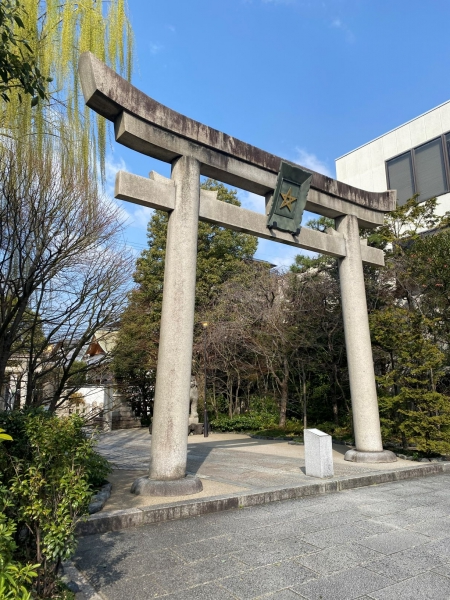 晴明神社 Seimei Shrine
-
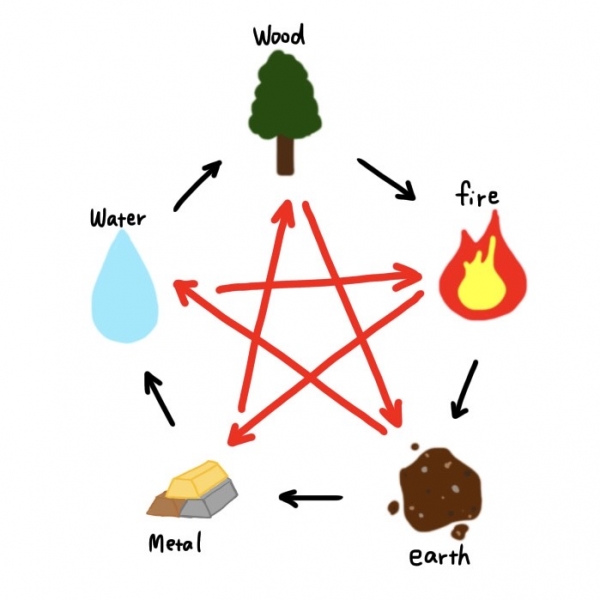 五行説 Five Chinese Element
-
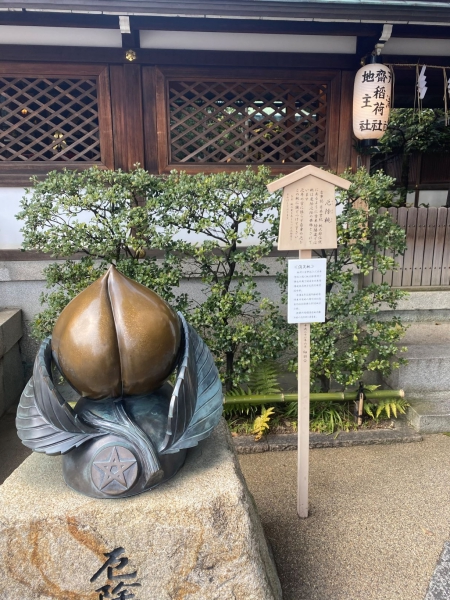 厄除桃 peach-shape statue
2021/03/20 09:40:00 学科長バーグランド先生のメディア出演情報
- ニュース
- KUFS Global Tourism
The head of our department, Prof. Jeff Berglund appeared on NHK World on Thursday (3/18). You can watch the program from this link.
3月18日(木)にNHK WORLDで学科長ジェフ・バーグランド先生がCore Kyotoという番組に出演されました。Core Kyotoは、千年の都、京都の魅力をテーマごとに浮き彫りにし、多様な文化の核(コア)を紹介する番組です。国内ではこちらのリンクからライブストリーミングで視聴もできます。ぜひご覧ください!
関連リンク:
Jeff's Travel Guide at Kyoto
JEFF@KYOTO おもてなし京都観光
3月18日(木)にNHK WORLDで学科長ジェフ・バーグランド先生がCore Kyotoという番組に出演されました。Core Kyotoは、千年の都、京都の魅力をテーマごとに浮き彫りにし、多様な文化の核(コア)を紹介する番組です。国内ではこちらのリンクからライブストリーミングで視聴もできます。ぜひご覧ください!
関連リンク:
Jeff's Travel Guide at Kyoto
JEFF@KYOTO おもてなし京都観光
2021/03/20 09:10:00 京都外大近くのスロヴェニア料理レストラン
- 学生生活
- Student Reporter
こんにちは!私はグローバル観光学科1年次生の倉谷歩佳です。早速ですが、皆さんは外大の近くのレストランと聞いてどのようなところを思い浮かべますか?昨年度はコロナウイルスの影響で大学に行く機会が少なく、大学周辺を十分に散策できませんでした。そこで、この休みに周辺のレストランなどを調べていると、あるヨーロッパの国の料理店を見つけました。私自身、ヨーロッパの文化に関心を抱いているので、このお店を知ったとき、一瞬で引きつけられました。その名は、「PIKAPOLONCA(ピカポロンツァ)」、スロヴェニアの手作り料理店です。
京都外国語大学を出て、天神川通りを北に約10分歩くと、てんとう虫のイラストがとまったお店が見えてきます。「PIKAPOLONCA(ピカポロンツァ)」。ここは日本で唯一のスロヴェニアの料理専門店です。ここでスロヴェニアという国についてほんの少しだけ紹介します!スロヴェニアは、イタリア、オーストリア、ハンガリー、クロアチアに囲まれた四国地方ほどの面積を持つ国です。「ヨーロッパの緑の宝石」と言われるほど豊かで美しい自然が溢れています。そして、スロヴェニアでは日本と同じようにそばを食べる習慣があります。日本では麵としてそばを食べることが多いですが、スロヴェニアではそば粉のパンやスイーツを食べるそうです。今日は、スロヴェニアから遥々京都を訪れ、PIKAPOLONCAを開店された、オーナーのイゴール・ライラさんと妻の智恵さんへの取材を通して、お店について紹介しようと思います。
「人がくつろげるお店」。イゴールさんと智恵さんが大切にしていることです。このお店では、まるでスロヴェニアの家庭にいるような、そんな雰囲気を味わえます。お二人が現地から持って帰ってきた可愛い置物やスロヴェニアの友人が持ってきてくれた飾り物が店内にはたくさん!机や椅子にはくつろぐためのちょっとした工夫が凝らされています。料理は、食材の素材を生かしたイゴールさん特製メニュー♪スロヴェニアは4つの全く異なる特色を持つ地方から成りますが、それぞれの特徴的な文化を取り入れたお料理をいただけます。昔、スロヴェニアで味わった懐かしの味、伝統の味をここ京都で手に入るもので表現されています。そして実は、料理に使われている野菜やハーブには秘密があります・・・。なんと、美山で自家栽培されている食材なのです!季節によって多様な野菜を栽培されています。万願寺とうがらし、かぼちゃ、インゲン豆、アップルミント・・・日本ではあまり見られないキャベツの形のようなケールも栽培されています。「若者の腕の太さくらいのきゅうりが取れることもありますよ」と面白く例えてくださったイゴールさん(笑)お二人の愛がたくさん詰まった食材です。そんな食材から生まれるメニューを2つ紹介します。
1つ目は、「ギバニッツァ」です。野菜やカッテージチーズ、サーモンなどの層からできる逸品です。夏になれば海の幸を使った地中海風ギバニッツァなど季節限定メニューもあ
るとのことです。2つ目は、シチューやスープなどの煮込み料理です。こちらも季節によって色々な味が登場します。智恵さんは、イゴールさんの作るスープを食べて、「スープの概念が変わった」とおっしゃっていました。お客さんやご友人も、このスープを食べて元気になれるとおっしゃっているようです。煮込み料理は家庭でそれぞれ異なる味が生まれます。作る人、食べる人のその時の感情でも感じる味は全く異なるでしょう。イゴールさんのスープは、体だけでなく心にも表情にも温かさを灯してくれる魔法のスープなのかもしれません。PIKAPOLONCAさんを訪れたときは是非スープをいただきたいですね。そば粉のパンをスープと一緒にいただくのがおすすめだとか!
PIKAPOLONCAさんでは季節のメニューを楽しめますが、メニューが変わる時はイゴールさんの気まぐれ!イゴールさんと智恵さんの中にあるスロヴェニアの味、PIKAPOLONCAさんとお客さんが今日まで育んできた味は、世代や国籍問わず誰でも親しみやすいものです。一度行ったら、「ただいま!」ともう一度訪れたくなるような秘密の場所になりそうですよね!それくらいアットホームでゆっくりした時間を過ごせるのだと取材を通して感じました。これまで、PIKAPOLONCAさんついて書いてきましたが、実は私はまだここに行ったことがありません。コロナウイルスが収束して、大学に行ける日が訪れたら立ち寄りたいです。皆さんもぜひPIKAPOLONCAさんを覗いてみてください!スロヴェニアのおうちのような温かさがお客さんを迎えてくれるでしょう。今回、取材を受けてくださったイゴールさん、智恵さん、ありがとうございました!お店で出会える日を楽しみにしています!
取材協力・写真提供: スロヴェニア料理 PIKAPOLONCA(ピカポロンツァ)
Hello there! My name is Ayuka Kuratani and I am a freshman at the DGT here at KUFS. Here’s my first question for you: what’s the first thing you think of when you picture the restaurants near KUFS? Due to COVID-19, I didn’t have that much chance to visit the campus last year, and as a result I don’t know the area around the university that well.
During the spring break I did venture out and explore, and I found a nice place serving European cuisine. I’m really interested in European culture, so when I saw this place it really drew me in. It’s a restaurant called PIKAPOLONCA and it serves Slovenian cuisine.
Come out of the main gates at KUFS and walk north for 10 mins or so on Tenjingawa street. You’ll see a place with insect illustrations – that is PIKAPOLONCA! This is the only restaurant serving Slovenian cuisine in Japan. Slovenia is bordered by Italy, Austria, Hungary and Croatia. Known as one of the Jewels of the Adriatic, Slovenia has a rich and bountiful nature. Today I am going to introduce this restaurant based on the interview that I had with owner/chef Igor Leiler and his wife Tomoe.
Igor wanted to make a place where people could relax. The atmosphere in the restaurant is like you just walked into a Slovenian family gathering. The menu consists of four dishes from four distinct regions of Slovenia, each with its of culinary traditions and culture. And there is a little secret as to the vegetables and herbs Igor uses in his cooking. They come from the owner’s field, grown and harvested in Miyama, Kyoto Prefecture!
There are a number of great dishes at PIKAPOLONCA and here I’ll introduce two.
One is called Gibanica and it is a traditional pastry dish popular all over the Balkans. It is usually made with cottage cheese and eggs. Igor and Tomoe also serve seasonal Gibanica menu items that are only available for limited times of the year. The second dish is a stew and soup dish. According to Tomoe, the soup is life-alteringly good. It changed her concept of what soup was, she says. Igor was aiming for a soup that warms not only the body but also warms the heart. Anyone who visits PIKAPOLONCA should try the soup with buckwheat bread.
Igor changes the menu at PIKAPOLONCA whenever he feels the urge. Everyone that
comes to the restaurant, regardless of nationality or age, seems to love the food made by Igor and Tomoe. Now we find ourselves away from home. I’m still waiting for the opportunity to actually dine at PIKAPOLONCA, and when the situation regarding COVID-19 is resolved, I am really looking forward to eating there regularly, where I hope to receive a warm welcome, as if I was visiting my second home in Slovenia. Thank you to Igor and Tomoe for agreeing to this interview. Let’s meet again at PIKAPOLONCA soon!
Photos provided by PIKAPOLONCA
-
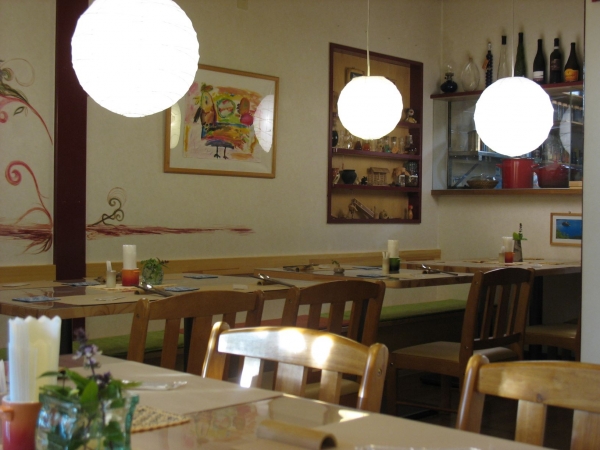 PIKAPOLONCA店内の様子
-
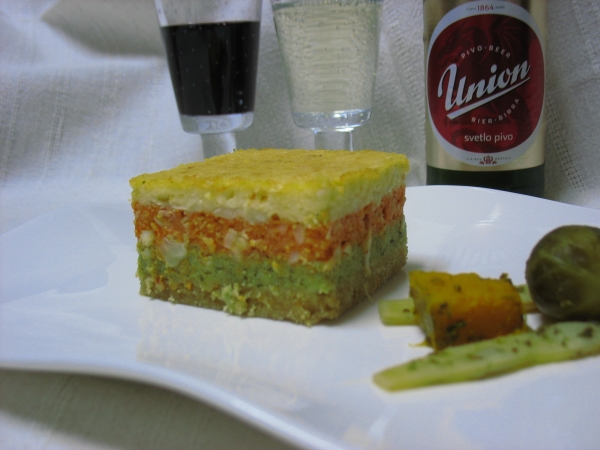 野菜のギバニッツア
-
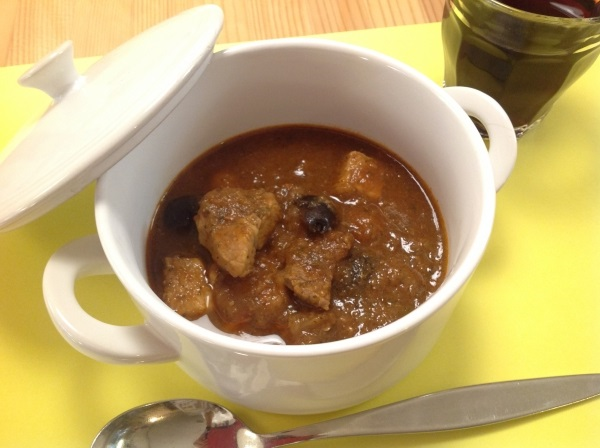 地中海風シチュー
2021/03/19 21:30:00 1年間のカナダ留学
- 留学関係
- Student Reporter
皆さんこんにちは。私はグローバル観光学科3年次生の遠藤櫻です。毎月恒例の学校外で活躍するグローバル観光学科生にスポットライトを当てたインタビュー形式のブログシリーズです。今月、ご紹介するのは、2月から7月までケロウナでそのあとバンクーバーに移り計1年間カナダ留学をしていた田中智大さんです。
--------
Hello everyone, I'm Tomohiro Tanaka. I learned a lot of things during my study abroad in Canada. If you are thinking about going to study abroad, I hope that you can make a good choice for your future.
遠藤:はじめに、留学しようと思ったきっかけについて教えてください。また数ある国の中からなぜカナダを選びましたか。
田中:留学しようと思ったきっかけは、大学生のうちに何かひとつ死ぬ前の走馬灯に出てくるような大きなことをしたかったからです。その中でもカナダを選んだ理由は、多民族国家であるため、カナダ人だけではなく多くの国の人と関わる事ができると思ったからです。
遠藤:さまざまなバックグラウンドを持つ人と関わることはとても刺激になりますよね。では、コロナ禍での留学ということでしたが、ロックダウン中や解除後のカナダの様子はどのようなものでしたか。
田中:2020年の2月から留学をしてカナダは2ヶ月後の4月からロックダウンが始まりました。日本の友人や家族がコロナに警戒をし始めた3月はカナダではコロナという単語を聞くこともなく、もちろん誰一人マスクをしていませんでした。ですが、カナダでの感染者がでた3月後半からすぐにロックダウンが始まりスーパー以外の全ての店が閉まりました。当時は2週間だけ学校を閉めると聞いていて、ラッキーなバケーションに喜んでいたのを覚えています。コロナ禍のカナダでは、スーパーでは常にソーシャルディスタンスを保たなくてはいけないなどの感染対策は日本以上に厳しかったように感じました。
遠藤:国や地域によってこのような感染対策の違いがあったんですね。では“コロナ禍の留学中の1日“をどのように過ごしていましたか?
田中:語学学校は毎日朝から夕方までzoomで授業がありその後は課題や予習と復習に追われていました。休日はルームメイトとサッカーをしたりハイキングに行ったりしました。
後半からはアルバイトも初めてアルバイトの友人と出かけることも増えました。しかし旅行に行けなかったことはとても残念でした。
遠藤:ZOOMで授業を受けていたんですね。オンラインで語学を学ぶことに難しさはありましたか。
田中:オンライン授業は対面授業に比べて発言する機会が少ないのでスピーキングの面では難しかったです。留学生の多い寮を出て、カナダ人の多いシェアハウスで生活をしてなるべく家でみんなとコミュニケーションを取るようにしていました。
遠藤:現地でのアルバイトやシェアハウスでの生活などかなり積極的な姿勢で留学生活を送っていたんですね。このようなコロナ禍という状況でしたが、自分自身のモチベーションを保つために何か工夫していましたか。
田中:結局2週間の学校閉鎖から毎月再開は延期され、その後学校に通うことは一度もありませんでした。外に出ることができない状況になったことでモチベーションを保ち続けるのはとても難しかったですが、そんな時の日本にいる友人との電話や応援メッセージにはとても勇気付けられました。
遠藤:こんな状況だからこそ、当たり前にある周りの存在のありがたさを改めて感じますよね。留学を通して、田中さんにとっての一番の学びは何ですか。
田中:もちろん英語力の向上は最初に比べてとても成長したと実感しました。ですが、それだけでなく、留学中にたくさんの国の人と共に生活をして文化、常識の違いを感じました。その中で色んな人の考え方を知ることで自分自身、視野が日本国内だけでなく世界に広がりました。
遠藤:コロナ禍ではありましたが、何事にも積極的な姿勢がこれらの学びにつながったと思います。今後の目標は何ですか。
田中:カナダで観光業に勤めている人とたくさん話をし、これまで以上に観光業に興味が湧きました。今は友人五人で観光発展途上国のサウジアラビアに目をつけ、サウジアラビア専門の旅行会社を作ろうと活動しています。
遠藤:インタビューへのご協力ありがとうございました。コロナ禍での留学だったからこそ、本来の留学以上の学びがあったと思います。ぜひサウジアラビアに行ってみたいので、今後の田中さんの活動も楽しみにしています。
このブログシリーズでインタビューをするときに毎度思うことなのですが、同じ学科で何かに取り組んでいる友人に刺激を受け、モチベーションが高まります。まだまだ気を緩められませんが、4月からは対面授業も開始しますので友人や先生方に会えることが楽しみです。来月の投稿もぜひご期待していてください!
参考資料: 田中さんが通った語学学校のウェブサイトはこちらをご覧ください。
-
 コロナ禍のカナダのスーパー前で入店を待つ人びと
-
 仲間と過ごす休日
-
 語学学校での田中さん
2021/03/13 23:40:00 大学生最初の1年間を振り返って
- 学生生活
- Student Reporter
みなさんこんにちは!国際貢献学部グローバル観光学科1年次生の松元未空です!今回は私の学校生活の1年間を振り返り、お話したいと思います!
まず春学期は、新型コロナウイルスによる影響で全ての科目がオンライン上での授業になり、先生や一緒に授業を受ける友達の顔を知らないまま4ヶ月過ごすことになりました。大学生ならではの履修登録やレポート提出にとても苦戦しましたが、オンライン上での手厚い先生方のサポートや友達との協力で全てこなすことが出来ました。大学に入学した当初は思っていたものが何一つ実現することが出来ず悔しいことが多かったですが、今思うとなかなか経験することの無い事態なのでこれも良い思い出の一つだと感じています。
秋学期になると、週に1度だけ1年次生必修科目の対面授業が開始しました。また、12月には私が選択している科目の1つが対面授業を開始したので、私は計2つの科目をキャンパスで受けることになりました。春学期の4ヶ月間、一緒に授業を受けていたはずの先生や友達と同じ空間で初めて顔を合わせるというのはとても不思議な感覚でしたが、すぐにみんなと打ち解けて仲良くなり、私の学校生活はとても充実したものになっていきました。
また、サークルでの活動も始まりました。秋学期になり、私はFollow Me!というサークルに所属し、12月12日と13日に初めて嵐電の嵐山駅で活動を行い、Instagramなどで人気のスイーツ店や京都駅までの行き方を案内しました。本来であれば、嵐山駅で困っている外国人観光客の方に英語で道案内をするという活動が主ですが、現在はコロナウイルスの影響により嵐山に訪れる人々は日本人観光客の方、特に関西圏にお住まいの方が大半になります。日本語で嵐山を訪れる日本人観光客の方に、道案内をするというのは一見簡単そうに見えます。ですが、実際に活動してみると自ら観光客の方へ声をかけるのに緊張し、京都の知識についての不安もありました。しかし、優しい先輩方のフォローもあり沢山の観光客の方の力になることが出来ました。案内した観光客の方々が喜んでいる姿をみて自分にも自信がつきました。私は大阪に住んでいるので、まだまだ京都のことについては知らないことが沢山ありますが、この活動を通して京都のことについてもっと学びたいと思いました。
この1年間を振り返ると、実際に先生や友達と会っていた日数はわずかなものでしたが、そのわずかな期間でも得た物は沢山あります。今現在の予定では、春から対面授業が再開することになっており、これからの大学生活ではさらに沢山の物を得ることが出来ると思うととてもワクワクします。2年生になっても向上心を忘れず頑張りたいです。
Hello everyone! My name is Mahiro Matsumoto and I am a freshman, studying at DGT here at KUFS. Today, I would like to look back on my first year of life as a KUFS student!
First, all classes for the spring semester changed to online tuition due to COVID-19, so I spent the first four months without knowing the faces of my teachers and classmates. Although it was difficult for me to register for courses and submit my papers, I was able to get everything done thanks to help from my teachers and friends. When I entered KUFS, I was quite frustrated because due to the situation with COVID-19 I wasn’t able to make my dream of college life come true. But looking back now, I realize that this was a unique situation, something I was privileged to experience, and it has become one of my good memories of my first year at KUFS.
In the fall semester, we started in-person classes, at first only once a week. Another class was added in December, so I was going to two in-person classes on campus. It felt a little strange to meet teachers and friends in person that I only knew from four months of online classes, but we instantly became friends and my school life was enriched as a result.
In time, group activities started. I belong to Follow Me! and I worked at the Randen Arashiyama Station on December 12 and 13. In more normal times, the Follow Me! group helps foreign tourists in need of guidance in English at Arashiyama Station, but for now most of the visitors to Arashiyama are Japanese tourists. At first, it looked like an easy task to guide them in Japanese. However, when I actually tried it, I got nervous about what to say and I felt unsure regarding the information I could give them about Kyoto, but I was able to help people after some guidance from senior members of the group. I grew in confidence when I saw that the visitors were happy. I live in Osaka, so there are a lot of things about Kyoto that I don’t know. I found out that I want to learn more about Kyoto more through these activities.
Looking back on this first year, the time spent with my teachers and friends was really valuable. At present, in-person classes are going to resume next semester, so I’m excited about more new experiences in my school life. As a sophomore, I want to continue to work hard and grow in all aspects.
-
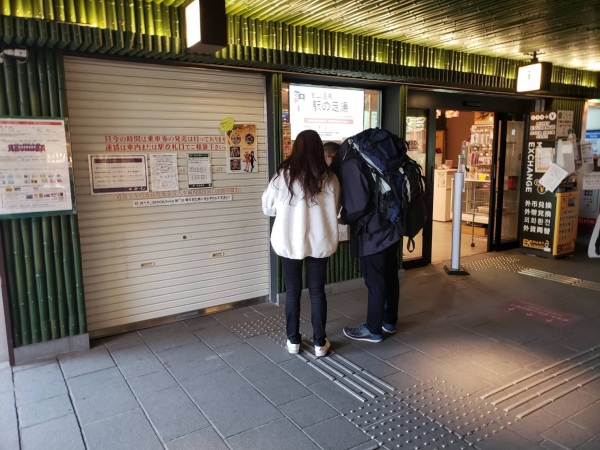 Follow me! で嵐山で活動中の風景
-
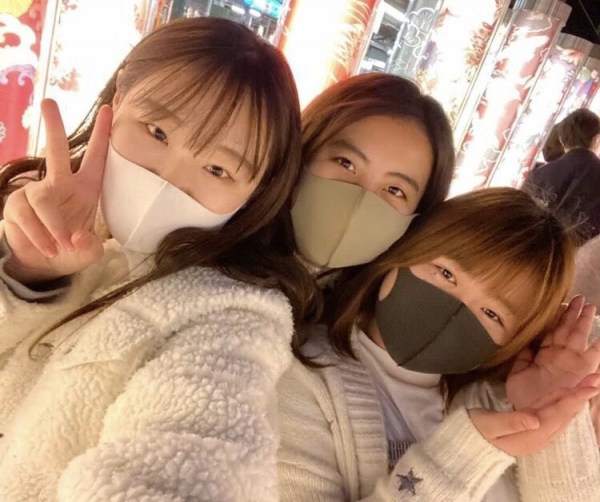 Follow me!で一緒に活動した同級生と一緒に


