


2022/11/23 22:50:00 GTゼミ紹介 Part.3
 GTゼミ活動紹介
 南ゼミ、原ゼミ、戴ゼミ
こんにちは!今回はグローバル観光学科ゼミ紹介第三弾。南先生、原先生、戴先生のゼミについてお伝えします。社会課題や観光現象などについて、様々な「交流」を通して研究していく3つのゼミは、私たちの日常や私たちを取り巻く社会の中に考える価値のある「何か」があると気が付かせてくれます。楽しんでご覧ください♪
【南ゼミ】
はるか古代、私たちが暮らす自然環境や社会はシンプルだった。社会を構成するコミュニティもまた単純だった。しかし、時代が進むにつれて社会もコミュニティも拡張し複雑になってきた。それにあわせて私たちが支障なく暮らしていくための制度、ルールも複雑になってきた。そして現代、地球レベルで社会が広がり、多様な自然環境のもと私たちは、さまざまな価値観、思想、文化をもつコミュニティのなかで、交流し関わり合いながら暮らしている。それがゆえに、それぞれの社会やコミュニティの制度、ルールだけでは解決できない問題もまた増えてきた。とくに近代以降、産業革命によってもたらされた産業の発展は、私たちに豊かな暮らを与える一方、満足できない欲と夢は、結果として自然を破壊し、社会やコミュニティ内外での不平等、排除、対立、抗争の原因にもなっている。南の政策ゼミの特色は、こうした私たちをとりまく社会課題の解決に向け、一人一人が努力することにある。みなさんは、京都外国語大学国際貢献学部でそのための理論や実践を教室やフィールドで学んできた。したがってゼミは、社会課題の解決にむけた自由なテーマ選択にはじまる。自身が関わる社会やコミュニティを観察、分析し、課題を発見し、その解決にゼミの仲間と協働しながら取り組んでいこう。誰もが暮らしやすい社会、コミュニティを目指して。
The distinctive feature of Minami's policy seminar is that each of you will make efforts to solve social issues surrounding us. You have studied theories and practices for this purpose in the classroom and in the field. Therefore, the seminar begins with the free selection of a theme to solve a social issue. Observe and analyze the society and community with which you are involved, discover the issues, and work together with your fellow seminar members to solve them, aiming for a society and community where everyone can live comfortably.
【原ゼミ】
原ゼミでは、広く観光現象全般に関する調査活動を行い、情報収集・分析力、批判的思考力、価値創造力・提案力の向上を目指しています。3年次のゼミの主な活動は、1)観光学に関する文献や資料の講読、2)グループに分かれての観光調査、3)毎月1本の読書レポートの作成(ジャンルを問わず新書1冊を読み内容を要約して紹介)です。1)については、春学期はコンテンツツーリズムとソーシャル・マーケティングに関する書籍、秋学期はUNWTOによるポストコロナのアジア・太平洋地域の観光動向に関する英文資料を取り上げ、各ゼミ生が担当箇所の内容のポイントを報告し、意見交換をおこなっています。2)について本年度は、修学旅行で京都を訪れる中高生向けの事前学修用の動画サイトの作成チームと、サステナブルな取組みを進める京都市内のホテル様への更なる改善アイデア提案の作成チームに分かれ、京都市・ホテル・旅行会社の皆様のご指導を受けつつ、資料調査やフィールドワーク調査を進めています。成果は来年2月に観光学系の大学間合同発表会で報告予定です。3)については、各人が毎月関心のある様々な領域の新書を紹介するため、全員の知的関心や教養の幅も広がっています。
The Hara Seminar aims to improve students' ability to collect and analyze information, think critically, and create and propose value through research activities related to tourism phenomena in general. For 1), the spring semester will focus on a book on content tourism and social marketing, and the fall semester will focus on an English-language document by UNWTO on post-colonial tourism trends in Asia and the Pacific. This year, the team was divided into two teams: one to create a video website for junior and senior high school students visiting Kyoto on school excursions, and the other to propose ideas for further improvement to hotels in Kyoto City that are promoting sustainable initiatives. The teams are now conducting material research and fieldwork surveys under the guidance of Kyoto City, hotels, and travel agencies. The results will be reported at a joint presentation by tourism-related universities in February of next year. 3) As for 3), each member introduces a new book every month in a variety of areas of interest, thus broadening the intellectual interests and education of all members.
【戴ゼミ】
皆さん、こんにちは。4年戴先生ゼミです。戴先生ゼミの3つの特徴についてご紹介いたします。1つ目は、プレゼンテーションのスキルが向上することです。3年次生の秋学期から毎時間1人40分間、興味関心がある論文について紹介します。4年次生になると卒業論文の構想発表や進捗報告等でプレゼンテーションをする機会が多くなります。プレゼンテーションが苦手な方でもプレゼンテーションをする機会が多いので上達します。2つ目は、留学生の方と交流する機会があることです。新型コロナウイルスの影響で留学することが難しいと感じておられると思います。実際、戴先生ゼミには多くの留学生の方が所属されておられます。留学生の方とコミュニケーションしたい方におすすめです。また、神戸でフィールドワークも行いました。3つ目は、他大学で観光を研究している大学生と交流する機会があることです。NPO法人観光力推進ネットワーク関西・学生連絡協議会という団体と関わっています。3年次生は、毎年2月頃に開催される学生研究発表会に必ず参加します。他に、城崎温泉での活動や歴史文化体験等があります。参加するかしないかは自由です。以上、戴先生ゼミでは楽しみながら研究することが可能です。
Hello everyone, this is the 4th year Prof. Dai Seminar. The first is to improve your presentation skills. Even if you are not good at giving presentations, you will have many opportunities to do so. Second, there are opportunities to interact with international students. I know that you may feel it is difficult to study abroad due to the new coronavirus. In fact, there are many international students in Prof. Dai's seminar. This seminar is recommended for those who want to communicate with foreign students. Third, there are opportunities to interact with university students studying tourism at other universities. Other activities include those at Kinosaki Hot Springs and historical and cultural experiences. Participation or non-participation is optional. As mentioned above, the Dai-sensei Seminar allows students to enjoy their research while having fun.
NPO法人観光力推進ネットワーク関西・学生連絡協議会について詳しく知りたい方は、以下のURLをご確認ください。
http://www.kankoryoku.jp/menu02.html
NPO Tourism Power Promotion Network Kansai, Student Liaison Council
http://www.kankoryoku.jp/menu02.html
-
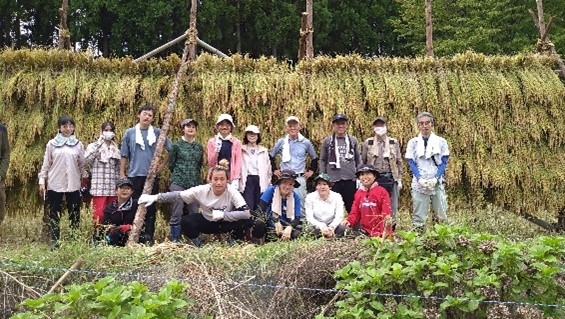 ~一粒のお米から世界が見える~ 多彩な仲間と取組む「京都外国語大学ライスフィールドプロジェクト」(越前町)
-
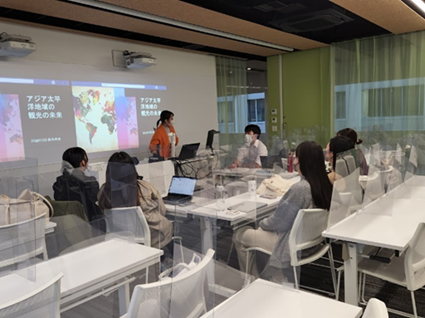 UNWTO資料講読とディスカッションの様子
-
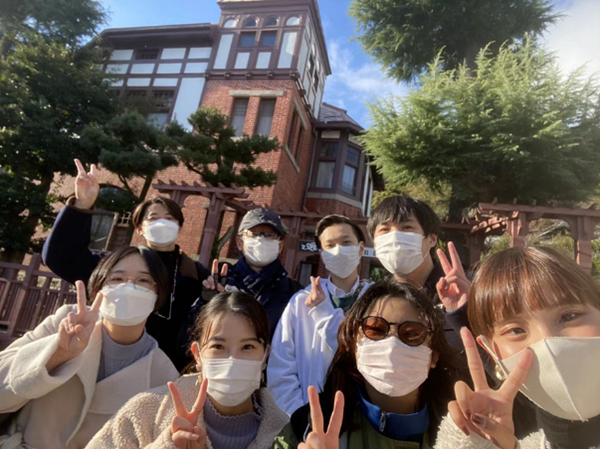 神戸でのフィールドワーク (ゼミの学生が撮影しました。フィールドワークと写真撮影は、新型コロナウイルス感染拡大防止対策を講じたうえで実施、撮影しました。)
2022/11/22 01:40:00 2022年巽神社秋祭り矢柄
- 地元紹介
- 広報隊橋本
こんにちは。京都外国語大学グローバル観光学科2回生の橋本永爾です。
今回私は、地元大阪の巽という地区で開催されている地車(だんじり)祭り「巽神社秋祭り」に参加してきました。
さて、皆さんは地車(だんじり)と聞いたとき何を思い浮かべるでしょうか?ほとんどの人は岸和田の地車祭りを思い浮かべるでしょう。それもそのはず岸和田の地車は走りながら曲がったり坂を上ったりと迫力満点で、また全国区のメディアにもよく取り上げられているため、皆さんが知っているのだろうと私は推測します。ただ、今回私が紹介する地車祭りは岸和田の地車とは全く違う、ゆっくりと移動する地車です。
私が参加した今回の地車について深堀りする前に、まず地車(だんじり)とは何ぞやということをおさらいしましょう。地車とは、唐破風の大屋根と小屋根の二段の屋根と、動くためのタイヤの役割であるコマが四つの山車(だし)のことを指し、だんじりという名称は主に関西地区で使われています。
地車にはその地域ごとに歴史があり例えば、岸和田の地車は、京都伏見稲荷を城内三の丸に勧請し、米や麦、豆、あわやひえなどの5つの穀物がたくさん取れるように(五穀豊穣)祈願し、行った稲荷祭が岸和田のだんじりの始まりと伝えられています。
ただ、私の地元の地車の歴史は、地元のおっちゃんに聞いてみましたが、「わからん」と言われてしまったので、調べてみました。私の地元「巽」では、元々明治の初めごろまで相撲や獅子舞が祭りの行事でありました。その後、平野の地車に魅せられて、村内でお金を出し合って買ったという話が「大阪のだんじり」(大阪地車研究会)にでています(福助旅 2001)。
両親から聞いたところでは、地車には大きく分けて二種類あります。「上地車」と「下地車」です。岸和田の地車は「下地車」、私の地元の地車は「上地車」に分類されています。この違いは大和川という川で主に分断されているようですが、例外も多くまたどちらの要素も兼ね備えた「折衷地車」というのも存在しているようです。
ここからは、私が参加してきた巽神社秋祭りについてお話させていただきます。私は、この地車祭りには幼少のころから参加していて、現在では青年団という祭りを運営する団体に所属させていただいています。そして、今回は祭囃子の大太鼓を叩かせていただきました。
私の地元の秋祭りでは、四種類の地車:矢柄・伊賀々・西足代・四條と布団太鼓の大地の計五種類の山車が巽神社という地元の神社へ挨拶、そして豊作への感謝を伝えにのろのろと、しかし力強く地車を押して向かい、深々とお辞儀をします。今回はここまでです。読んでいただいたすべての人に感謝。
参考文献
『「だんじり」の基本をおさらい!今さら聞けないアレコレや、由来・魅力も』
https://omatsurijapan.com/blog/danjiri-basic-info/
福助旅 2001 「大阪と祭(6)巽神社秋祭り」『市政研究』(133):56―59
Hello! I am Eiji Hashimoto and I am a student at the Department of Global Tourism at KUFS. For this blog post, I am going to write about when I took part in the Tatsumi Shrine Autumn Festival, a danjiri festival held in my home district of Tatsumi, Osaka.
What do you think when you hear the word danjiri? Most people will think about the Kishiwada Danjiri Festival. I assume that everyone is familiar with Kishiwada's festival because the danjiri are so powerful, turning and climbing hills as they run, and because they are often featured in the national media.
However, here I am going to introduce the slower danjiri of the Tatsumi Shrine.
Before delving deeper into this year's event, in which I participated, let's first review what a danjiri is. A danjiri is a type of dashi or festival float with a two-tiered bow-shaped gabled roof known as a karahafu, that sits on four wheels.
Each region has its own version of this festival. For example, the danjiri in Kishiwada is said to have started as a festival held to pray to the kami Inari for a good harvest of the five grains of rice, wheat, beans, millet and rye.
However, I don't know the history of my local danjiri festival. I did ask a local man about it, but he told me he didn't know. So I did some library research. A source said that originally sumo wrestling and lion dances were festival events until around the beginning of the Meiji period. Later, the village was attracted to the jiguruma of Hirano, and according to the story told in "Osaka's Danjiri" (edited by Osaka Jiguruma Kenkyukai), the villagers pooled their money to buy a jiguruma (福助旅 2001).
According to my parents, there are two main types of danjiri: Kami danjiri and Shimo danjiri. Kishiwada is categorized as Shimo danjiri, and my local festival is classified as Kami danjiri. This difference seems to be what side of the Yamato River the festival is held, but there are many exceptions, and it seems that there are also some festivals that have both elements.
I have been taking part in the Tatsumi Shrine Autumn Festival since I was a child, and now I belong to a youth organization that helps run the festival called Seinendan. This time I had the opportunity to play the big drum and contribute to the matsuribayasi - the music of the festival.
At the Tatsumi Shrine Autumn Festival, five types of floats - Yagara, Igaga, Nishiashiajiro, Shijo, and Oji - head slowly but deliberately towards the Tatsumi Shrine to express thanks for a good harvest. Thanks to everyone who read this!
-
 祭囃子の大太鼓
-
 集まる地車:矢柄・西足代・伊賀々
-
 巽神社へお辞儀する地車
2022/11/19 22:00:00 韓国留学現地リポート
- 留学関係
- 3年次 大徳真実
こんにちは!グローバル観光学科3年次生の大徳真実です。私は今年の5月から韓国に語学留学しています。今回は、韓国での生活や語学堂の様子についてお伝えしたいと思います。
入国した日は、コロナ禍でずっと行けなかった韓国にいることが信じられず、嬉しさと、海外で1人で生活できるのかという不安が少しありました。実際に生活してみると、韓国語が話せなくても、単語やジェスチャーで伝えることができました。今は自分の言いたいことを伝えたい気持ちが大きくなり、韓国語を頑張ろうというモチベーションに繋がっています。
交通機関は、地下鉄、バスをメインに利用します。日本よりも安い交通費で遠くまで行くことができます。しかし、バスが少し難しく、よく聞いていないと乗り過ごしてしまうので、乗る時は少し緊張します。食事は基本外食で済ますことが多いです。韓国の食べ物は辛いものばかりのイメージですが、辛くない食べ物も沢山あり、キンパや屋台のおでんなどは安くてとても美味しいです!
学校が始まってからは、クラスの子たちとカフェや夜ご飯を食べに行ったり、漢江(ハンガン)に行って自転車に乗ったりもしました。私はk-popアイドルが好きなので、ライブやアイドルの出退勤なども見に行っています。さらに韓国の大学の学祭は、アイドルが大学に来てステージを披露するので、k-popが好きな方にはとっても魅力的ですしおススメです!韓国に来て2ヶ月経ちましたが、まだまだ行きたい場所、やってみたいことがたくさんあるので、限られた時間で色んな経験をしていきたいです。
次に語学堂についてです。私はソウルにある、한양대학교 (ハニャン大学)という大学の語学堂に通っています。クラスは1〜6級まであり、レベルテストの結果で、自分のレベルに合ったクラスに分けられます。私のクラスの人数は14人いて、日本6人、中国4人、ドイツ2人、スウェーデン1人、マレーシア1人と、アジア出身が多いですが、意外と多国籍なクラスです。最近は、授業にも慣れ、習った韓国語を使って会話したり、わからない時は英語や、翻訳機を使って違う国籍の子たちと話すようになりました。言語の違いの不安もありますが、怖がらずに自分からたくさん話すことが大事だと思います。語学堂には韓国人の方が先生しかおらず、韓国人と直接関わる機会が少ないため、韓国人と交流できる場を探し、日常で韓国語を話す機会を増やしてこうと思います。
Hello everyone! I’m Mami Otoku and I am a student at the Department of Global Tourism. I have been studying abroad in Korea since May this year. Today, I’m writing this article to tell you about life in Korea and the language school I attend.
On the day I arrived, I was happy to finally be in Korea and a little anxious. When I started living here, even though I could not speak Korean, I was able to communicate with a few words and gestures. Now it’s been a few weeks and I want to be able to speak more, so I am trying my best to study Korean.
Transportation is mainly by subway and bus. You can go farther paying less than you would in Japan.
I often eat out for meals. Korean food has the image of being all spicy, but there are many non-spicy foods that are also very tasty! After the semester started, I began going out with my classmates to cafes, to eat dinner at night, and I even went to the Han River (Hangang) to ride my bike. I like K-pop, so I also get to see concerts and the K-pop stars at fan events. Plus, Korean university festivals, where these stars sometime come on campus and perform on stage, are fun, and I highly recommend them if you like K-pop!
It has been two months since I came to Korea, but there are still many places I would like to visit and things I would like to try, and I want to experience everything I can in the limited time I have here.
Next, I would like to talk about the language school I am attending. My school is located inside a university in Seoul called 한양대학교 (Hanyang University). There are classes from level 1 to level 6, and students are placed in the class that best suits their level based on the results of a placement test.
There are 14 students in my class, 6 from Japan, 4 from China, 2 from Germany, 1 from Sweden, and 1 from Malaysia. Many students are from Asia, but the class is surprisingly multinational. I have become accustomed to the class and have started using the Korean I have learned to converse, and when I don't understand something, I use English or a translation device to communicate with my classmates.
I am anxious about the language difference, but I think it is important to speak a lot without being afraid. Since I do not have many opportunities to interact directly with Korean people, I would like to find a place where I can interact with local people and so increase my opportunities to speak Korean in my daily life.
-
 「文化授業」
-
 BTSのアルバム撮影地で
-
 韓国の市場
2022/11/15 13:30:00 GTゼミ紹介 Part.2
- GTゼミ活動紹介
- 吉兼ゼミ、松瀬ゼミ、河上ゼミ
皆さんこんにちは!グローバル観光学科ゼミ紹介、第二弾となる今回は吉兼先生、松瀬先生、河上先生のゼミをピックアップしています。それぞれ異なる視点から「コミュニティ」について考える力を育んでいる3つのゼミ。そんなユニークなゼミ活動の様子を少し覗いてみては?
Hello everyone! In this second installment of the Department of Global Tourism seminar introductions, we pick up the seminars of Prof. Yoshikane, Prof. Matsuse, and Prof. Kawakami. Each of these three seminars is fostering the ability to think about "community" from different perspectives. Why don't you take a peek at these unique seminar activities?
【吉兼ゼミ】
吉兼ゼミは自分の関心ある事柄を各自が選び、プレゼンを通して本当に関心あるテーマに深めていきます。多くの人が参加でき、気楽に新たなテーマにも取り組めるよう発表時間を短く(10分以内)し、雑談の気分も許される内容で行います。4月以降10回以上もプレゼンし、段々と自分のテーマが見えてきた人もいます。形式も文献紹介、体験報告、事例紹介、オタク披露など多岐に渡ります。テーマもエシカル消費、ワーケーション、バイク生活、アートと観光、美容、文学、サウナ、故郷研究など様々です。人前でプレゼンすることを通して自分の関心を再確認し、他人のプレゼンを聞いて幅広いテーマや研究手法の存在に気づきます。一方先生が塾長を務める明日香村(国営飛鳥歴史公園内の古代村)でのワークショップ体験も大事なゼミ活動です。5月には古代住居の倉庫づくりと野草積みから始まる野草天ぷらづくりを行いました。11月にはイベントに参加し、竹ごはんや大学芋、飛鳥鍋づくりを行い、観光客に振る舞いました。また古代衣装に着替えて古代楽器演奏家の方々の背景役を試みました。12月には古代住居の屋根の葺替えなど環境整備の作業を行います。気楽でホッとするゼミです。
In the Yoshikane Seminar, each student chooses an issue of interest to him or her and deepens the theme of his or her real interest through presentations. Since April, some students have presented more than 10 times and have gradually found their own themes. The format varies widely, including literature introductions, reports on experiences, case studies, and geek shows. Themes include ethical consumption, workcation, motorcycle lifestyle, art and tourism, beauty, literature, sauna, hometown research, and many more. By presenting in front of others, participants reconfirm their own interests and become aware of a wide range of themes and research methods through listening to other people's presentations. On the other hand, the workshop experience at Asuka Village (an ancient village in the National Asuka Historical Park), where the professor serves as president, is another important seminar activity. In May, we built a warehouse of an ancient dwelling and made wild grass tempura starting with piling up wild grass; in November, we participated in an event and made bamboo rice, taro, and Asuka nabe, which we served to tourists. In December, we will work on environmental maintenance, such as re-thatching the roofs of ancient dwellings. It is an easygoing and relaxing seminar.
【松瀬ゼミ】
このゼミでは、Positive Organizational Development(POD)をテーマに、観光や地域政策に関する興味深い現象や事例を取り上げ経営理論の尺度から深掘りしていきます。P.O.D.とは人の潜在力や生きる力、秘めたエネルギーに焦点をあてて、地域や組織を活性化するアプローチです。これまでの組織変革や改善のアプローチは一般的にギャップ・アプローチであり、あるべき姿と現状の「差」を問題として特定した上で原因を要素還元し「最適解」を導き出す方法でした。こうしたやり方は、目的が明確でいわゆる静的な環境下においては効果的です。しかしながら外部環境の変化が激しく、多様性や複雑性が増している今の時代にこのやり方を採用すると、目的や方法に納得感が得られないどころか、想定通りの結果につながらず変革が停滞します。一方でPODでは人や組織の強みや価値に焦点を当て、多様な強みの連鎖連携を創出することでより次元の高い成果創出に向かう推進力を生みだすことが可能です。学生はコミュニティエンゲージメントを推進する上で必要な理論を学習し、変革エージェントとしての現場に介入してリーダーシップを高めることができます。
The Matsuse seminar focuses on the theme of "Positive Organizational Development (POD)," and examines interesting phenomena and cases related to tourism and regional policies from the perspective of management theory. P.O.D. is an approach to revitalize regions and organizations by focusing on people's latent potential, life force, and hidden energy. POD, on the other hand, focuses on the strengths and values of people and organizations, and by creating a chain linkage of diverse strengths, it is possible to create a driving force to create higher-level results. Students can learn the theory necessary to drive community engagement and enhance their leadership skills by intervening in the field as change agents.
【河上ゼミ】
河上ゼミは現在、「グローカルな地域貢献」を合言葉に、日本の地方社会と海外をつなげる取り組みをしています。具体的には、戦前にカナダへ移民を送り出した和歌山県美浜町三尾地区を拠点に、さまざまな活動をさせていただいています。2022年度は、4年次生が三尾で夏の合宿をおこなったほか、有志が卒業研究としてカナダ・ミュージアム企画展のVR化に取り組みました。3年次生は、海洋プラスチックやシーグラスを活用した作品づくりを通してSDGsを意識した教育観光事業をおこなう海猫屋様と連携し、パンフレットの英・中・韓への翻訳や東京国際展示場での出展サポート、新商品開発にむけた制作協力などに取り組んでいます。中国、台湾、韓国、日本の学生がいるので、情報収集は日本語以外でもおこない、互いに共有しています。地域の方々と交流しながら、新しい挑戦への試行錯誤をいつもしている真面目ながら愉快な仲間たちの揃うゼミです。
The Kawakami Seminar is currently working to connect Japan's rural communities with the rest of the world under the slogan "Glocal Community Contribution. In fiscal year 2022, the fourth-year students held a summer camp in Mio, and volunteers conducted their graduation research at Mio, Wakayama Prefecture. In 2022, the fourth-year students held a summer camp in Mio, and a volunteer group worked on a VR project for the Canada Museum exhibition as their graduation research. The third-year students worked with Umi Nekoya, an educational tourism business that promotes SDGs awareness through the creation of artwork using marine plastics and sea glass. >We are working with a Japanese company, "UMINEKOYA", to translate pamphlets into English, Chinese, and Korean, to support their exhibition at the Tokyo International Exhibition, and to cooperate in the development of new products. We are a group of serious yet fun-loving students who are always trying new challenges.
-
 古代衣装でおもてなし(明日香村のイベントにて)
-
 新商品開発中!
2022/11/12 08:50:00 初めての大規模な音楽ライブ鑑賞
- 学生生活
- 広報隊星野
皆さん、こんにちは!グローバル観光学科1年次生の星野太希です。11月に入ってより寒くなり、2022年も残りあと2か月となりました。私自身の2022年は、大学受験をして合格したというのが一番印象に残っていますが、他にもいろいろな「初めて」がありました。その中でも、一番思い出に残っている「初めての大規模な音楽ライブ鑑賞」について書いてみたいと思います。
2022年の10月21日、私は「Night Ranger」というロックバンドの来日ライブを見に行きました。Night Rangerは1982年にデビューしたアメリカのロックバンドです。彼らの1作目である「Dawn Patrol」は、超絶テクニックの2人のギタリストの演奏「ツインリードギター」と、楽曲によってドラマーとベーシストの2人がそれぞれ歌い分ける「ツインヴォーカル」が魅力的なアルバムで、当時のアメリカで流行りつつあった「LAメタル(代表バンドはBON JOVIなど)」というジャンルにマッチしていたということもあり、彼らは本国や日本で多くのファンを獲得しました。Night Rangerのデビュー当時、日本では、彼らを含む海外のロックバンドは、現代でいう韓国アイドルのように、音楽面だけでなく、ルックスも人気の一つだったといわれています。
2022年は彼らにとってデビュー40周年という節目を迎えます。その記念ライブということで本国や日本でライブを開催するとのことでした。私はこのライブのことについて知った時、「今まで好きなバンドのライブはYouTubeにある過去に行われたものしか見たことがないけど、実際の目で見るライブは一体どんなものなのだろう?見てみたい!」という思いが沸き上がり、会場である東京の昭和大学人見記念講堂に、高校生の時に知り合った、音楽の趣味がすごく合う友達と一緒に行ってきました。
実際に見た感想ですが、「今までミュージック・ビデオだったり、YouTubeに載ってある過去に行われたライブの映像だったりでしか見ることができなかったメンバーが、今目の前で演奏している!」と、当たり前の事なのですが、まるで信仰していた神様が目の前に現れたような衝撃を終始受けていました。メンバーの方々は皆40歳を超えているのにすごくパワフルで、彼らより断然若い私の方が逆に元気づけられる、そんな凄いパフォーマンスだと感じました。
私自身他にも好きなバンドはたくさんあり、それらの中には近々来日するかもしれないとファンの中で噂されているバンドもいます。初めて味わった大規模音楽ライブの興奮を目当てに、自分の都合と相談しながらになりますが、また行こうと思います。
Hello everyone! I am Taiki Hoshino, and I am a first-year student in the Department of Global Tourism. It's November, the weather is getting colder, and there are only two months left in the year. My own "first" for 2022 is that I took and passed the university entrance exam, but there were many other "firsts" as well. Among them, I would like to blog about the most memorable one, which was my first time to attend a large-scale concert.
On October 21, 2022, I went to see a live concert by a rock band called Night Ranger. Their first album, Dawn Patrol, featured twin lead guitars played by two guitarists with superb technique and twin vocals sung by the drummer and bassist, depending on the song. At the time of their debut, foreign rock bands were popular in Japan not only for their music but also for their looks, just like Korean idols are today. This year marks the 40th anniversary of their debut. They were going to hold a live concert in the US, their home country, as well as in Japan to commemorate this milestone. When I heard about the concert, I thought to myself, "I have only seen my favorite bands live on YouTube in the past, but what would it be like to see them live? I want to see them!” So I went to the venue, Showa University Hitomi Memorial Auditorium in Tokyo, with a friend of mine from high school who has very similar musical tastes.
I saw the band members perform live, which I had only been able to see in music videos and videos of past concert performances on YouTube. I was shocked to see them perform right in front of me. The band members are all over 60 years old, but they are so powerful and I was so energized by their amazing performance.
There are many other bands that I like, and some of them are rumored to be coming to Japan soon. I will have to check my schedule, but I definitely intend to experience the excitement of a large-scale live music concert again.
-
 ライブ会場の人見記念講堂。ライブ開始前なのにものすごくドキドキしました。


