


2021/07/14 23:00:00 学生のメディアプロジェクトショーケース
 イベント
 KUFSGT
オーグメンテッドリアリティ、バーチャルリアリティ、ビデオ制作、ゲームデザインに関する学生のプロジェクトをご覧ください。
この機会に、最新のテクノロジーを駆使した素晴らしいクリエイティブなメディアプロジェクトをご覧ください。
イマーシブ・ツーリズム・ワークショップ」「ニューメディア・ラボ」「ゲーム・ベースド・ツーリズム」という3つのクラスの学生が、それぞれのメディアプロジェクトを披露してくれます。 このショーケースでは、様々な面白いビデオ、ゲーム、VRツアーなどをご覧いただけますので、ご期待ください。
8月1日 10時~17時
YouTube Live
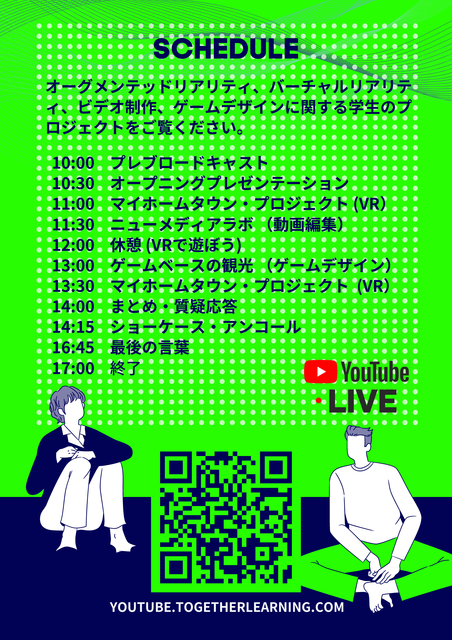
SCHEDULE
10:00 - プレブロードキャスト
10:30 - オープニングプレゼンテーション
11:00 - マイホームタウン・プロジェクト (VR)
11:30 - ニューメディアラボ (動画編集)
12:00 - 休憩 (VRで遊ぼう)
13:00 - ゲームベースの観光 (ゲームデザイン)
13:30 - マイホームタウン・プロジェクト (VR)
14:00 - まとめ・質疑応答
14:15 - ショーケース・アンコール
16:45 - 最後の言葉
17:00 - 終了
Community Media Showcase
This will be an opportunity to see all of the wonderful and creative media projects are doing with the latest in technology.
Students from three classes called Immersive Tourism Workshop, New Media Lab, and Games Based Tourism will show off their media projects for us. Expect to see a variety of interesting videos, games, and VR tours in this showcase.
August 1st, 2021
10am - 5pm
Pre-Broadcast 10:00am
Welcome 10:30am
My Hometown Project 11:00am
New Media Lab 11:30am
Break 12:00pm
Game Based Tourism 1:00pm
My Hometown Project 1:30pm
Wrap-up / Q&A 2:00pm
Student Video Showcase Encore 2:15pm
Final Words 4:45
End 5:00pm
Participate here

2021/07/10 21:20:00 善峯寺について Yoshimine-dera Temple
- 学生生活
- 広報隊石橋
こんにちは。グローバル観光学科3年次生の石橋尚子です。毎日、蒸し暑くジメジメとした天気で滅入りそうです。春学期も残り約1ヶ月となりましたが、皆さん如何お過ごしでしょうか。
今回は京都市西京区にあるお寺、善峯寺についてです。西国三十三所の二十番目に当たるお寺で、平安時代中期の1029年に開かれました。多くの天皇が寄進をされ、沢山の僧坊(僧侶が住む建物)がありましたが、応仁の乱で多くが焼けてしまいました。江戸時代に徳川幕府の五代将軍の徳川綱吉の母である桂昌院によって観音堂など沢山のお堂が再建されています。徳川将軍の生母になった桂昌院のゆかりの地のため、開運出世のお寺としても知られています。また、病気平癒や入試合格の御守りも有名です。
国指定天然記念物の「遊龍の松」が有名です。横に長く植わっている大きな松で、まるで龍のように見えます。また、境内にはとても広い回遊式庭園があります。私が訪れた時は、数多の紫陽花が咲いており、遠くに見える京都の市街地も相まって、壮麗な景色が広がっていました。紫陽花は6月~7月が見頃ですが、8月になると次は百日紅が花を咲かせます。その後は菊と紅葉と、四季折々の花を楽しめます。一年中綺麗な花と景色が見れるなんて最高ですね!どの季節にも行きたいです。
阪急東向日駅もしくはJR向日町駅から1時間に1本だけ善峯寺行きのバスが出ており、30分ほど揺られると着きます。皆さんも時間があるときに、足を延ばしてみてはいかがでしょうか。
参照ウェブサイト:善峯寺公式ホームページ
Hello! I'm Naoko Ishibashi, a third-year student in the Department of Global Tourism. The weather is hot, humid and gloomy every day, and it’s starting to get me down a little. There is only about a month left in the spring semester, so how is everyone doing?
I would like to introduce Yoshimine-dera Temple in Nishikyo-ku, Kyoto City. Established in 1029, Yoshimine-dera is number 20 of the 33 temples that make up the traditional Buddhist pilgrimage trail here in the western part of Japan. Several emperors donated money to the temple, and there were many monks' quarters, but a lot of these structures burned down during the Onin War. In the Edo period (1603-1868), many structures were rebuilt, including the Kannon Hall by Katsuragi Shoin, the mother of Tsunayoshi Tokugawa, the fifth shogun of the Tokugawa Shogunate, which is also why the temple is known for its charms for healing from illness and passing entrance exams.
The temple is famous for the yūryū no matsu - the "gliding dragon" pine tree, which is a natural monument. It is a large pine tree that has been encouraged to grow horizontally and looks like a dragon. There is also a very large circular garden on the temple grounds. When I visited, there were many hydrangeas in bloom, and combined with the city of Kyoto in the distance, it made for a memorable sight. The best time to see the hydrangeas is from June to July, but in August, the crape myrtle flowers bloom and that’s also a good time for a visit. After that, there are chrysanthemums and autumn foliage, so you can enjoy the best of each season regardless of when you visit.
Buses for Yoshiminedera depart once an hour from Hankyu Higashi-Mukō Station and JR Mukōmachi Station, and it takes about 30 minutes to get there. Why not plan a visit and check it out?
-
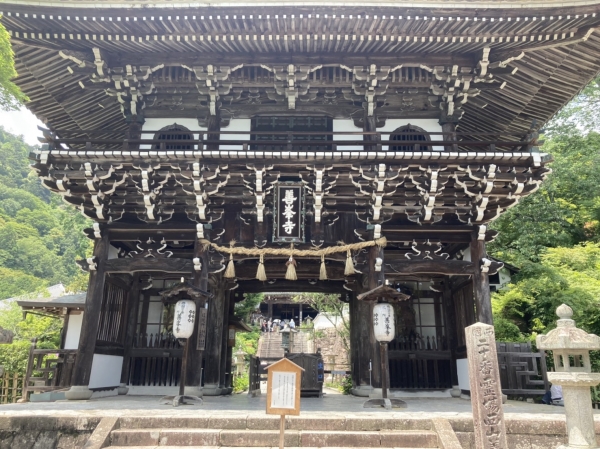 善峯寺の門
-
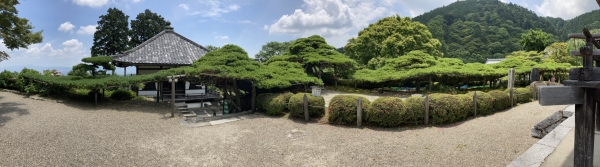 遊龍の松
-
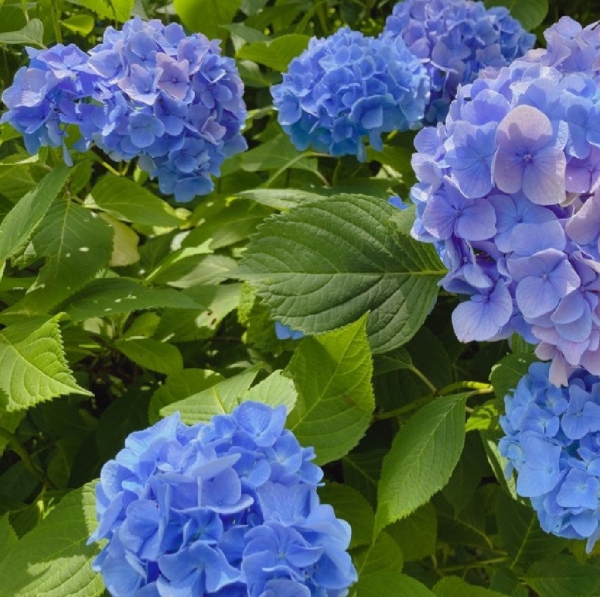 紫陽花
2021/07/08 03:00:00 河上先生ゼミからの活動紹介
- GTゼミ活動紹介
- 4年ゼミ生野口真央
こんにちは。グローバル観光学科4年次生の野口真央です。突然ですが、皆さんはトーテムポールについてどんなイメージをもっていますか?
私は現在、河上先生のゼミでトーテムポール観光について調査をしています。なぜ、トーテムポールに興味を持ったのかというと、ゼミでプロジェクト連携している和歌山県美浜町三尾という地区に今年の5月、カナダから寄贈されたトーテムポールが建てられたからです。今回はトーテムポールの現状を調査して分かったことをお伝えします。
そもそもトーテムポールというのは、岸上 (2021)、立川 (2020)によるとレッドシダーという木を利用し、そこに人間や動物、伝説の生き物などを彫った北西海岸先住民が制作する柱のことをいいます。北西海岸先住民は北米のアラスカ州からカリフォルニア州に広がって住んでいる12部族のことを指します。特にトーテムポールはカナダのブリティッシュ・コロンビア州沿岸地域の先住民のものが多いようです(細井 2015)。
実際、トーテムポールは様々な役割があります!家の支柱の役割を果たす家柱、特別なイベントを記念して立てる記念柱、お墓の役割を果たす墓標柱など全部で8種類あります(細井 2015)。しかし現在は、記念柱として建てられることが多いそうです。私はモニュメントとして置いてあるイメージだけだったので、本来はこのように多くの種類があることに驚きました!
インターネットで日本にあるトーテムポールの設置場所を検索すると、33カ所ありました。そのうち、先住民の方が彫られたトーテムポールが置いてある場所は15カ所でした。特に北海道が4カ所と1番多かったです。2019年に日本の法律で先住民族として位置づけられたアイヌ民族と何か関係があるのかなと推測しました。また、北米先住民のトーテムポールが日本に寄贈される理由として、姉妹都市・姉妹港を記念して設置されることが多いことも分かりました。しかし、観光資源としてトーテムポールを利用している地域はほとんど見受けられませんでした。そこで現在、観光資源として活用し、何か地域に貢献出来ないかと計画しているところです。
関西では、2020年6月に大阪吹田市の国立民族学博物館に、また2021年5月に和歌山県美浜町三尾地区のカナダミュージアムに北西海岸先住民の方が彫刻した国内では最新のトーテムポールが建てられています。コロナが落ち着いて時間があるとき、是非見に行ってみてください!
参考文献
岸上伸啓 (2021) 「国立民族学博物館のビル・ヘンダーソン制作のトーテムポールについて」『国立民族学博物館研究報告』45(4), pp.655-680
立川陽仁(2020)「トーテムポール : 北西海岸アートの歴史といま (特集 先住民のいま)」『季刊民族学』44(1), pp.74-85
細井忠俊 (2015)『トーテムポールの世界 北アメリカ北西海岸先住民の彫刻柱と社会』彩流社
Hello. I'm Mao Noguchi, a fourth-year student in the Department of Global Tourism. Here is a question for you. What kind of image do you have of totem poles?
I am currently doing research on totem pole tourism in Professor Kawakami's seminar. The reason why I am interested in totem poles is because a totem pole was recently raised in the Mio district of Mihama Town, Wakayama Prefecture, where we are collaborating on a project in our seminar. In this article, I would like to share with you what I learned from my research on the current status of totem poles in Japan.
According to Kishigami (2021) and Tachikawa (2020), totem poles are monumental pillars made of red cedar wood and carved with human figures, animals, and legendary creatures. Indigenous peoples of the Northwest Coast refer to a group of 12 tribes that live in North America, spread from Alaska to California. Particularly, the indigenous peoples of the coastal region of British Columbia, Canada have created many totem poles (Hosoi 2015).
Indeed, totem poles serve many purposes! There are a total of eight types, including house poles, which serve to support a house, memorial poles, which are erected to commemorate special events, and grave marker poles, which serve as graves (Hosoi 2015). At present, however, they are mostly built as memorial pillars. I only had an image of them being placed as monuments, so I was surprised to learn that there were originally so many different types!
When I searched the Internet for locations of totem poles in Japan, I found 33 locations. Among them, 15 had totem poles carved by indigenous people. Hokkaido had the highest number of totem poles, with four, and I guessed that they had something to do with the Ainu people, who were designated as an indigenous people under Japanese law in 2019. I also learned that the reason why Native North American totem poles are donated to Japan is because they are often installed to commemorate sister cities and sister ports. However, there were few areas where totem poles were used as tourism resources. Therefore, we are now planning to use them as a tourism resource to contribute to the region in any possible way.
Currently, some of the newest totem poles in Japan are located in the Kansai area. You can see them at the National Museum of Ethnology in Suita City, Osaka and at the Canada Museum in the Mio district of Mihama Town, Wakayama Prefecture. When the Covid 19 pandemic settles down, I recommend you visit these places to see the totem poles!
-
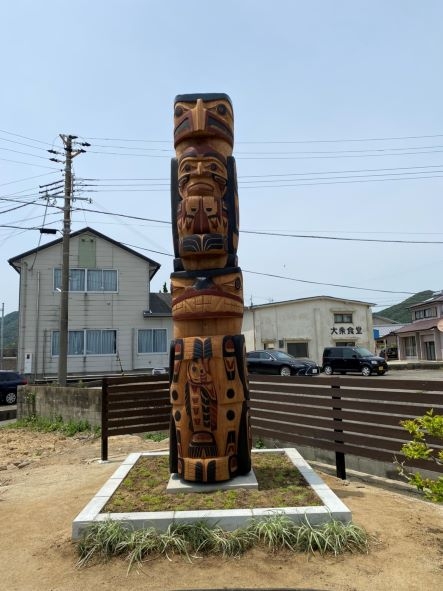 和歌山美浜町三尾地区のトーテムポール(写真提供:大江亮輔氏)
-
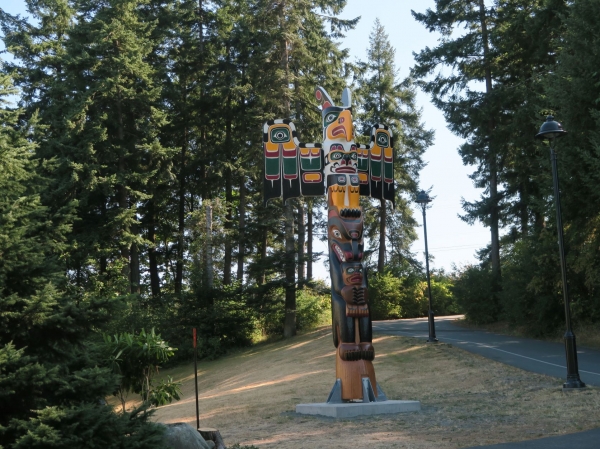 カナダキャンベルリバー博物館のトーテムポール(写真提供:岸上伸啓氏)
-
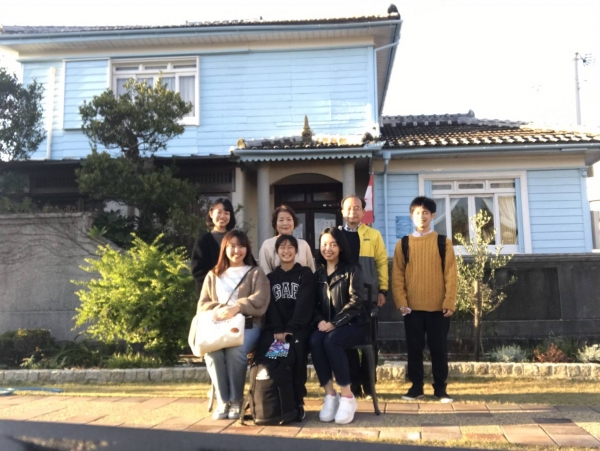 昨年秋に訪れたカナダミュージアム前で地域の方々と(撮影時のみマスクをとりました)
2021/07/02 21:50:00 風鈴をアレンジしよう! Let's make a one-of-a-kind wind chime!
- 学生生活
- 広報隊下川
こんにちは!グローバル観光学科3年次生の下川紗良です。少しずつ暑くなってきましたね!京都はこれからもっと暑くなるので、登下校時はしっかりと水分補給をして熱中症に気をつけてくださいね!
今回は、風鈴を自宅にあるものでアレンジするアイデアを紹介していきたいと思います。小さい小物を自分好みの柄やデザインにするとテンションが上がると思います!でもDIYはちょっとハードルが高い…。そのため、手軽に可愛い季節物を作れないか試行錯誤して、風鈴のアレンジを思いつきました。
風鈴を含めアレンジに使用する材料は、百円均一ショップなどに置いていますので、休日やオンライン授業の合間に作ってみてはいかがでしょうか。
*材料・道具*(写真1参照)
風鈴(絵柄のないもの・または除光液で絵柄を落としたもの)
お好みの柄のマスキングテープ1~2種類やシールなど風鈴に貼りたいもの
イヤリング1セット
はさみやカッターナイフ
*作り方*(写真2参照)
1. 風鈴の短冊を外します。
2. イヤリングを短冊のついていた紐に括り付けます。
(その際、イヤリング同士の高さを少しずらしておくのもおしゃれだと思います!)
3. マスキングテープを風鈴のガラスの部分に巻き付けます。
(大きさの違うマスキングテープを巻くとさらに可愛い!・光を通すシールでステンドグラス風にも!)
完成した風鈴は日光に当ててみたり、暗くした部屋で灯りを入れてみたりするのも違った雰囲気があって面白いと思います!よりクオリティを追求するならば、タイル風のシールを敷き詰めてステンドグラス感を強くする、マスキングテープの模様の部分をカッターでくり抜くと幻想的な灯りになると思います。(写真3参照)イヤリングは紐で結ぶだけなので、その日の気分で変えることができます。
風鈴を最初から組み立てるのはとても大変ですが、既存のものをアレンジするだけなので、音がならない心配も、専門的な工具や知識も必要ありません。風鈴の音色が、オンライン授業や対面授業で疲れた心を癒してくれるはずです!本格的な夏を迎える前に、ぜひあなたのとっておきの風鈴を作ってみてください!
Hello! I'm Sara Shimokawa, a third-year student in the Department of Global Tourism. It's getting hotter little by little, and it's only going to get hotter in Kyoto, so please make sure you drink plenty of water on your way to and from school - and be careful of heat stroke!
Here I’m going to introduce some ideas for making a one-of-a-kind wind chime with items you may already have at home. I went through a process of trial and error to see if I could make something cute and seasonal, and what I came up with was this unique, personalized wind chime. These materials used can be found at any hundred-yen store.
What you’ll need: materials and tools (see photo 1)
- A wind chime (without patterns or with patterns removed with a light removing solution)
- 1 or 2 kinds of masking tape or stickers of your favorite pattern to put on the wind chime
- 1 set of earrings
- A pair of scissors or a cutter knife
How to accessorize your wind chime (see photo 2)
1. Remove the strips from the wind chime.
2. Tie the earrings to the string attached to the strip (I think it looks good to have the earrings at slightly different heights)
3. Wrap masking tape around the glass part of the wind chime (It would be even cuter if you wrap masking tape of different sizes! You can also use stickers that let light through to create a stained-glass look!)
The finished wind chimes look great in sunlight, or you can even light them up in a darkened room to create a different atmosphere. If you want a higher quality result, you can use tile-like stickers to make it look more like stained glass or use a cutter to cut out patterns on the masking tape. (See photo 3.) You can swap the earrings out according to your mood.
The sound of the wind chimes should soothe your tired mind after all those online and face-to-face classes! Before the full-blown summer heat arrives, please try making your own unique/personalized wind chime!
-
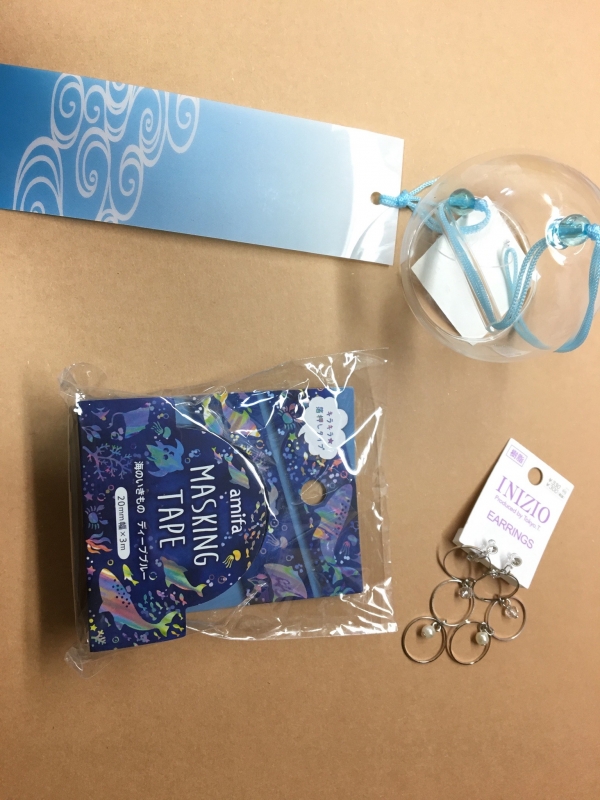 写真1:材料一式
-
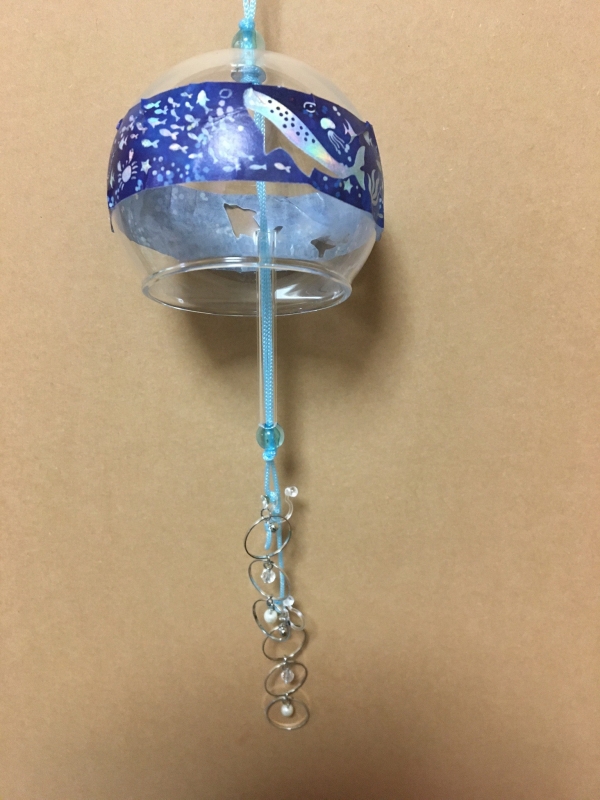 写真2:風鈴完成
-
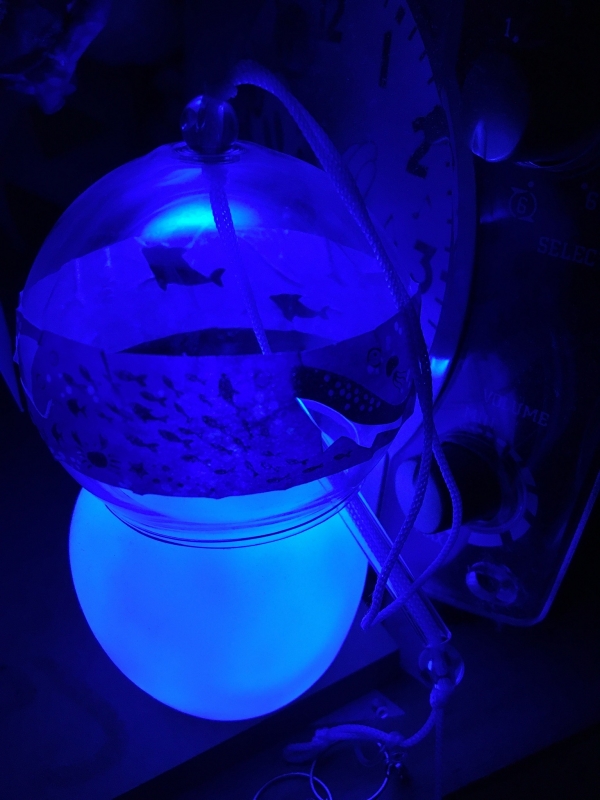 写真3:風鈴ライトアップ
2021/07/01 22:50:00 戴先生ゼミからの活動紹介
- GTゼミ活動紹介
- 4年ゼミ生大北真菜
みなさんこんにちは!グローバル観光学科4年次生の大北真菜です!今回は私が所属している「戴老师ゼミ」について紹介します。
戴ゼミは、男性1名、女性11名という男女比に偏りがあるゼミメンバーですが、毎週仲良く調査や討論を行っています。どんなことを調査・討論しているかと言うと、日中韓の「マイクロツーズム」についてや、日中韓の視点から、各それぞれが書く卒業論文について話し合っています。
さて、お気づきでしょうか?日中韓?そうなんです!私たちのゼミの最大の強みは日本人だけではなく中国や韓国からの留学生が多くいることです。それを活かすことで、同時に3カ国の文化や背景を知ることが出来るんです!22年間生きてきて、初めて知る中国や韓国の歴史や文化を初めて知ることがとても多く、日々勉強になっています。
また、私たちたち戴ゼミはHSK4級の資格を持つ人がほとんどです。HSKというのは漢語水平考試という中国語運用能力を測る試験で、中国語に自信が持てますし、就活にも使えちゃいます。それを1発合格出来たのは、戴老师ゼミに所属する大学院生の中国出身の先輩方に直接中国語を教わることが出来るからです。毎週月曜日から金曜日まで1時間、ボランティアで中国語の勉強会を開いてくれたおかげで、楽々合格することができました。また、仲良くなった先輩と一緒に中国料理の火鍋も一緒に食べに行ったりとプライベートでも仲良しです。
プライベートで仲良しといえば、戴ゼミ全体もとっても仲良しなんです。フィールドワークで神戸に行きました。超本格的、戴老师御用達こ中国料理にみんなで食べに行ったり、日中関係の博物館で勉強したり、中華街やメリケンパーク を散歩したりと、オンオフがしっかり出来るところが戴ゼミメンバーの魅力でもあります。
今後も日中韓に関する知識の幅を広げて、それを実際に実践したり、受け入れたり、様々な形で活躍していきたいと思います。最後までご拝読ありがとうございました!
-
 神戸のフィールドワークの際に訪れた日中関係の博物館です。神戸と中国の意外な関係も学ぶことができました。
-
 夕食前のお散歩。お腹を空かせるために有名なポートタワー周辺を海風にあたりながらみんなで散歩しました。


