


2023/12/22 23:00:00 西陣織でつむぐゴッホと浮世絵展に行ってきました!
 ニュース
 広報隊廣田
皆さんこんにちは!グローバル観光学科2年次生の廣田歩夢です。12月に入り、自分の部屋で使用しているカレンダーに掲載されているオーロラの写真を見ていて人生で一回は自分の目で見たいなと思っている今日この頃です。さて今回のブログでは、先日訪れた西陣織あさぎ美術館で実施されていた「西陣織で紡ぐゴッホと浮世絵展」について紹介をしていきます。
まずは西陣織あさぎ美術館への詳細情報です。立地は阪急烏丸駅より徒歩5分の場所にあります。烏丸駅から京都駅方面に歩いていくと右手に立っています。大学生の入館料は400円です。1階でチケットを購入した後、エレベーターを使って7階に向かいます。
展示は西陣織を作るときに原料となる絹糸の展示や西陣織がこれまで辿ってきた歴史の紹介から始まります。西陣織は5~6世紀に、現在の太秦辺りに渡来人が住み着いて養蚕・絹織物の技術を伝承したことが起源とされています。そこから約1500年、時代毎の進化を遂げながら現代まで伝承されています。さて、ここで皆さんにクイズです。西陣織はなぜ西陣織というのでしょうか?時をさかのぼること、1467年。歴史の授業で「人よむなしい」のごろ合わせで覚えたあの応仁の乱です。戦乱中は大阪・堺に逃れていた織手が終乱していくにつれ、京都に戻ってきて織物業を再開しました。この再開したエリアが西軍の陣が引かれていた場所であったことから「西の陣」→「西陣」が由来とされています。
館内を進むと、ゴッホの絵画やゴッホが憧れを抱いた浮世絵を全て西陣織で織ったものが展示されていました。遠目で見ていると絵画のように見える作品ですが、間近で見ると糸が何本、何百本と紡がれて作品が完成しているのが分かります。作品の横が見える場所から見るとそれらの糸が裏に出ていることがわかり、改めてこの作品が織られたものであると実感します。もう一度引きで作品を見た時に糸が繰り出す色彩の美しさ、西陣織の作品の精密さや技術のすばらしさに心を奪われました。さらに奥に進むと蓄光糸を使用し作成された「星月夜」が暗室に展示されていました。一度は見たことがあるゴッホが描く夜の風景が絹糸を用いることで暗い中に映る色の鮮やかさがより鮮明に表現されていました。
この美術館は偶然、見つけましたが、自分のお気に入りスポットとなりました。1月からはまた新たな展示をすると、スタッフの方が教えてくださりました。是非一度皆さんも訪れて京都が誇る伝統工芸西陣織の精密さ、糸が織りなす色の美しさに魅了されませんか?
*3枚の写真については、美術館の方よりブログ掲載の許可をいただいています
Hello everyone! This is Ayumu Hirota, and I am a sophomore in the Global Tourism Department. As December arrives, I find myself gazing at the aurora picture in my room calendar, dreaming of seeing it with my own eyes someday. Today, I want to share about my recent visit to the Nishijin Brocade Asagi Art Museum and their Nishijin-ori Woven Textiles: Van Gogh and Ukiyo-e Exhibition.
First, let's talk about getting to the Nishijin Brocade Asagi Art Museum. It's a 5-minute walk from Hankyu Karasuma Station, located on the right as you walk towards Kyoto Station from Karasuma Station. The entrance fee for college students is 400 yen. After buying your ticket on the first floor, you'll take the elevator to the seventh floor.
The exhibition starts with displays of silk threads, the raw material for Nishijin weaving, and introduces the history of Nishijin weaving. Originating in the 5th or 6th century with immigrants in the Uzumasa area passing down sericulture and silk weaving techniques, it has evolved over 1500 years.
Here's a fun fact: Why is it called "Nishijin" weaving? It dates back to 1467, during the Ōnin War. Weavers who had fled to Osaka/Sakai returned to Kyoto after the war and resumed their craft in the area where the western army had camped, hence the name Nishijin, which means western faction.
Inside the museum, you'll see Van Gogh's paintings and Ukiyo-e prints he admired, all woven in Nishijin style. From a distance, they look like paintings, but up close, you can see the hundreds of threads woven together. Viewing these pieces from the side reveals the threads on the back, reminding you they are woven works. The beauty of the colors and the precision of the Nishijin weave is breathtaking.
Further in, there's a glow-in-the-dark "Starry Night" displayed in a dark room, showcasing vivid colors in the silk threads. I stumbled upon this museum, but it's become one of my favorite spots. The museum staff mentioned new exhibits starting in January. Why not visit and be captivated by the precision and beauty of Kyoto's traditional Nishijin weaving?
*The permission to use the photos of the artwork has been obtained from a curator of this museum.
-
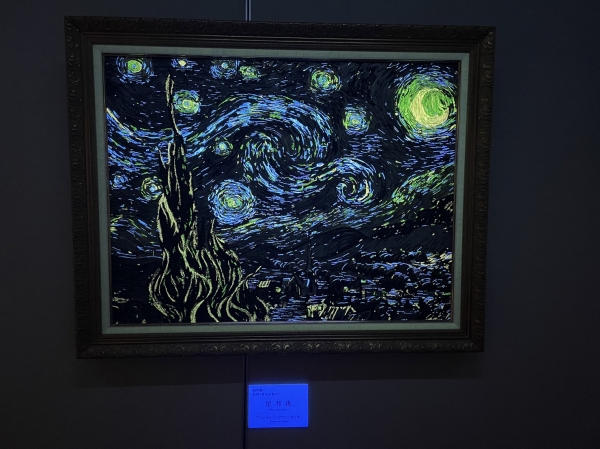 ゴッホの星月夜
-
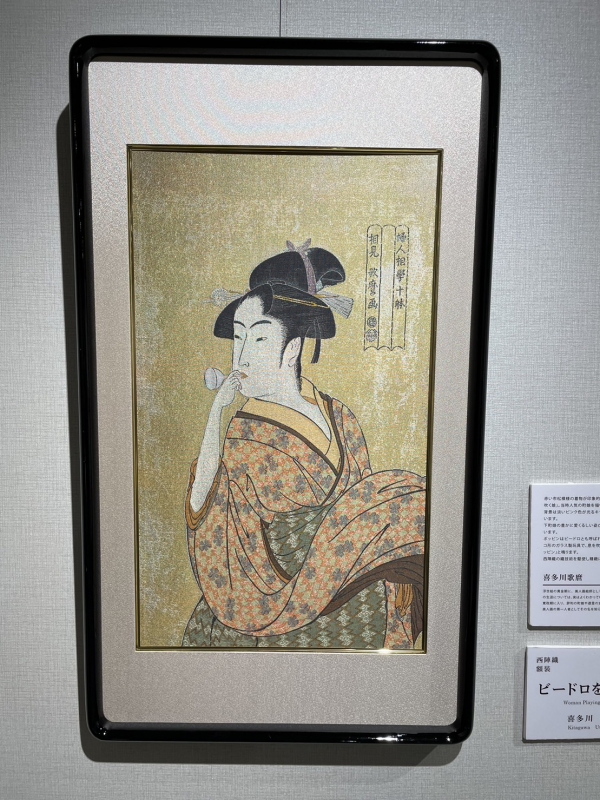 ビードロを吹く女
-
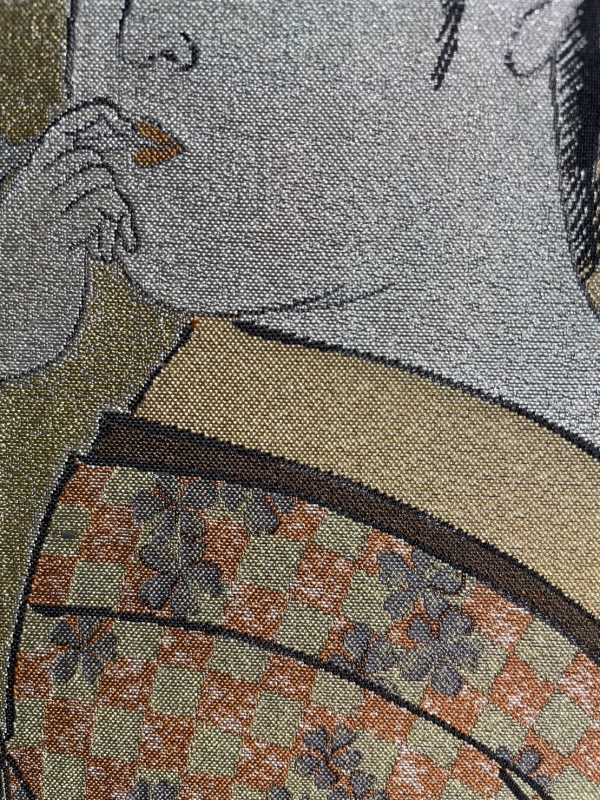 近くで見ると糸の組み合わせで作品が作られていることがわかります
2023/12/21 12:30:00 デジタル技術を用いた没入型教育の最前線:ハーキンソン教授に聞く
- 授業関係
- KUFSGT
みなさん、こんにちは!今日は、臨時投稿として、本学科のエリック・ハーキンソン先生の実践について、お届けします!
―――――――――――――――――――――――――――――――――――――
AI強化講義からVRフィールドトリップまで、様々な実践をおこなってきたエリック・ハーキンソン教授とグローバル観光学科2年次生の佐武ほのかさんと共に京都外国語大学での学習の未来を垣間見てみましょう。
アメリカ出身の学習デザイン&テクノロジーの専門家であるハーキンソン先生と、観光学をグローバルに学ぶことに熱心な佐武さんは、技術と教育がどんなふうに交差するのかについて探求しています。その議論をとおして、ICT、AI、VR、ARが現代の学習体験を形成する上でどのような変革をもたらすのかを浮き彫りにし、これらのツールが学術的理解をいかに高めるのか洞察しようとしています。
ハーキンソン教授は、学習デザイン&テクノロジー分野において広範な実績を持つ研究者です。教育における没入型技術の専門家として、ハーキンソン教授は、人間の体験を豊かにする技術の活用に情熱をもち、教員、研究コーディネーター、コミュニティおよび技術イニシアティブのリーダーとして多様な役割を果たしています。その哲学の中心には、プライバシーに配慮したデザイン設計や、知識をオープンにすること、また誰もがデジタルリテラシーを獲得できるようにするという原則があり、教育における技術統合においてバランスの取れたアプローチの確保が意図されているのが特徴です。没入型学習デザイン、拡張現実と仮想現実の学習開発、デジタル市民権の倫理的側面に重点を置きながら、研究、開発、アウトリーチ活動を通じて、教育技術の新たな課題と機会を創出しています。
エリック・ハーキンソンのプロジェクトと研究の全リスト: https://erichawkinson.com
ハーキンソン教授が先進的なマルチメディアリソースを用いた教育実践をおこなっているのは、特殊なスクリーンを完備したマルチメディア自習室です。そこで、学生たちは仮想旅行体験を始めることができます。この没入型技術により、学生たちは実際にそこにいるかのように世界各地を仮想的に探索することができます。これは単に場所を見るだけではなく、異なる文化や環境と深く繋がるインタラクティブで魅力的な学習プロセスです。これらのツールは従来の教室設定では提供できない世界についての学びの機会を学生に提供します。
また、ハーキンソン教授は、WebVRを通じてモデル国連(MUN)のシミュレーションを促進するなど、教室での技術の革新的な使用を拡張しています。これにより、伝統的なMUN体験をよりエンゲージメントの高い、インタラクティブな学習プロセスへと発展させることが可能となりました。この取り組みは、ハーキンソン教授が教育体験を向上させるだけでなく、デジタルとつながる世界における複雑でグローバルな相互作用や外交に学生を準備させるためにおこなっています。
学生の視点:
京都外国語大学のグローバル観光学科2年生である佐武ほのかさんは、ハーキンソン教授のユニークで革新的な教育手法に感銘を受けている学生のひとりです。富山出身の佐竹さんは、高校の先生に薦められて本学のグローバル観光学科を志望することになりましたが、映画鑑賞や写真撮影、そして「刀剣乱舞」への興味など、佐武さんの多様な興味は、ハーキンソン教授が提供する多様で魅力的なデジタルカリキュラムとの出会いで、さらなる相乗効果を生んでいます。
特に、インタラクティブな「Together Learning」プログラムをはじめ、伝統的な学習方法とデジタル学習方法の融合について、佐武さんは魅力を感じており、「ニューメディアマーケティング」、「ウェブデザイン」、「ビデオプロダクション」といったハーキンソン教授の選択科目に熱心に取り組んでいます。「イマーシブテクノロジーワークショップ」で行われる「My Hometown Project」に取り組むことも心待ちにしています。「My Hometown Project」は、仮想旅行体験を通じて世界中の人々をつなぐプロジェクトで、文化探求をしながら持続可能な観光のあり方を考えたい佐武さんにとっては、ぴったりのプロジェクトです。
教室での学習から実世界への応用:
ハーキンソン教授の教育方法は実世界にも応用され、これまでも教室を超えて様々な革新的なプロジェクトが実現されてきました。これには、先述した仮想外交に取り組むWebVRモデルの国連シミュレーションや、持続可能な観光のための没入型ストーリーテリングを強調するMy Hometown Projectはもちろんのこと、拡張現実学習環境のためのReality Laboや、技術を使って教育者を支援するTeam Teachersなど、他にも様々なプロジェクトが含まれています。学外でも、TEDxKyotoでのAR体験や、ゲームの要素をとりいれたAR図書館のスカベンジャーハントといったインタラクティブな体験と学習を融合させたユニークな取り組みがおこなわれてきました。
今後に向けて:
このようにデジタル分野での教育革新を続けるハーキンソン教授のもと、京都外大では、学生の皆さんが、観光学科の領域やそれ以外の分野においてデジタル時代の課題に向き合えるような先進的なプログラムや教育環境を引き続き提供していきます。今後もどうぞご期待ください!
----------------------------------------------
本投稿の内容は、『学園通信ロゴス』68号の地球人登場で取り上げています。
-
 京都外大に新設!没入型教育に触れられるマルチメディア自習室 New Immersive Space at KUFS
-
 エリック・ハーキンソン先生 Prof. Eric Hawkinson
-
 佐竹ほのかさん Student Satake Honoka
2023/12/15 23:30:00 高野山でのスピリチュアルな体験
- 観光情報
- 広報隊長谷川
みなさん、こんにちは!グローバル観光学科2年次生の長谷川穂香です。私は11月中旬、といっても既に雪が降っていて驚いたのですが、極寒の高野山(和歌山県)を訪れました。今回は、スピリチュアルツーリズムでも人気の観光地、高野山での体験についてご紹介します。
京都から滋賀にまたがる地には、最澄が開いた天台宗の比叡山がありますが、同じ時期に真言宗を開いた空海は、僧侶が修業する場として和歌山県の高野山を選びました。山のふもとからケーブルカーで急な坂を上がっていくと、しん、と静まり返った高野山に到着します。先ほどまでいた人ごみの渦とは別世界、空気の透き通った素晴らしい地です。ちょうど今年はお大師さま(空海)がお生まれになって1250年の記念の年で、高野山では様々な催し物がありました。さて、宗教の話となるとなんだか難しい話のように思うかもしれませんが、あまり身構えずに読んでください。宗教と言うものにあまり自覚のない日本人だからこそ、日本に古くから存在する宗教について学ぶことは意味のあることだと思います。
人はなぜ、手を合わせると思いますか?宿泊させていただいたお寺の和尚さんから、そう問われました。みなさんは、なぜ御墓の前で、あるいは食事をいただくとき、手を合わせるのでしょう。昔流行った曲のように、そうです、そこに亡くなった人はいません。和尚さんによると、手を合わせることのひとつの目的は「心の目」で自分の中にある真実を見つめるためだそうです。手を合わせて、心の中で話しかけるとき、自分にとってたしかにそこに存在するものがあるのです。こういった和尚さんのお話を聞くことができるので、高野山を訪れる際はぜひ、ホテルではなく宿坊に泊まってみることをお勧めします。
朝のお勤めで和尚さんのお話を聞いた後は、受戒の体験に行ってきました。受戒とは仏さまの示された戒めの教えを阿闍梨さまから直接授かり法話を頂く儀式です。10個の戒めのなかでも多くの人がご存知だと思うのは、不殺生(ふせっしょう)です。「生き物を殺してはいけない」という意味で、宿坊でいただく食事でも動物の肉を使わない精進料理が提供されます。ほかにも、不慳貪(ふけんどん)は「むさぼらない」と言う意味で、物質的な豊かさや金銭で幸せを測ろうとせず、モノのあふれた現代社会であっても、本当に求められているものに目を向けるよう説いてくれています。受戒は年間を通じていつでも体験ができるので気軽に参加できますし、阿闍梨さまのご法話はその都度少しずつ内容が違います。
高野山はすばらしい宗教の聖地の1つですが、日本人観光客よりも外国人観光客の方が多い印象を持ちました。より多くの人が、高野山真言宗に限らず、自らの国の宗教を学び、豊かに生きられたら良いと感じる旅行でした。高野山へは京都駅から直通バスが出ていて、3時間ほどで到着します。みなさんもぜひ、高野山に足を運んでみてはいかがでしょうか。
Hello everyone! I'm Honoka Hasegawa, a second-year student in the Global Tourism Department. In mid-November, I visited Mount Koya in Wakayama Prefecture, which was memorable due to the surprise of snow already falling at the higher altitude. I’d like to share my experiences at this popular destination for spiritual tourism.
The border between Kyoto and Shiga is renowned for Mount Hiei, established by Saicho of the Tendai sect. Concurrently, Kukai, the founder of the Shingon sect, selected Mount Koya in Wakayama Prefecture as a training ground for monks. Ascending the mountain's steep slope via cable car, you enter the tranquil and silent realm of Mount Koya. It is a stark contrast to the bustling crowds I had just left behind, offering a haven with crisp, clear air. This year notably marks the 1250th anniversary of the birth of esteemed master Kukai, celebrated with various events on Mount Koya. Discussions about religion might appear daunting, but I urge you to continue reading with an open mind. As many Japanese are not deeply familiar with religion, exploring Japan's ancient faiths can be enlightening.
"Why do people put their hands together?" This question was posed to me by a monk at the temple where I stayed. Why do we clasp our hands at graves or before meals? The monk elucidated that this act is a means of using the "mind's eye" to introspectively seek truth. By clasping your hands and speaking inwardly, you acknowledge the significance of something profound in your life. Hearing such insights from the monk, I strongly suggest opting for temple lodgings over hotels when visiting Mount Koya.
During the morning service, the monk's discourse led me to experience jukai. This ceremony involves receiving Buddha's teachings on precepts directly from the monk, accompanied by a sermon. Among the ten precepts, the well-known one is "not to kill" (fusessho), advocating respect for all life. Reflecting this, the temple lodging serves vegetarian meals, abstaining from animal flesh. Another precept, "Not to be greedy" (fuken-don), cautions against equating happiness with material wealth, encouraging us to seek deeper values amidst today's rampant materialism. Jukai is available year-round, with each monk's sermon offering unique insights. Rather than merely admiring these teachings, I felt compelled to integrate the resonant principles into my daily life.
While Mount Koya is a revered sacred site, I noticed a predominance of foreign tourists over Japanese visitors. This observation sparked a hope that more Japanese people, irrespective of their religious affiliations, would delve into their nation's spiritual heritage to enrich their lives. Mount Koya is accessible from Kyoto Station by a direct three-hour bus ride. I wholeheartedly recommend a visit to this spiritually enriching destination.
-
 宿坊での朝食(Breakfast at the temple)
-
 高野山の風景(Scenary of Koyasan)
2023/12/08 22:20:00 日本遺産フェスティバルに参加しました!
- イベント
- 広報隊福井
皆さん、こんにちは!
グローバル観光学科3年次生の福井健太郎です。2023年も残り一か月を過ぎました!1日1日を大切に過ごして新年を迎えましょう!私は11月4~5日に行われた日本遺産フェスティバルに参加しました。私は博物館学芸員資格課程を履修しており、授業の中で日本遺産について聞いて初めて知りました。調べてみると全国各地にあることが分かりもっと深く知りたいと思っていました。そこでこのフェスティバルが開催されると知り参加させていただきました。本ブログでは、そもそも日本遺産とはなにか、そしてフェスティバルの模様について紹介します!
はじめに日本遺産について紹介します!
2015年に、歴史的魅力や特色を通じて日本の文化や伝統を語るストーリーを日本遺産として、文化庁が認定する制度です。皆さんがよく博物館などで目にする国宝や重要文化財は、それを保存し継承していくことが目的の主なるものでした。しかし日本遺産は、ストーリーの中で欠かせない有形・無形の文化財を地域が主体となって活用していくことが目的です。現在全国で104のストーリーが日本遺産として登録されています。京都では宇治の日本茶、琵琶湖疎水など6つのストーリーがあります!
次に私が日本遺産フェスティバルに参加した時の模様を紹介します!
このフェスティバルは年に1回、登録地域の中から選ばれた地域で行われます。今回は、多くの信仰を寄せている高尾山を中心としたストーリーである「桑都物語」の東京都八王子市で行われました。全国各地のストーリーごとにブースが設けられ、各地域が興味をそそる展示を行っていました。このフェスティバルで全国各地の方々とお話しして知らないことを知れたり、もっと知識を深めたりしたいと思いました。
多くの方が日本遺産フェスティバルに来場されていました。また会場だけではなく、駅周辺や町の方にも多くの方がいて開催地である八王子は活気が溢れていました。私は日本遺産フェスティバルの来場者の年齢層が高めなのかなと思っていました。しかし実際行ってみるとたくさんの若い方も来場され楽しんでおられました!日本遺産フェスティバルではあなたの知らない日本のストーリー、日本文化の魅力を知ることができます!来年の日本遺産フェスティバルは10月26、27日に福島県会津市で開催予定です。ぜひ足を運んでみてください!
◎最後にお知らせ
徳島県の日本遺産の一つである「藍のふるさと 阿波」の魅力増進事業に観光学科4名が参加させていただいております!本事業では、徳島の「藍」、山形の「紅花」、群馬の「絹糸」、八王子の「多摩織」が連携し新商品を作成し各地方への誘客へとつなげるという事業です。各地域へ足を運び実際に感じた伝統文化の魅力をパネルにまとめ、それを多くの観光客の方へPRするため準備しております!1月13日~19日に京都国際交流会館にて展示ブースを出展します!詳細については後日GT広報隊インスタグラムでお知らせさせていただきます!ぜひお越しください!
Hello everyone!
I'm Kentaro Fukui, a third-year student in the Department of Global Tourism here at KUFS. We have just over a month left in 2023! Let's cherish each day and welcome the new year! I participated in the Japan Heritage Festival held on November 4th and 5th. I am enrolled in a museum curator qualification course and first learned about Japan's heritage in class. Upon researching, I discovered that there are heritage sites all over the country and wanted to know more about them. When I learned that this festival was being held, I decided to participate. In this blog post I will introduce what Japanese heritage is and the atmosphere of the festival!
First, let me introduce you to Japanese heritage!
In 2015, the Cultural Affairs Agency established a system to certify stories that tell about Japan's culture and traditions through historical charm and characteristics as Japanese heritage. National Treasures and Important Cultural Properties, often seen in museums, primarily aim to preserve and pass on these assets. However, the purpose of Japanese heritage is for communities to actively utilize both tangible and intangible cultural properties essential to the stories. Currently, 104 stories are registered as Japanese heritage nationwide. In Kyoto, for example, there are six stories, including Uji's Japanese tea and Lake Biwa Canal!
Next, I will share my experience at the Japan Heritage Festival!
This festival is held once a year in a selected region among the registered areas. This time, it was held in Hachioji, Tokyo, centered around the story of "Soto Monogatari" focusing on the highly revered Mount Takao. Booths representing stories from all over the country were set up, each region presenting intriguing exhibits. Through this festival, I had the opportunity to speak with people from various regions, learn new things, and deepen my knowledge.
Many people attended the Japan Heritage Festival. Not only the venue but also the surrounding areas of the station and the town were bustling with people, making Hachioji, the host city, very lively. I had thought that the festival would attract an older demographic, but to my surprise, many young people were also in attendance, enjoying the event! At the Japan Heritage Festival, you can discover unknown stories and the allure of Japanese culture! Next year's festival is scheduled for October 26th and 27th in Aizuwakamatsu, Fukushima Prefecture. Do visit!
◎ An announcement
Four students from the DGT are participating in a project to enhance the appeal of "Ai no Furusato Awa," one of Tokushima Prefecture's Japanese heritage sites! This project collaborates with "Ai" from Tokushima, "Benibana" from Yamagata, "Silk Thread" from Gunma, and "Tama Ori" from Hachioji to create new products and attract tourists to these regions. We are preparing panels that compile the charm of these traditional cultures, as experienced firsthand, to promote them to tourists. From January 13th to 19th, we will have an exhibition booth at the Kyoto International Community House! Further details will be announced later on the DGT Public Relations Team's Instagram. Please come and visit!
-
 八王子のご当地キャラ、たき坊と記念撮影
-
 福島のブースにあった首を揺らす可愛い赤べこ
2023/11/24 22:00:00 大津祭に参加して
- 学外活動
- 広報隊河原
みなさん、こんにちは。グローバル観光学科2年次生の河原のどかです。今回は10月7日・8日に滋賀県の大津市で行われた「大津祭」について共有いたします。
まず、大津祭を皆さんはご存じでしょうか?グローバル観光学科の村山先生の「京都文化概論」を履修した方なら覚えている方も多いかもしれません。このお祭りは2016年に国指定重要無形民俗文化財に登録され、以前参加した長浜曳山まつりとともに「湖国三大祭り」の一つに数えられます。曳山祭としての起源は江戸時代初め、鍛冶屋町の塩売(塩屋)治兵衛という人物が、狸の面をかぶり踊ったことであり、曳山は祇園祭の影響を受けているとのことです。現在、曳山が計13基、神輿が1基、人形の展示が2か所あり、今回は「孔明祈水山」を出す中堀町に参加、お手伝い致しました。
大津祭で興味深かった点が3つあります。1つ目は、女子の私でも綱を持ち、曳山を曳けることです。女性の参加が認められていないお祭りが多い中、大津祭では、認められている部分もあります。この背景には、祭りの担い手を増やす目的があるのでしょう。大津市民でもありませんが、曳いたときに観客からの「がんばれー」といった歓声や、にこやかな眼差しを受け、誇らしい気分になりました。
2つ目は、綱方になることで「動く文化財」と称される、からくり人形、曳山の装飾、囃子方の演奏を間近で感じられたことです。能曲や故事を題材にしたからくり人形は、大津祭の大きな特徴でもあり、江戸時代から伝わる人形たちが、今でもカラカラと音を立て動きます。また、曳山の装飾は当時、商業都市として発展した大津町人の文化度の高さや財力を確認できる要素が詰まっています。例えば曳山の側面を彩る幕類は唐織や朝鮮織などの高級輸入品を使用したり、なかなか見えにくい天井板の装飾にもこだわったりと、当時は各町で競うように曳山に装飾品を取り入れていったといいます。そして囃子方とは、曳山に乗り、横笛や太鼓、を用い、お囃子を演奏する方たちのことです。囃子方の皆さんは小学校低学年からベテランの方々が日々練習し、受け継がれてきた楽曲を演奏します。演奏される曲は場所によって違い、上り坂の時にはアップテンポかつ「てこよい(梃子良い)」というかけ声をします。また、お囃子の方々のテンションが上がり、笑いあいながら楽しそうに演奏する姿にも元気をもらえ、綱方も力がみなぎります。まさに日本の派手で力強いお祭りを実感しました。
3つ目は「宵宮朱印帳」です。これは宵宮の日、数時間しかできないイベントではありますが、各町で工夫を凝らした朱印を集めることができます。右ページには、各山の名称と解説が載っています。曳山だけでなく、神輿や天孫神社、そして、からくり人形だけ現存し、展示している場所も載っており、あまり知らなかったところにも行くきっかけになったので、とても良いと思いました。
残念に思ったことは、綱をまたいではいけないなどの、お祭りの作法が観覧客に伝わっていないことです。当日のチラシやホームページには、オリジナルのピクトグラムと共に注意書きが書かれていましたが、お祭りの作法なども情報発信していく必要があると感じました。これからも末永く続けていくためにも、正しい情報を伝え、協力してもらうことが必須だと思います。大津祭は地域の人たちの楽しみや誇りであり、地域に愛着を持つきっかけになる一方、トラブルが起きうる可能性もあると感じました。今後も大津祭の方々と交流して、より良いお祭の在り方を考えたいと思います。
Greetings, everyone! I am Nodoka Kawahara, a second-year GT student. I would like to share my experience of participating as a float puller in the Otsu Festival on October 7 and 8, 2023. This Japanese festival parade has been recognized as an Intangible Folk Culture Property in 2016 and this festival is one of the Three Major Festivals in Shiga Prefecture. The Otsu Festival traces its origins back to early Edo period when Shioya Jihei of Kajiya-cho danced wearing a mask of a tanuki raccoon dog, and the Hikiyama floats are said to have a connection to the Gion Festival. Currently, there are a total of 13 floats, one portable shrine, and two puppet displays.
Some interesting points about the Otsu Festival: first, even as a girl, I was able to hold the rope and pull the floats. It is common that women are not allowed to participate in Japanese festivals but there are some in which women have been allowed to participate, notably the Otsu Festival. The purpose behind this is probably to increase the number of festival bearers. Although I am not a citizen of Otsu by birth, I felt proud when I received cheers and encouragement, as well as smiles from the audience when I pulled the float.
Secondly, as a Tsunakata, or float puller, I was able to experience up close the karakuri wind-up dolls, the decoration of the floats, and the musical accompaniment. The whole thing is sometimes called a moving cultural asset. Karakuri dolls based on Noh plays, Japanese folklore and Chinese classical literature are a major feature of the Otsu Festival, and the dolls, which have been handed down since the Edo period, still move.
The decorations on the floats are also a testament to the high level of culture and wealth of the townspeople of Otsu, which developed as a commercial city. For example, the tapestries that decorated the sides of the floats were made of high-grade imported Chinese and Korean fabrics, and the decorations on the ceiling panels, which were difficult to see, were also carefully selected. The musicians ride on the floats and play musical accompaniment with flutes, drums, and gongs. The musicians range from elementary school students to seasoned veterans, and they practice daily and play music that has been passed down from generation to generation.
The music played varies from place to place. When the float needs to move uphill, the music becomes up-tempo and the call "tekoyoi" is made. The energy of the musicians is also high, and the sight of them laughing and enjoying each other's company energizes us.
Thirdly, I’d like to explain a little about the Yoimiya red seal book. Within the pages of the book, you will find the name and description of each float. Not only the Hikiyama floats, but also the Mikoshi (portable shrines), Tenjin Shrine, and the Karakuri doll displays are listed, which I thought was great because it gave me a chance to visit places I did not know much about.
What was disappointing was that the rules of the festival, such as not straddling the ropes, was not communicated to the visitors. The flyers and website of the festival included a warning, but I felt that it is necessary to provide more information on correct etiquette. While the Otsu Festival is a source of enjoyment and pride for local people and an opportunity for them to become attached to their community, I also felt that there is potential for trouble. If the festival is to continue for many years to come, I think it is essential to convey correct information and get visitors to cooperate.
-
 中堀町の孔明祈水山 Koumei-kisui float of Nakabori town
-
 試し曳きの時は地域のお子さんやお母さん方、高齢者の方々とも曳きました。 During the trial pull, we also pulled with local children, mothers, and senior citiz
-
 孔明祈水山の朱印 Red seal of Koumei-kisui float


