


学内サークル・団体活動
2026/08/05 09:00:00 世界のお菓子を囲んで交流!GT留学生会が交流会を開催しました
 学内サークル・団体活動
 広報隊
7月17日、グローバル観光学科の1年生を対象に、GT留学生会主催の交流会が開催されました。
「GT留学生会」は、グローバル観光学科で学ぶ留学生を中心に、留学生と日本人学生との交流を深める活動を行っている学生団体です。国籍や学年を越えて学生同士がつながり、互いの文化や考え方を知ることができる機会を提供しています。
今回の交流会のテーマは、世界のお菓子を囲んだ懇親会です。会場にはさまざまな国や地域のお菓子が並びました。参加した学生たちは、お菓子を楽しみながら自己紹介をしたり、大学生活や出身地について話をしたりして、楽しい時間を過ごしました。
【GT留学生会会長 チョウジンリンさん】
「1年生の皆さんに留学生会のことを知ってもらい、気軽に話せる場をつくりたいと思い、今回の交流会を企画しました。たくさんの学生が参加し、楽しそうに話している姿を見ることができて嬉しかったです。」
【留学生会担当教員 李先生】
「異なる文化的背景をもつ学生たちが、お菓子や会話をきっかけに自然につながることができました。留学生会の活動を通して、学生同士の交流の輪がさらに拡がっていくことを期待しています。」
【参加した1年生のコメント】
「参加する前は、留学生とお菓子を食べながら話すといっても、少し気まずい雰囲気になるのではないかと思っていました。しかし、実際に参加してみると、留学生の皆さんが積極的に話しかけてくれて、とても楽しかったです。」
「留学生と、それぞれの国や地域のお菓子について話したことも楽しかったです。『これはすごく辛いよ』『この味は有名だよ』などと教えてもらい、国による味の違いを知ることができました。」
グローバル観光学科では、大学生活の様々な場面で、異なる国や地域の学生と交流することができます。
GT留学生会では、今後も学生同士が楽しく交流できる活動を行っていく予定です。
English Summary
On July 17, the GT International Student Group hosted a social event for first-year students in the Department of Global Tourism. The group aims to promote interaction between international and Japanese students, as well as create opportunities to learn about different cultures and perspectives.
At the event, students enjoyed snacks from various countries and regions while talking about their hometowns, university life, and food cultures. Though some participants were nervous at first, the international students greeted them warmly, and the conversations soon became lively.
The group’s leader was pleased to see so many students enjoying the event. The faculty advisor also expressed hope that the group would continue to bring more students together.
In the Department of Global Tourism, students can interact with people from different countries and regions in various aspects of university life.
-
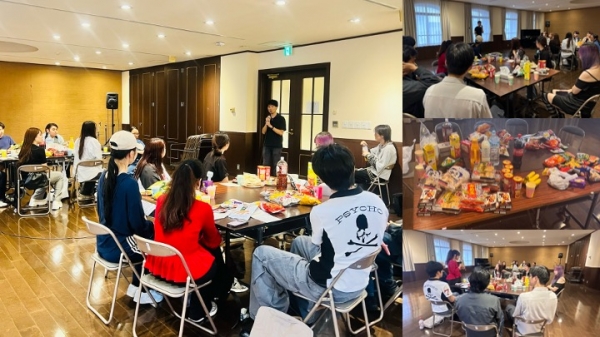 世界のお菓子を囲みながら、学生同士で交流しました
-
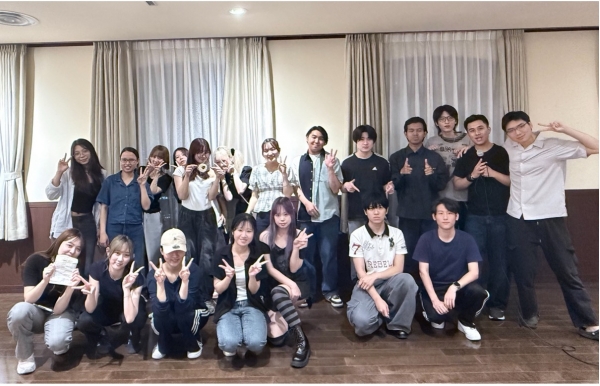 交流会に参加した学生の皆さん
2026/03/28 17:30:00 語学を「誰かの力」に変える学び― コミュニティ通訳育成プログラム ―Learning Through Real Practice: Community Interpreter Training at KUFS
- 学内サークル・団体活動
- 広報隊 長谷川
こんにちは、グローバル観光学科4年次生の長谷川穂香です。今回は、私が履修していた「コミュニティ通訳育成プログラム」についてご紹介します。本学では、「コミュニティ通訳特論」の履修や実務経験を通して専門性を高め、適性テストに合格すると、国際規格「ISO 13611:2024 通訳―コミュニティ通訳のためのガイドライン」に基づく認証書を取得することができます。本記事では、授業の学びやフィールドワークの経験をお伝えします。進路や授業選択の参考になれば幸いです。
コミュニティ通訳とは
コミュニティ通訳は、イギリスでは「Public Service Interpreting」とも呼ばれ、言語の壁によって医療・教育・社会福祉・行政・司法などの公的サービスにアクセスできない人々を支援する専門職です。単に言葉を訳すのではなく、異なる文化や制度の背景を理解しながら、人と人、人と社会をつなぐ役割を担います。ときには、その支援が人生の大きな転機に関わることもあります。
「コミュニティ通訳特論」で基礎から実践へ
「コミュニティ通訳特論」(旧カリキュラム)は、外国語学部・国際貢献学部の3、4年次生に開かれており、学科を越えて多様な学生が共に学びます。授業では、通訳者の役割や職業倫理といった基礎から、医療・教育・司法など各分野の背景知識まで幅広く学びました。近年、AI技術の発展により、通訳・翻訳の仕事が将来なくなるのではないかという声もあります。授業では、政府推奨の多言語音声翻訳アプリ「VoiceTra(ボイストラ)」を実際に使用しながら、AI時代におけるコミュニティ通訳の役割について議論しました。その中で、正確さだけでなく、信頼関係の構築や感情への配慮といった人間ならではの役割の重要性を改めて実感しました。
毎回の授業ではグループワークが行われ、設定された問いについて議論し、意見をまとめて発表します。限られた時間の中で情報を整理し、わかりやすく伝える経験は、通訳者に求められる重要なスキルの養成につながりました。さらに、裁判所、学校、病院などを想定したロールプレイを通して、実践的な対応力を磨きました。言葉の選択だけでなく、立ち位置、視線、話すタイミングといった非言語的要素も通訳の質に大きく影響することを学びました。
コミュニティ通訳が必要とされる現場は、私たちの生活に直結する重要な場面ばかりです。不安や葛藤を抱える人に寄り添いながら、正確かつ誠実に伝える。そのためには、言語力だけでなく、人間理解や責任感が不可欠だと感じました。
フィールドワークで現場を知る
本学には「LinguaLink」という翻訳・通訳人材バンクがあり、学生が実際の多言語支援活動に参加できます。登録することで、主に京都地域における多言語対応のニーズに応える活動に関わることができます。昨年12月、私は京都国際交流会館で開催された「外国人カウンセリングデイ」に参加しました。会場では、ボランティア通訳者やノートテイカーの方々が、さまざまな相談に丁寧に対応していました。相談に訪れる方々は不安や悩みを抱えており、通訳者には正確さだけでなく、安心して話せる雰囲気をつくる姿勢が求められていました。また、制度や手続きに関する専門的な内容も多く、事前準備の重要性も強く感じました。この経験を通して、コミュニティ通訳は単なる言語の仲介ではなく、人と社会を結ぶ存在であることを実感しました。教室で学んだ知識やロールプレイでの経験が、現場と確かにつながっていると感じられた貴重な機会でした。
言葉で誰かを支えるということ
語学を将来に生かしたい人、「言葉を通して誰かの役に立ちたい」と思う人にとって、このプログラムは大きな学びの場となるはずです。本記事が、進路や授業選択を考えるきっかけになればうれしく思います。
Hello! I’m Honoka Hasegawa, a fourth-year student in the Department of Global Tourism at Kyoto University of Foreign Studies. In this article, I would like to introduce the Community Interpreter Training Program, one of our university’s distinctive initiatives.
Through the course “Community Interpreting Studies” and hands-on practical experience, students develop professional skills in community interpreting. Those who pass an aptitude test receive certification based on the international standard ISO 13611:2024 — Interpreting Guidelines for Community Interpreting. I am currently enrolled in the program and will receive my certification at this spring’s graduation ceremony. I hope this article will help students who are thinking about their future careers or course selections.
What Is Community Interpreting?
In the UK, community interpreters are often referred to as Public Service Interpreters. They support individuals who face language barriers in accessing essential public services such as healthcare, education, social welfare, government services, and the legal system. Their role goes beyond translating words. Community interpreters bridge differences in language, culture, and social systems, enabling genuine mutual understanding. In many cases, their work can significantly affect a person’s life.
From Theory to Practice in the Classroom
The course is open to third- and fourth-year students from different faculties, creating a rich learning environment. We studied not only the roles and professional ethics of interpreters but also background knowledge in fields such as healthcare, education, and law. With the rapid advancement of AI, some fear that interpreting may be replaced by technology. In class, we used the multilingual speech translation app VoiceTra and discussed the role of community interpreters in the age of AI. Through this experience, I realized that building trust, understanding emotions, and responding to subtle contextual cues are responsibilities that only human interpreters can fulfill.
Group discussions were a key component of each class. We analyzed research questions, organized ideas, and presented our conclusions within limited time. This process strengthened our ability to communicate information clearly and effectively—an essential skill for interpreters. Role-plays based on real-life situations such as courtrooms, schools, and hospitals allowed us to practice professional conduct. I learned that interpreting quality depends not only on word choice but also on positioning, eye contact, and timing.
Learning from Real-World Experience
Our university operates LinguaLink, a translation and interpreting talent bank that connects students with multilingual support opportunities in the Kyoto area. Last December, I participated in fieldwork at the Foreign Residents’ Counseling Day held at the Kyoto International Community House. Observing volunteer interpreters assisting residents with various concerns helped me understand the realities of the field. Many visitors were anxious or uncertain about their situations. Interpreters needed not only accuracy but also empathy and professionalism to create a safe atmosphere. Through this experience, I came to see community interpreters as bridges—between people, and between individuals and social systems. It was a valuable opportunity to connect classroom learning with real-life practice.
-
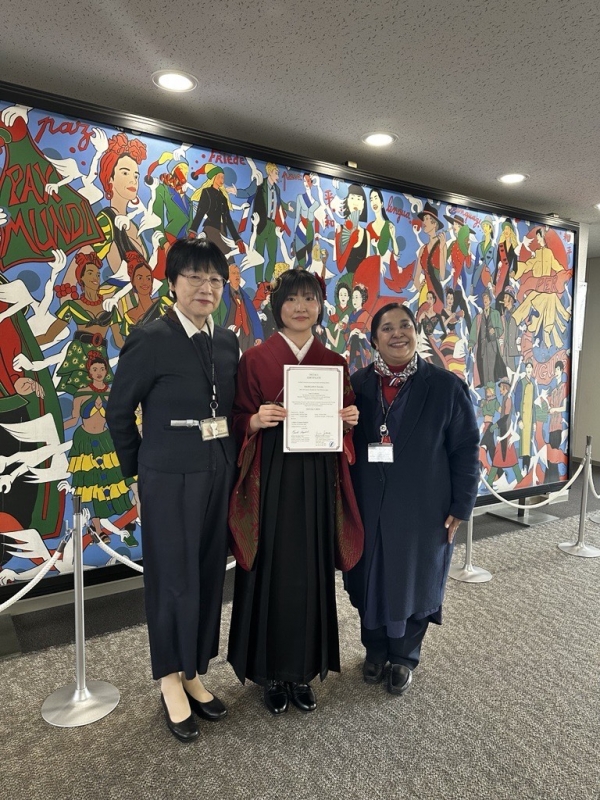 ご指導いただいた佐藤先生とスガンディ先生といただいた認証書を手に学位授与式にて
2026/02/06 15:30:00 Liko Lehuaでの活動について
- 学内サークル・団体活動
- 広報隊 森宗
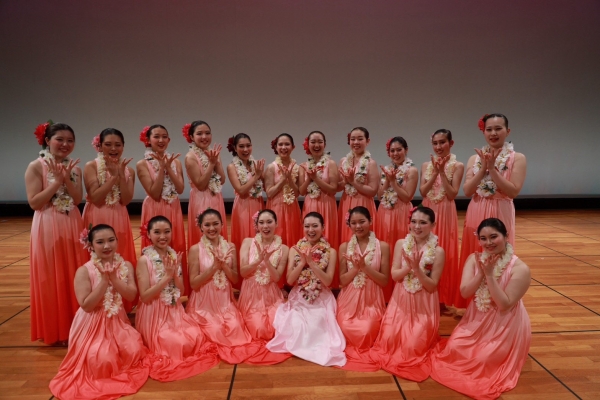
皆さんこんにちは、グローバル観光学科1年次生の森宗莉子です。今回は私の所属するフラダンス部「Liko Lehua」の京都外大祭での舞台について記事にしようと思います。
2025年11月2日に京都外大祭が行われました。このステージは私たち1年生の多くが初めて立つステージでした。初めてのステージへ胸いっぱいに期待を込め当日までたくさんの練習をしてきました。練習では、お互いに踊りを見あって今回は、先輩方、1年生のみ、全員で踊るもので全て合わせて7曲披露しました。多くのお客様に見られながらステージに立つことは緊張しましたが温かい拍手に背中を押され踊りきることが出来ました。私が披露したのは7曲のうち2曲だけですがフラダンスの1つの動きや曲にこめられた思いなどが伝わるように表情や指先まで意識して全力で表現することが出来た初舞台になったのではないかと思います。また、この活動を通じて、仲間と一つの舞台を作り上げる達成感や支えあうことの大切さを実感しました。次に披露する際にも最高のものを届けられるようフラの文化を理解して、支えあえればと思いました。
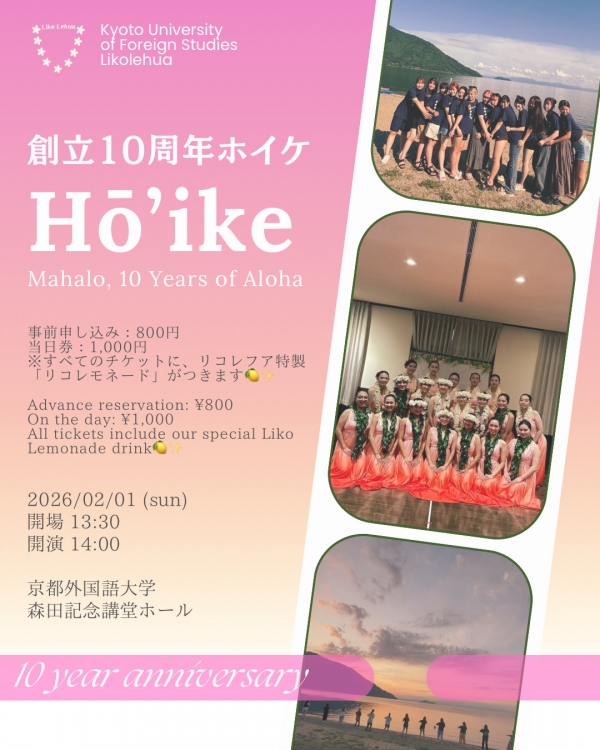
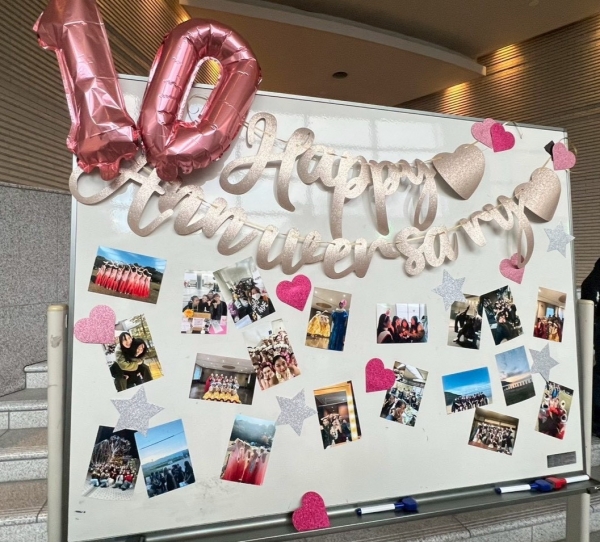
そして、2026年2月1日(日)14時からは、本学の森田記念講堂で開催・創部10周年記念ホイケを行いました。京都外大祭の初舞台を経て、たくさんの練習を重ねてきました。前回よりも楽しいと感じていただける舞台になったかと思います。当日はこれまでの10年を支えてくださった皆様への感謝も込めて全力で披露しました。YouTubeにアーカイブがあるので、こちらをぜひご覧下さい!
Hello everyone. My name is Riko Morimune, and I am a first-year student in the Department of Global Tourism. I would like to share my experience performing on stage with my hula dance club, Liko Lehua, at the Kyoto University of Foreign Studies Festival.
The festival was held on November 2, 2025, and for many first-year students, including myself, it was our very first stage performance. In preparation for the event, we practiced diligently, encouraging and learning from one another. The performance consisted of seven songs in total, featuring dances by senior members, first-year students, and the entire club together.
Although performing in front of a large audience was nerve-wracking, the warm applause gave us confidence and allowed us to complete the performance successfully. I personally performed in two of the seven dances, and this first stage experience gave me the opportunity to express the emotions and stories behind hula movements and songs. I paid close attention to my facial expressions and even the smallest details, such as the movement of my fingertips.
Through this experience, I realized the strong sense of achievement that comes from creating a performance together as a team, as well as the importance of supporting one another. It also deepened my appreciation for hula culture and motivated me to continue improving alongside my fellow members.
Liko Lehua was held to commemorate its 10th Anniversary Hō‘ike on February 1, 2026, at 2:00 p.m., at the Morita Memorial Hall on campus. Building on the experience of our first stage at the university festival, we have continued to practice and grow as a team. We tried our best to deliver an even more enjoyable performance and to express our heartfelt gratitude to everyone who has supported us over the past ten years. If you are interested, we warmly invite you to our Youtube channel to see our performance. Thank you.
2024/12/07 01:30:00 2024年度Hear Me Okinawa「沖縄スタディーツアー」
- 学内サークル・団体活動
- 広報隊岩本
みなさん、こんにちは!グローバル観光学科3年次生の岩本茉子です。街中もクリスマスに向けキラキラとし始め、ワクワクする一方で、今年も残りわずかだと感じると、少し寂しく思います。
今回のブログでは9月に参加した「沖縄スタディーツアー」についてお話していきます。まず、Hear Me Okinawaとは?や昨年に行った時の様子も知りたい!という方は学科ブログに掲載しているので、ぜひ覗いてみてください! (上記のリンクから閲覧できます)そして、この沖縄スタディーツアーは、ご縁から繋がっている現地の方々のご協力のもと、ガイドをしていただき、沖縄の歴史や文化などを学び・考え・感じる機会として、昨年に引き続き2日間行いました。
2024年の沖縄スタディーツアーには、グローバル観光学科1年次生7名、3年次生6名、4年次生1名の計14名と引率してくださった原先生で参加しました。今回は、人数が増えたということもあり、初参加者と昨年に参加したメンバーで、一部別行動をしたため、このお話では3年次生がまわった場所を中心としています。
1日目はひめゆり平和祈念資料館、平和祈念公園、平和の礎、斎場御嶽へ訪れました。私は生憎1日目の朝に行くことができなかったので、他のメンバーに感想を聞いてみました。
○ひめゆり平和祈念資料館
・昨年に参加したときは衝撃的なお話を受け入れることに精一杯だったが、今年は落ち着いた気持ちで、たくさんの疑問をなげかけることができた。
・実際に使われていた沖縄陸軍第一外科壕もガイドさんに案内してもらい、毎年違う発見ができて嬉しい。
・壕を実際に体感して、「島唄」という曲のモデルになった場所ということから、歌の内容がより一層染み渡り、また沖縄戦によって多くの人が悲しい思いをしてきたことを昨年より実感した。
・ガイドの方に「昔の子は葉っぱにラブレターを書いて好きな子に渡していた」という話を聞き、うるうると感動した。
○平和祈念公園
・「目の前に広がる海は綺麗な青色だが、戦時中は血で赤く染まり、今でも海を見たくないと思う人がいる」という話を聞き、ゾワッとした。
○斎場御嶽
・現実の世界のものとは思えない雄大な自然の美しさに驚いた。
上記のようなたくさんの感想をもらいました。何度行っても新たな学びや気持ちの変化を
得ることができた1日になったようでした。
2日目はバス無料dayということで、バスを利用しながら沖縄市内をまわりました。この日は沖縄市戦後文化資料展示館 ヒストリート、ライカムなどへ行った後に全体で2日間の振り返りをしました。
○沖縄市戦後文化資料展示館 ヒストリート
ここは戦後の沖縄を見つめ直すことを目的としてできた場所です。当時の貴重な写真や新聞記事、展示物を通じて、現在に至るまでの歴史や文化の歩みを知ることができ、また考えさせられた機会になりました。
○ライカム
「イオンモール沖縄 ライカム」、「ライカム交差点」など「ライカム」は地名としても使われています。ライカムという言葉は、この地にあった米軍司令部「Ryukyu Command Headquarters」が由来となっています。また、私たちは夏に京都で行われた舞台「ライカムで待っとく」を観劇し、その舞台となった場所でもあります。この舞台は沖縄の過去・現在が交差していく中で、沖縄と日本のあり方をたくさん考えさせられるものでした。胸にささる言葉も数多くあり特に、「私たちの何気ない生活の中には誰かの犠牲がある」「沖縄は日本のバックヤード」という言葉が印象に残っています。誰かの幸せを踏み台にしてまで、良い日々を送りたいとは思いたくもありませんが、実際にそのようなことが今、起こっているのだと突きつけられたように感じました。実際に、ライカムへ訪れると、観光や買い物などを楽しんでいる人が大勢いました。しかし、あの時の言葉や感じたことを思い出すと、当たり前の日常ではないのだなと考え、少し身が引き締まる思いもありました。
今年の沖縄スタディーツアーを振り返り、舞台で受けとった言葉がどこかの片隅に残りながら、沖縄について学んでいった中で、知ることの大切さを改めて実感しました。知り、学び、考え続けることで少なくとも受け取れるメッセージが増えるのではないかなと感じます。そのため、まだまだ知らない沖縄を自分の目で足で、学び続けていきたいと思います!
最後になりましたが、今年も沖縄スタディーツアーの実施にあたり、ご協力くださった皆様、お忙しい中ありがとうございました!
◎みなさんにお知らせ
2024年12月9日(月)〜12月13日(金)から4号館1階で展示会を開催します!例年行っているパネル展示だけではなく、クイズやシーサー作りなど楽しい体験も準備中です。休み時間の合間などぜひ覗いてみてください!
-
 「沖縄市戦後文化資料展示館 ヒストリート」 機会があればぜひ訪れてみてください!
-
 みなさんと!今年もお世話になりました!
-
 展示会のお知らせ お時間があるときにぜひ!
2024/12/07 01:20:00 Hear Me Okinawa 2024 "Okinawa Study Tour"
- 学内サークル・団体活動
- 広報隊岩本
Hello, everyone! My name is Mako Iwamoto, and I am a third-year student in the Department of Global Tourism. Today, I’d like to share my experience participating in the Okinawa Study Tour, Hear Me Okinawa, which took place this September.
If you’re interested in learning more about Hear Me Okinawa and last year’s activities, I encourage you to check out the department blog!
This year’s Okinawa Study Tour was guided by local experts, allowing us to explore and reflect on the history and culture of Okinawa over two days. A total of 14 students joined the project under Mr. Hara’s leadership: seven first-year students, six third-year students, and one final-year student, all from the Department of Global Tourism.
In this story, I’ll focus on the places visited by the third-year students, as we explored locations different from those visited by first-time participants.
Day 1: Exploring Okinawa’s History and Natural Beauty
On the first day, we visited the Himeyuri Peace Museum, the Peace Memorial Park, the Cornerstone of Peace, and Sefa-utaki. Unfortunately, I couldn’t attend the morning activities, so I asked my fellow students about their impressions.
Himeyuri Peace Memorial Museum
• "Last year, I was overwhelmed by the tragic stories, but this time I felt calmer and could ask more questions."
• "I’m grateful for the new insights I gain each year."
• "Experiencing the Gama made the song Shima Uta feel even more profound, as it was inspired by these events. I understood more deeply this year how much suffering the Battle of Okinawa caused."
• "I was touched by the guide’s story: ‘In the old days, children would write love letters on leaves and give them to their crushes.’"
Peace Memorial Park
• "It was chilling to hear the guide say, ‘The sea in front of us looks beautifully blue now, but during the war, it was stained red with blood. Even today, some people cannot bear to look at it.’"
Sefa-Utaki
• "I was awestruck by the breathtaking beauty of nature—it felt like something from another world."
These experiences reminded us that no matter how many times we visit, there is always more to learn and new perspectives to gain.
Day 2: Free Exploration and Reflection
The second day was a free bus tour around Okinawa City. We visited the Okinawa City Postwar Cultural and History Historeet museum, Rycom, and concluded with a review of our two-day experience.
Okinawa City Postwar Cultural and History Historeet
This museum focuses on reexamining postwar Okinawa. Through rare photographs, newspaper articles, and historical artifacts, we gained a deeper understanding of Okinawa’s journey from the past to the present. It was a powerful opportunity to reflect on history.
Rycom
Rycom has become so well-known that it’s even a place name, as in AEON MALL Okinawa Rycom and Rycom Intersection. The name originates from the “Ryukyu Command Headquarters” that was once located here. Having watched the play Rycom de Mattoku in Kyoto this summer, visiting the actual location of its setting was fascinating. At the same time, it was sobering to recall the emotions and messages from the play.
Reflection
Looking back on this year’s Okinawa Study Tour, the words and stories I encountered continue to resonate with me. Learning about Okinawa has reminded me of the importance of understanding history. By learning, reflecting, and keeping these lessons in mind, we can connect with more profound messages and share them with others.
I hope to continue learning about Okinawa’s culture and history through my own experiences and observations. There is still so much to explore and understand.
Finally, I’d like to express my heartfelt gratitude to everyone who took time out of their busy schedules to help make this year’s Okinawa Study Tour possible. Thank you so much!
◎ Announcement:
From December 9 to December 13, an exhibition will be held on the first floor of Building No. 4! Along with the usual panel displays, we’re also preparing quizzes, shisa-making workshops, and other fun activities. If you have time, please stop by during your break!
-
 the Okinawa City Postwar Cultural and History Historeet Museum
-
 With everyone
-
 Upcoming Panel Exhibition


