


GTゼミ活動紹介
2020/12/24 23:50:00 多彩なマーケティング・ビジネス系調査を展開中!(野﨑俊一ゼミ)
 GTゼミ活動紹介
 Student Reporter
皆さんこんにちは!グローバル観光学科3年次生の阪田麻歩です。今回は私が所属している野﨑ゼミについて紹介します。突然ですが、グローバル観光学科のゼミでは観光や旅行についてしか研究できないと思っていませんか?実は、グローバル観光学科では観光系以外にもマーケティングやビジネス系、ホテル事業や地域活性化などについても研究を行っているゼミがあります!私が所属する野﨑ゼミもその1つです。
春学期は「ホテル」を調査対象にしてホテルの経営理念やコンセプトなどについてチームごとに調査しプレゼンテーションを行いました。そして、秋学期は春学期の調査で培った分析力や情報収集力を生かして4つのチームに分かれてチームプロジェクト・チーム調査を行っています。今回はこの4つのチームプロジェクト・チーム調査についてご紹介します。
まず、1つ目が食ロス調査チームです。食ロスチームでは百貨店の食ロスの取り組みの有無をホームページやインターネットで調査しリスト化、そこから得た知識をもとに大丸様に協力をしてもらい食ロスに特化したプロジェクトを行います。また、消費者へのアンケート調査も行い、実際に消費している皆さんの食ロスに対する行動についても調査を行います。
2つ目が、テーマパーク調査チームです。皆さんはあの大人気のUSJも経営に伸び悩んだ時期があったことを知っていますか?このチームでは関西一有名なテーマパーク、USJの経営戦略やV字回復のデータをもとに他の観光地もどうすればUSJのように盛り上げていけるかということに焦点を当てて調査を行っています。
3つ目は、子供連れ向け京都旅館紹介チームです。小さいお子様連れの方にも古き良き京都を楽しんで欲しい!という思いからチーム活動を始めました。旅館へのインタビューと子育て中の保護者の方へのアンケートを元に、旅館ではどのようなお子様向けサービスがあるのか、保護者の方がお泊まりされる際にどのようなことを求めるのかなどをInstagramで情報発信をするプロジェクトをメインに考えています。これから本格的に発信活動していきますのでぜひ覗いてみて下さい!
→Quck【子供連れにおすすめの京都旅館紹介】 @quck._.kyoto
Quck(クック):靴のことを「くっく」と言う幼児語から引用。
くっくを履いて家族みんなで京都に旅行しに来て欲しいという思いが込められています。
4つ目は、カフェチームです。このチームでは、2月に3日間の期間限定でオープンするカフェに向けて開業の準備を進めると共にInstagramで京都旅行におすすめのお店や観光地、レンタル着物の情報を発信しています。若い女性やカップルを中心にコロナで閑散とした京都を元に戻したいと言う思いを元に活動に励んでいます!2月のカフェ開業に向けても外部の方と話し合いを重ね、実現に向けて着々と準備を進めています。今どきの京都について情報発信をしているInstagramではフォロワー1万人を目標に活動を行っています。京都の魅力が沢山詰まっていますので是非覗いてみて下さい!
→ toi et moi(トワエモア) @toietmoi_kyoto
toi et moi:「あなたとわたし」(フランス語)。
大切な誰かと京都旅行を素敵な思い出にして欲しいという思いが込められています。
以上が、現在、野﨑ゼミで行っている調査です。
それぞれ学生が主体となって彩り豊かな調査を行っています。まだまだ駆け出しですが、それぞれが実りある調査になるよう頑張っていますのでこれからの野崎ゼミにぜひ注目していただけると嬉しいです!
Hello everyone! My name is Maho Sakata and I am a third-year student at the Department of Global Tourism Studies. Here I want to introduce the research activities of the Nozaki Seminar group. In particular, I will introduce the work of our four project teams.
Team #1 chose to look into food loss. The first step was internet research, to check if department stores had any stated food loss policies on their official homepages, and based on the knowledge gained from this research, Team #1 was able to approach Daimaru and ask for their cooperation on this food loss project. The team also conducted surveys of consumers, looking at food loss behavior from the consumer’s perspective.
Team #2 chose to look at Theme Parks. Are you aware that USJ – such a popular attraction these days – had a period where they just could not get the business to grow? Team #2 focused their research on the management strategies at USJ and how they were able to deliver a V-shaped recovery for the business, as well as what other destinations can learn from this data.
Team #3 looked into ryokan - traditional Japanese inns – aimed at families traveling with children. The idea behind the research is how can families to enjoy the older, more traditional side of Kyoto. The team interviewed ryokan owners and management, as well as asking parents to fill out a survey questionnaire. They looked into the support services provided by the ryokan for families, as well as what parents ask for when they stay in a ryokan with their children. The team is using Instagram as a way to transmit information about the project as it evolves. Please be sure to check Team #3’s Instagram feed (@quck._.kyoto) when they start to post about their research and findings!
Quck: follow @quck._.kyoto for recommendations on great ryokan for families
Quck: Taken from the Japanese kid’s word for a shoe: kukku
Pop your shoes on and head off to Kyoto with the family for an adventure!
Team #4 chose cafés. This team are tracking the preparations for a pop-up café that will open for just 3 days in February, as well as using Instagram to disseminate information about good shops for visitors to Kyoto, places to visit, rental kimono shops, etc. The team members are driven by a desire to see Kyoto return as a place for young couples and women to visit after being shut down as a destination due to the novel coronavirus. As the February launch of the pop-up café draws closer, the team is holding meetings with external advisors and partners, and the preparations become more intense. Another aim is to reach 10,000 followers on their Instagram (@toietmoi_kyoto), so please be sure to follow as there will be lots of great information about Kyoto on their feed!
toi et moi: You and Me, in French. Naming concept: come and visit Kyoto with someone special and make some great memories
This summary covers what we are researching at the Nozaki Seminar. The surveys and research are all carried out by the students. We are still novices when it comes to these topics, but we intend to work hard and we hope to see the fruits of our labors when it comes to our research and survey findings. Please remember to keep an eye on the Nozaki Seminar!
-
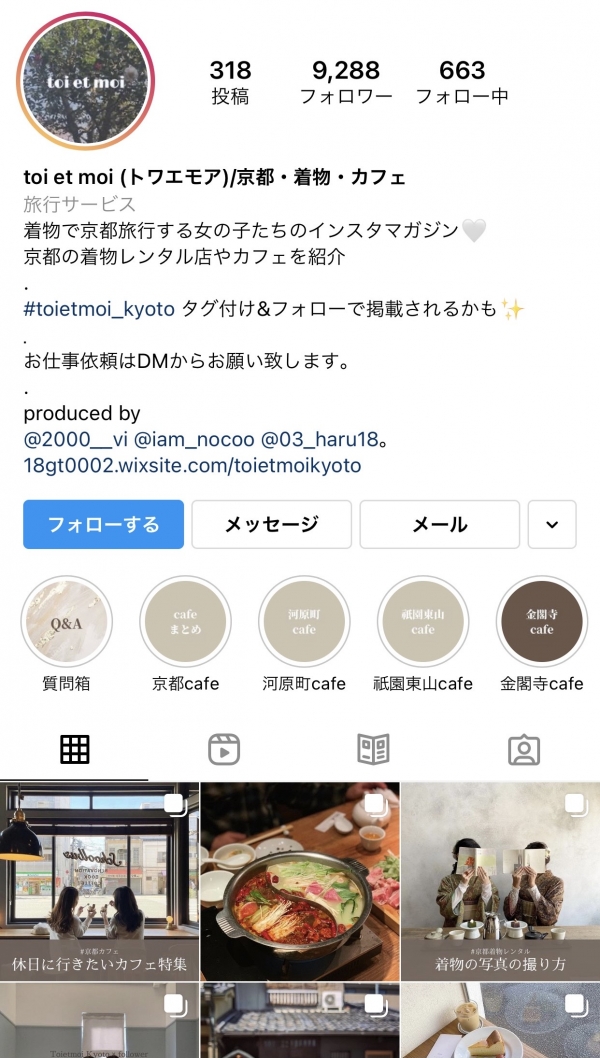 カフェチームメンバーが運営するインスタグラムアカウント「トワエモア」プロフィール
-
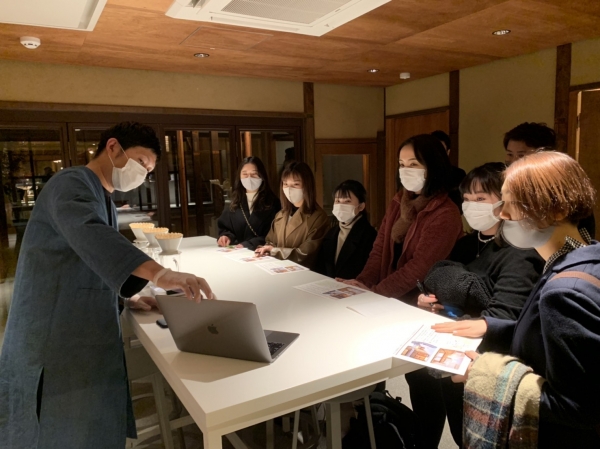 ブルーボトルコーヒーでの現地調査の様子
-
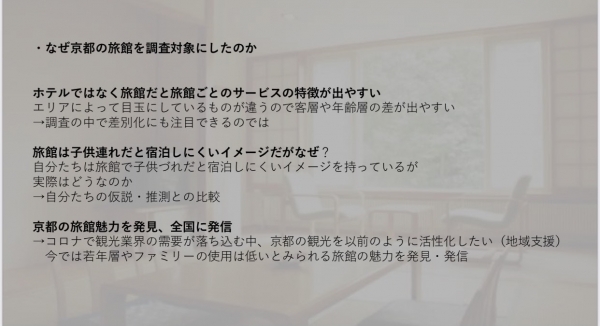 ゼミ紹介にて作成した子連れ旅行チーム発表パワポ
2020/12/09 23:50:00 和歌山三尾地区での下見:VR動画制作に向けて(河上幸子ゼミ)
- GTゼミ活動紹介
- Student Reporter
皆さん、こんにちは!グローバル観光学科3年次生の岡本夏奈・永井萌子・野口真央・松本慶士・和田梓です。私たちは、11月4日(水)に和歌山県の三尾へ行ってきました。三尾は和歌山県の西部、日高郡美浜町にある人口556人の地域で、明治時代から多くの移民をカナダへ送り出し通称アメリカ村として知られる場所です。私たち河上ゼミ観光イノベーション班は、三尾を紹介するVR動画制作に取りかかっています。この日は、その下見のために訪れました。三尾はJR御坊駅が車やバスで20分ほどの場所に位置しています。バスの本数が少ないため、三尾の地域振興に取り組む「NPO日ノ岬・アメリカ村」の副理事長をつとめる左留間豊幸さんや三尾在住で美浜町議員の鈴川基次さんが車で迎えに来て下さっていました。
最初に訪問したのは、三尾のバス停「アメリカ村」近くにある「カナダミュージアム」です。ここは、カナダ移民文化の象徴である和洋折衷の古民家を修復して2018年7月にできたミュージアムです。カナダミュージアムでは、三尾からカナダへ移住し、帰国した人々が三尾に根付かせたカナダの暮らしや文化を紹介しています。また、当時のスーツケースやセーター、ジャッキと呼ばれる遊び道具なども展示してあり、帰国した人々がもたらした歴史を感じることができます。また、大学を休学して三尾で1年間過ごされた東大生の岩永敦志さんが企画した「アメリカ村の看板婆さん」中津フデ展が開催されていました(今年12月28日まで開催)。英語混じりの日本語を話された中津さんの生涯が分かりやすく展示されています。
館内を拝観したあと「カフェ メープル」でパンプキンケーキとシナモンアップルティーを頂きました。ご自身の祖先もカナダへ渡られている三尾たかえ館長手作りのメープルクッキーや、カナダ直輸入のメープルシロップ、クリスマスカードも販売されています。お昼はレストラン「すてぶすとん」で「すてぶす丼」をいただきました!「すてぶすとん」とは三尾のカナダ移民先駆者、工野儀兵衛が渡ったカナダ西海岸ブリティッシュコロンビア州の港町「スティーブストン」が由来となっています。スティーブストンで鮭漁をしていた歴史にちなんで、ここではすてぶす丼こと、サーモン丼を一推ししています。海に近い地域ならではの新鮮で大きなサーモンとシラスをいただくことができ、ほっぺが落ちるくらい美味しかったです。他にもサーモンフライ、チキン南蛮など、メニューは多彩です。また、公民館の2階を改装したこのお店は、車椅子で利用できるバリアフリーの仕様になっています。
そして、「法善寺」を訪れました。まず目に飛び込んできたのはとても豪勢なお仏壇でした。またその奥にはたくさんのお位牌や三尾、カナダ移民に関する資料などが置いてありました。カナダへ移住する際、お位牌を預かり、帰ってきたらお返しするそうです。そしてお庭には美しい芝生と、和歌が彫られた石碑が複数置いてありました。そこには移住や三尾について詠まれた歌で、三尾の枕詞である「風早の」という言葉も発見しました。本堂落慶の協賛の札に円だけでなくドルの表示があったり、見せていただいたお位牌や名簿に、カナダの方の名前や住所もあったりと、カナダ移民の町なんだと改めて感じました。ご対応くださった前住職の岡本浄さんもとても優しく、お堂もお庭もきれいで心が落ち着きました。
次に私たちは、三尾の歴史や英語を毎週学んでいる「語り部ジュニア」の一期生が手作りしたウォーキングマップを見ながら、龍王神社を目指しました。まるで探検をするように、地図を見ながら細い路地を通っていくと、大鳥居が現れました。鳥居の奥には、山を登るような参道が続いていて、とてもスピリチュアルな雰囲気に包まれていました。樹齢の長い、大きな木々に囲まれた参道で耳を澄ませると、海から吹く強い風で枝が揺れて、ざわざわと音が聞こえました。木のアーケードのような参道を抜けると、県の指定文化財である、「龍王神社のアコウ」の木があります。樹齢約300年で、根回り10メートル、枝元まで11メートルもある大きな木です。たくさんの枝が絡み合って出来た大枝は、まるで人の腕や血管のようでした。周りの木とは違った神秘的なパワーが感じられる、不思議な大木です。アコウの木を見てから、拝殿に入ってお参りをしました。龍王神社の拝殿にも、法善寺と同じような、弗(ドル)価による寄進札が多く見られました。
最後に「語り部ジュニア」事業のリーダーで、近隣で長年教師をしてこられた柳本文弥先生が、紀伊半島の最西端である日ノ岬の灯台へも車で立ち寄ってくださいました。三穂の浦の沿岸を通り灯台へ向かうのですが、その途中には海猫島と呼ばれる小島が見えます。産卵の時期ではなかったため海猫の姿を見ることは出来ませんでしたが、島の大半を占める岩山の表面は海猫のフンでうっすらと白くなっており、雪が降っているようにも見え独特な雰囲気でした。海猫島のすぐ近くには御影石が嵌め込まれた石が道路に面して立っています。万葉集に詠まれた歌の一つである「風早の 三穂の浦みを 漕ぐ船の 船人さやぐ 波立つらしも」と、立った波に騒ぐ船人の姿を詠んだ、澤瀉久孝(おもだか ひさたか)の歌が彫られていました。その後、猪にも遭遇しながら山道を車で登り「日ノ御埼灯台」に到着しました。淡路島と遠くに見える四国の他に遮る物は無く、海に沈んでゆく夕日は絶景でこの日一番の強風を感じながら、ここでしか見られない景色を堪能しました。
当日は「遊心庵」という古民家一棟を利用したゲストハウスへも訪れました。たくさんの場所を訪れ、とても有意義な時を過ごすことができました。今回の下見で得た経験を活かし、三尾の方々にも認めていただけるようなVR動画作りを頑張ります!お世話になった皆様、ありがとうございました!!
Hello everyone! This is Kana OKAMOTO, Moeko NAGAI, Mao NOGUCHI, Keishi MATSUMOTO and Azusa WADA, and we are third-year GT students who belong to the Kawakami Seminar. Today we want to tell you about our trip to the Mio district of Wakayama Prefecture, which we visited on Wednesday November 4, 2020. The Mio district is known as America-mura. Mio can be accessed in around 20 minutes by car or bus from JR Gobō Station. There are not so many buses serving the district, so on the day we visited we were kindly collected from Gobō Station by Mr. Toyoyuki SARUMA, the Vice-Chair of the Hinomisaki/America-mura Regional Revitalization NPO and Mr. Mototsugu SUZUKAWA, a sitting member of the Mihama Town Assembly who lives in Mio.
The first place we visited in Mio was the Canada Museum, located right by the America-mura bus stop. Opened in July 2018, the architecture is a blend of east and west. The museum showcases the local culture and lifestyles of people who left for Canada and then came back to live out the rest of their lives in Mio. Atsushi IWANAGA, a Tokyo University student, came up with an idea for an exhibition charting the life and times of Ms. Fude NAKATSU, the Poster Grandma of America-mura. The exhibition runs until December 28, 2020. The handmade maple cookies served at Café Maple are a nod to links with Canada – the Museum Director Ms. Takae MIO herself had ancestors that emigrated to Canada.
Lunch was taken in the Sutebusuton restaurant and we had the Sutebusudon rice bowl! The name of the restaurant comes from the port town of Steveston in the province of British Columbia, where one of the pioneering emigrants from Mio, Mr. Gihei KUNO landed and settled after his journey across the Pacific. Then we visited Hozenji Temple. Looking at the names of the deceased in the temple registry, we found Canadian names and addresses, underlining the deep connections with Canada. We used a walking map created by a first-year student of the Let’s Kataribe Junior program that introduces the history of Mio in English and headed out to the Ryuo Shrine. We saw many dollars given as donations at both the Ryuo Shrine and at Hozenji Temple.
Mr. Fumiya YANAGIMOTO, an experienced teacher and the leader of the Let’s Kataribe program, took us to visit the Hinomisaki lighthouse. We also dropped by an old house called Yushin-an that serves as a guest house. Thanks to this introductory visit to Mio, we feel we can make a VR movie that really captures the spirit of the place. Thank you to everyone that made our time in Mio so special!
-
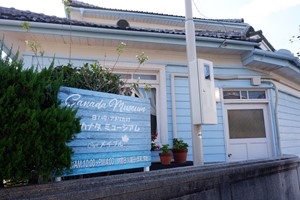 カナダミュージアムの外観
-
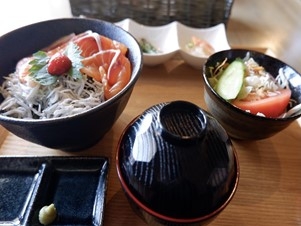 アメリカ村食堂「すてぶすとん」の「すてぶす丼」
-
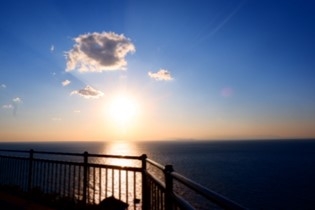 日ノ御埼灯台から見た夕日
2020/12/04 23:40:00 京都市内サイクルツーリズムの実証実験 (廣岡裕一ゼミ)Cycle Tourism in Kyoto
- GTゼミ活動紹介
- Student Reporter
みなさん、こんにちは!グローバル観光学科3年次生の宇都宮星と相川陽菜子です。今日は私たちが所属しているゼミでの活動を紹介します。廣岡ゼミは「旅行」をテーマにしています。11月18日に、KCTP京都サイクリングツアープロジェクト様にご協力頂き英語のガイド付きで京都市内サイクルツーリズムの実証実験を行いました。この日は11月の天気とは思えないほど暖かくてサイクリングにぴったりな日でした。
今回私たちは、未だ普及段階に留まっているシティーサイクルツーリズムをもっと広めるために①現段階で外国人観光客に人気の「サイクリングで観光」を日本人向けにどのようなコースを開発するべきか②女性向けにどのように販売していけばよいのかといった2つのテーマをもとにサイクリングツアーに参加しました。まず午前中は3つの班に分かれ、1班につき1人ガイドさんについてもらい様々な観光地を英語で案内してもらいました。コースは約2時間かけて、京都駅→建仁寺→高瀬川→宮川町→花見小路→平安神宮→京都御所を回りました。約15キロのツアー中、知っている道を自転車で行くのは新鮮で2時間があっという間に感じました。また訪れた場所で紅葉を見ることができ秋を感じながら景色も楽しむことができました。
ガイドツアーを通して特に印象に残ったのは、建仁寺に咲いている茶ノ木です。緑茶・紅茶・ウーロン茶すべて違うお茶の葉から作られているように思っていましたがすべて同じ茶ノ木から作られているそうです。また、宮川町で実際に初めて稽古に向かう舞妓さんを見かけたり、舞妓さんが練習している楽器の音を聞くことができたり、舞妓さんが暮らしている置屋の前には舞妓さんの名前が貼ってあるのを見るなど初めての経験がたくさんありました。
午後からは、事前に班ごとで決めていたサイクリングツアーのコースを巡りました。私たちの班では、京都御所から京都駅に戻るコースを作成し、途中にカフェ、漫画ミュージアム、元離宮二条城、梅小路公園、渉成園を目的地としツアーを行いました。まず、カフェに行き昼食休憩をしました。午前中のサイクリングで皆くたくたになってしまったので、可愛いカフェに行って気分転換しました。次に、二条城へ向かいました。私たちは、二条城内には入らなかったのですが、外からの様子では、現在「アートアクアリウム城 ~京都・金魚の舞~」が開催されているので、多くの観覧客賑わっているようでした。次に、京都水族館前の梅小路公園に向かいました。梅小路公園の大きな芝生でのんびりしながら、水族館のイルカショーを少しだけ観ることができました。
サイクリングツアーを終えて、今までは京都市内を移動するときは電車やバスを使っていましたが自転車で移動するのも天気が良ければ爽やかでとても楽しく、新しい発見がたくさんできるということに気づきました。今回回った観光地は普段外国人観光客で溢れている場所ばかりですが、コロナ禍で外国人観光客は全く見当たらず、観光業が直面している問題を身をもって感じることができました。最後に、今回の英語ガイド付きサイクリングツアー調査を行うにあたり、KCTP京都サイクリングツアープロジェクト様に大変お世話になりました。ありがとうございました。
Hello there everyone! This is Akari UTSUNOMIYA and Hinako AIKAWA, and we are third-year students in the Department of Global Tourism at KUFS. Today we want to introduce the activities of the Seminar of Prof. Yuichi HIROOKA that we are both affiliated with. The theme of our research for the Hirooka Seminar is “Travel”. On November 18, as part of our research and thanks to the kind cooperation of Kyoto Cycling Tour Project (KCTP), we took a cycling tour around Kyoto, led by an English-speaking guide. It was November, but the weather that day was lovely and warm – a great day to be out on a bike.
We had the following questions: 1. These tours are already popular with non-Japanese visitors to Kyoto, but what routes are best suited to Japanese visitors to Kyoto? 2. What is the best way to make this tour appealing to female visitors to Kyoto? We split into three groups for the morning, and each group had its own English-speaking guide who gave explanations at each stop on the route. The route took about 2 hours to complete, and started at Kyoto Station, after which we headed to Kenninji Temple, then the Takasegawa Canal, Miyagawa-cho and Hanamikoji, then Heian Jingu and finally the Kyoto Gosho Imperial Palace. With the bicycles and the explanations everything felt fresh and the 2 hours passed so quickly. The autumn scenery was another nice part of the tour.
Regarding the guided content, what left an impression on us were the flowering tea bushes at Kenninji Temple. We just assumed that green tea, black tea and oolong tea all came from different plants, but it turns out that they are all made from the leaves of the same plant. Over by Miyagawa-cho, we caught a glimpse of a maiko on her way to one of her first lessons, and we could hear other maiko practicing their instruments. We also learned about the okiya where these ladies live and how you can see the names of the maiko by the doorway of these residences. In the afternoon, we followed cycling routes that had been decided for each group. Our group created a route that would take us from the Kyoto Gosho Imperial Palace to Kyoto Station, stopping at a café, the Manga Museum, Nijo Castle, Umekoji Park and Shosei-en Garden before arriving back at Kyoto Station. We had lunch at the café and as many of us were rather tired after the morning’s exertions, we were quite happy to take a break in a cute café.
Then we headed off towards Nijo Castle. We did not go inside the castle grounds this time, so we just looked at Nijo-jo from the outside. There was an exhibition being held called Art Aquarium Castle – Kyoto: The Dance of the Goldfish. A lot of people were gathering outside the entrance, seemingly just about to go into the exhibition. Next on the list was Umekoji Park, which is located just in front of the Kyoto Aquarium. We relaxed on the grass and from that vantage point we managed to catch a quick glimpse of the dolphin show at the Aquarium.
At the end of the cycling tour, we reflected that we were so used to getting around Kyoto by train and bus and that cycling round the city on a sunny autumn day was a lot of fun, full of new discoveries. Many of the spots we visited on our tour would normally be teeming with non-Japanese visitors, but due to the COVID-19 situation we saw no foreign tourists anywhere, which served to highlight the challenges facing the tourism industry and really brought the situation home to us. Lastly, we wish to express our gratitude to: KCTP for providing us with the opportunity to experience this cycling tour with English guiding.
-
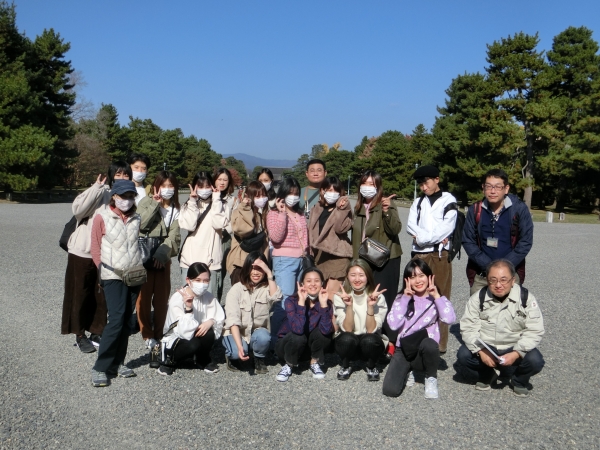 ツアーのゴール地点京都御所での集合写真
-
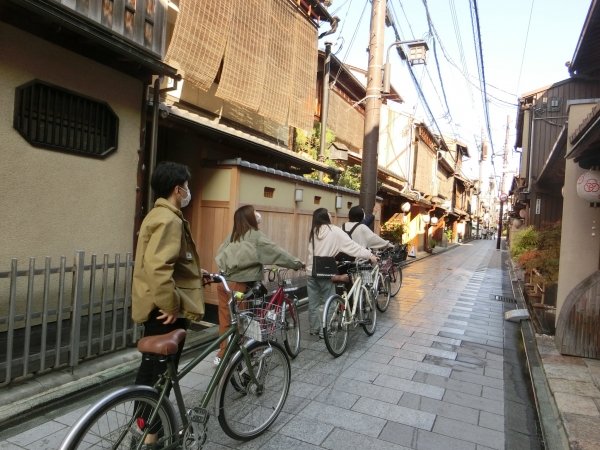 宮川町で舞妓さんが暮らす置屋を見ながら歩いている様子
-
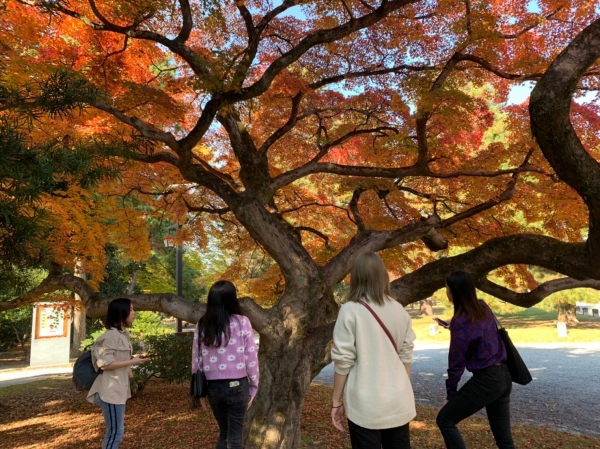 京都御所で紅葉も見物しました!
2020/11/25 08:00:00 沖縄県大阪事務所 ヒアリング調査報告(原一樹ゼミ)
- GTゼミ活動紹介
- Student Reporter
こんにちは!グローバル観光学科3年次生の吉上菜々香です。
私は観光調査研究ゼミで、「コロナ後、沖縄県の観光をいかに持続可能にしていくか」という関心のもと、グループのメンバーと春学期から調査を進めてきました。新型コロナウイルス感染拡大のため訪日観光客がしばらく見込めない中、国内観光客をどのように集客するか、また、沖縄の歴史を学ぶことへのきっかけを特に若年層に与えるにはどうすれば良いかを主な研究目的としています。調査を進めていく中で、沖縄県の観光の最新情報や関連資料を得るため、11月12日(木)に大阪市内にある沖縄県大阪事務所をグループのメンバーと訪れました。
沖縄県大阪事務所は、沖縄情報を発信・宣伝するために観光パンフレットが豊富に揃っている場所でもあり、沖縄県出身の職員の方にお話を伺うことができました。
ヒアリングでは、事前に用意していた質問事項を中心にお答え頂き、沖縄県への観光客数減少の現状やコロナ後の観光振興への施策を学ぶことができました。私たちが特に調査で焦点を当てているダークツーリズム(戦争や災害の跡などの悲しみの記憶を巡る旅)について、沖縄県の人々がどのように感じているのか伺ったところ、後世へ語り継ぎたいと言う人もいれば、思い出すのも辛いからと話したがらない人もおられるとのことでした。
私たちは、沖縄の有名な観光地と戦跡の両方をまとめたマップを作成することで、若者世代が歴史を学ぶことのきっかけづくりになると考えていました。ただ、戦跡が若者の間で心霊スポット化してしまうという事例も存在しているようで、そのような事態にならないよう、沖縄の人びとの想いを尊重することを第一に考え、今後の調査を進めていきたいと考えています。
沖縄県では今後、今まで沖縄を訪れたことのない沖縄旅行未経験者等の新規需要の開拓に加え2泊3日程度の泊数が多い現状を踏まえ、より長期間滞在して貰える観光地を目指し、観光客誘致を行っていきます。観光客と県民の安全・安心を守るために、観光客に感染対策を十分に行うよう促す取組を実施しているとのことです。
いただいた数多くの資料を活かしつつ、沖縄の人びとの想いを尊重した調査活動を今後も続けていきたいと思っています。
謝辞:今回のヒアリング調査にあたり、沖縄県大阪事務所様に大変お世話になりました。深く御礼申し上げます。
参考情報
沖縄県大阪事務所様HP http://www13.plala.or.jp/okiosaka/index.html
沖縄観光コンベンションビューロー様HP https://www.ocvb.or.jp/
-
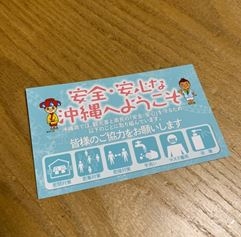 観光客への感染対策を促すカード
-
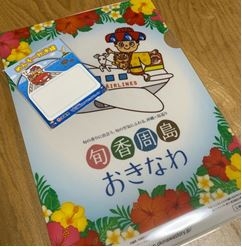 いただいたノベルティグッズ
2020/11/19 18:10:00 京を想い、京を歩く Kyoto Paths, Kyoto Thoughts (ジェフ・バーグランドゼミ)
- GTゼミ活動紹介
- Student Reporter
こんにちは。国際貢献学部グローバル観光学科3年次生の清水玲美です。今回は私が所属するジェフ・バーグランド先生のゼミについて紹介したいと思います。
3年の春学期から本格的にゼミの授業が開始されました。春学期はジェフ先生の専門である「異文化コミュニケーション」について学びました。コミュニケーションにおいて言葉とは必要不可欠なものと捉えがちですが、言葉以外の要素でもコミュニケーションが成り立っています。社会の多様化、グローバル化などによって人々の関わりや協働する機会が増えてきている中で、互いの文化を理解し尊重しあえることが異文化コミュニケーションであると考えました。その一方で、自文化を理解し発信して行くこともコミュニケーションを交わすにあたって大切な要素です。
それに加え、言葉以外の意思伝達で使われる非言語コミュニケーションについても学びました。日々の日常の中で、表情、感情、ジェスチャー、声のボリューム、視線、しぐさなどでもコミュニケーションが交わされています。例えば、目が泳いでいることによって相手には、困惑している、落ち着いていないと解釈される可能性があります。このような言語を交わさずに、意思伝達を図ることを非言語コミュニケーションと言います。これらの知識を得て、それぞれ興味を持つ観光形態と非言語コミュニケーションを関連付けた研究をしました。
秋学期の現在は、ジェフ先生が書かれたご著書『京を思い、京を歩く』を用いて、京都府のさまざまな地域のあるき方について学んでいます。この本を通して、繁華街である市内とはまた別の風情ある京都府内の素敵な場所をたくさん知ることができました。
Hello, I’m Remi SHIMIZU from Global Tourism Studies Department. I would like to introduce the seminar of Prof. Jeff Berglund that I belong to. It has begun from the spring semester of this year. I have learned about the field of intercultural communication which is Prof. Berglund’s expertise. It’s said that languages is indispensable in communicating with people, but it’s established with elements other than words. Under increasing opportunities for people to get involved and communicate due to social diversification and globalization, I thought that intercultural communication could help us understand and respect each other’s culture. On the other hand, intercultural communication is also an important factor in communicating to understand and output one’s own culture.
In addition, I learned “non-verbal communication” that is used as a method of communication. In our life, communication is done with such non-verbal elements as facial expressions, emotions, gestures, tone of voice, volumes and gaze. If someone’s eyes are shifty, it may be interpreted as confusing and restless for the other party. Non-verbal communication is the process of communicating without exchanging such languages. With this knowledge, we studied about related tourism themes of our interests and how they are associated with non-verbal communication.
In this fall semester, I learn about various different regions in Kyoto using the book he wrote: Kyoto Paths, Kyoto Thoughts. Particularly, I am learning a lot about different local areas in Kyoto Prefecture which have different atmospheres from the downtown city area.
-
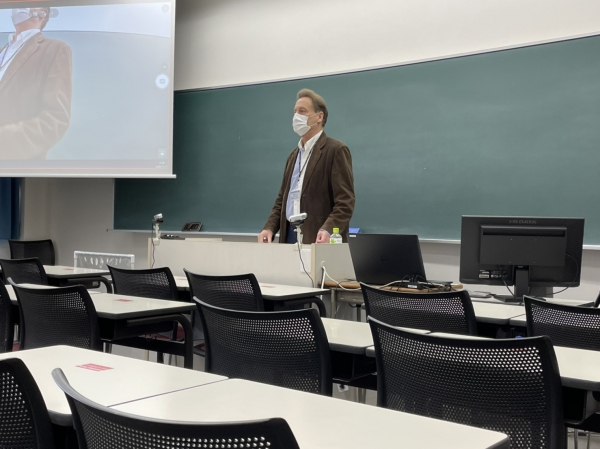 ジェフ・バーグランド先生
-
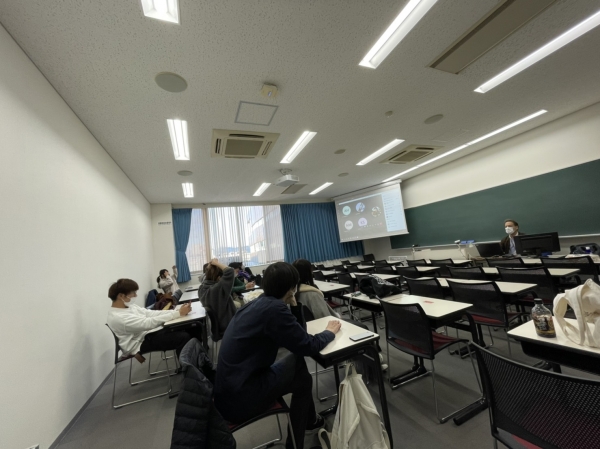 対面とオンライン併用でおこなわれているゼミの様子


