


CEP活動紹介
2024/06/01 08:20:00 30 Days Internship in Nagano - Think about `Ordinary` DGF Vol.2
 CEP活動紹介
 広報隊リー
Hello, here is the second volume of Ly's reflection on her internship experience in Yudanaka, Nagano.
On our 12th day in Nagano, it might have been an ordinary day in Japan, but it was special to me. That day was Tet, the Vietnamese New Year. Like this hot spring area, my hometown in Vietnam is also rural, with narrow roads where most neighbors know each other by name and face. Especially on Tet, families and friends gather regardless of work or busyness. The streets and homes are filled with spring yellow and red, with the music of New Year's Day playing, creating a warm atmosphere unique to Vietnam. Even during Tet in Vietnam, I continued working at the internship site just like any other day. While I was getting used to the work, at the end of the day, fatigue combined with the cold made me think even more about Vietnam. After work, I called my family, but the Wi-Fi at the accommodation that day was unstable. Once again, I reflected on the importance of "ordinary" things like stable internet. At that moment, all I wished for was stable internet to spend the three days of Tet talking to my family. Luckily, I managed to call my family during the three days of Tet.
Out of the week, there were four or five days besides working at the ryokan where I had time for independent research. On my days off, I explored the area around the accommodation. I found a teahouse called Tea Salon near Yudanaka Station. The interior was decorated in a warm and classic style, and when the old woman who managed the shop found out I was an intern, she warmly welcomed me with friendly and warm conversations. Thanks to that, I visited here multiple times as a place to warm up in the cold of Nagano. One day, when my roommate at the guesthouse and I were at the shop drinking coffee, foreign customers kept coming in one after another. Seeing the old woman struggling to handle it alone, we helped take orders and clean up. After helping out, the old woman told us, "Today's cafe is a gift from me to you." When we left the coffee shop, we felt full of happiness.
On the way back, I used to think that working part-time in customer service was "ordinary," but now I realize that without the experience of serving customers that day, I wouldn't have been able to help the old woman effectively.
The 27th February was the last day my team worked at the ryokan. Each of us received a letter from the ryokan's older sister. On our 30th day in Nagano, which was February 28th, it was the last day of our internship. Before participating in this internship, I had some part-time work experience, so I believe I learned different things rather than just skills of working the reception desk. It was about adapting to the environment.
The 30 days here changed me to be able to lift a linen bag twice as big as I had ever imagined carrying. And I was able to find small joys in admiring the beautiful mountains and snowy scenery in a place with limited facilities.
Being placed in a challenging environment made me cherish the "ordinary," the "usual," and made me realize that I could do things I couldn't do in the past. By leaving familiar places and stepping into new ones, I realized that I could find unexpectedly beautiful things. While leaving familiar places is sad, the happiest thing is knowing that someone is waiting for you. When leaving Nagano, what I can't forget is the beautiful scenery and the message from the coffee shop owner—saying, "Come back again someday, because I won't forget you."If there weren't a restriction to post only up to 3 photos in one blog, I would have posted 30 photos to share the beauty of Nagano's nature with everyone. Through this internship, what I gained has stayed with me as an individual.
-
 Yudanaka Shibu Hotspring
2024/05/31 15:10:00 30 Days Internship in Nagano - Think about `Ordinary` DGF- Vol.1
- CEP活動紹介
- 広報隊リー
Hello everyone. I'm Huynh Thi Ly, a third-year student majoring in Global Tourism. This blog is about the longest and most memorable experience of my university life. What experiences did you have during the CEP? I think each student has been impressed by something during this internship.As the title of the blog suggests, it's about reflecting on the importance of "ordinary" things for 30 days. Please read on to find out what that entails.
For this internship, I chose Yudanaka Shibu Onsen in Nagano province, a place close to Kanaya Ryokan—a famous Japanese anime shop featured in "Spirited Away." On January 29th, we departed. As we left Kyoto and prepared for the journey, I felt both excitement and a hint of sadness and anxiety. Leaving a familiar place can be lonely. It took us about 5 hours to travel from Kyoto to Nagano. As we neared Nagano, the roads outside the window were blanketed in snow, and I thought, "Ah, I've truly left Kyoto behind." Upon arrival in Nagano, the first thing that surprised me was the absence of ticket vending machines; instead, there were people holding boxes to collect tickets. We exited the station, where our teacher and the person in charge of our accommodation were waiting to guide us to the guesthouse.
The first day in Nagano was mainly spent surrounded by mountains, and the supermarket was quite far away. There were old and worn-out household items here, and we cleaned together and went to buy daily necessities. After tidying up the room, we joined a meal with members of the CEP Program.
The second day in Nagano was a free training day before the internship program started. We visited Snow Monkey Park, a famous tourist spot known for its hot springs in Yamanaka. We climbed up the mountain road and arrived at a park on a rocky mountain in Shiga Kogen, 850 meters above sea level. Upon arrival, we were truly overwhelmed by the magnificent and beautiful mountains and the snow-covered scenery around us. As the name of the park suggests, it is famous for the monkeys living in the natural rocky mountain environment. Especially in winter, the sight of monkeys soaking in hot springs amidst the snow-covered mountains symbolizes and attracts many tourists from around the world. When we visited, there were so many foreign tourists that it was difficult to find Japanese people. Here, tourists gathered with their smartphones and cameras to record every nice moment. After observing the monkey troop and the scenery, we went to a shop called "Tsukushi" and ate soba, a specialty of Nagano. On the third day in Nagano, we began our work at the ryokan. Our team of three was responsible for work at two ryokans, "Koishiya" and "Kadoya." Our tasks included collecting linens, cleaning the hot springs, front desk cleaning, toilet cleaning, and reception.
We started with linen collection. We checked the rooms that had been checked out, gathered items such as used sheets, pillowcases, towels, and yukatas, and then took them to the laundry, guided by the staff at the ryokan. On this first day, the memorable words from the ryokan staff who guided us were, "Greetings are the most important thing in this hot spring area because here the roads are so narrow."In the following days, we continued similar tasks at the ryokan according to the schedule, and once a week, we went to the supermarket to buy groceries. In the first week, as we were not yet accustomed to the work and life here, I reflected on "ordinary" things. In Kyoto, it only takes a few minutes to walk to the supermarket, and you can easily get convenient cooking utensils. But here, we had to go far to buy fresh ingredients, making cooking more difficult.
To be continued to Vol.2
-
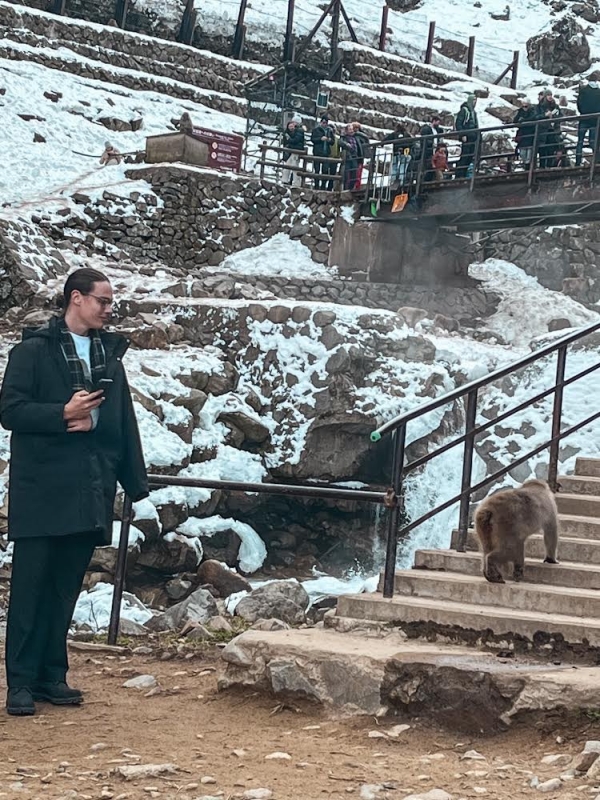 Snow Monkey Park
2024/04/13 02:50:00 タイでのCEP活動報告
- CEP活動紹介
- 広報隊廣田
皆さんこんにちは!グローバル観光学科3年次生の廣田歩夢です。大学生活も折り返しの3年目に突入し、今後の大学生活や将来やりたいこと、キャリアについて考える機会増やしていかないといけないなと強く感じています。
今回のブログでは春休み行われたタイでのCEPについて書いていきます。私たちのプログラムの最終ゴールはタイに来る日本人観光客を増やすために大学生が考える観光プランを発表することです。このゴールに向けて2月12日から3月5日までの約3週間、様々な見学や体験を行いました。それぞれの週で印象に残っていることについて共有をしていきます。
1週目にムエタイのレッスンを行いました。タイの国技として知られるムエタイですが、最近はその激しい動きからダイエット目的としても注目されています。実際にやってみて腰をひねって行う足技やひじをひねって行う防御など、全身運動であったことと日本に比べて暑いタイの気候の影響で全身が疲れました。レッスンが終わるとその日はもう何もやる気が起きなかったのを覚えています。
2週目、バンコクから車で2時間程離れたパタヤへ移動しました。パタヤはタイ有数のビーチリゾートとして知られています。滞在中、視覚、味覚を含め五感でタイの海を味わいましたが、清掃してもしきれない程のゴミが岸に打ち上げられており胸を痛めました。海岸清掃を行なって分かったこととして、PETボトルのゴミがやはり目立つということです。30~40分間清掃して5~6袋のゴミがありましたが、そのうちの大半をPETボトルが占めていました。海がきれいに見える理由としてサンゴによる働きがあると事前にタイの大学の授業にて解説を受けていた為、沿岸部で見た透き通るほどの美しい海を守るためにゴミを減らす努力を常にしなければならないと実感しました。
3週目、タイ国政府観光庁へ訪問しタイ観光における現状について講演をしていただきました。ここはタイ観光においてPRを専門にしているポジションだからこそ、タイが発信を強化しているコンテンツとその狙い、コロナから変化したタイ観光のスタイルなど大学での授業や事前学習だけでは理解をすることが出来なかったタイ観光の姿が分かり、今後の発表に向けて貴重な話を聞くことができました。
他にもスパイスや油、土や排気ガスが混ざった独特の香りを大量に吸った紙幣のにおい、タイならではの寺院、伝統工芸、オーガニックココナッツ農園、市場の中の活気など五感が刺激されっぱなしの期間でした。国土面積が日本の1.4倍を誇るタイ。事前に調べた行きたい場所も全て行くことが出来なかったことに加えて、滞在中に見つけたが、訪れられなかった場所などもあり、魅力が詰まっています。今回足を運ぶことのできたエリアはごく一部だからこそ、またタイへ行きたい。そう強く思った3週間でした。
Hello everyone! My name is Ayumu Hirota, and I am currently a junior in the Department of Global Tourism here at KUFS. As I reach the halfway point of my time at university, I find myself increasingly eager to explore opportunities that allow me to contemplate my future university life, my aspirations, and my career path.
Today, I'd like to discuss my experiences with the CEP, which took place in Thailand during our spring break. The primary aim of this program is to boost the number of Japanese tourists visiting Thailand by devising and presenting our own tourism strategies. To achieve this objective, we dedicated approximately three weeks, from February 12th to March 5th, to engaging in a series of visits and activities. I'm excited to share the moments that made a significant impact on me each week.
In the first week, we participated in a Muay Thai lesson. Muay Thai, recognized as Thailand's national sport, has also gained popularity as a method of weight loss due to its vigorous movements. The experience, which included a full-body workout involving hip twists for kicks and using elbows for defense, combined with Thailand's warm climate compared to Japan, left me utterly drained. I distinctly remember feeling completely depleted of energy after the lesson.
The second week saw us relocating to Pattaya, a two-hour drive from Bangkok. Known as one of Thailand's premier beach resorts, we immersed ourselves in the experience of Thailand's sea with all our senses. It was disheartening, however, to witness the considerable amount of trash on the shore, despite cleanup efforts. Participating in beach cleaning, I observed that plastic bottles were especially prevalent among the debris. Having attended a lecture at a local university about the crucial role of coral reefs in preserving the sea's beauty, I recognized the importance of ongoing efforts to reduce litter to maintain the pristine seas along the coast.
In our third week, we attended a lecture on the current state of tourism in Thailand at the Tourism Authority of Thailand. This institution, which specializes in tourism public relations, provided us with insights into Thai tourism that went beyond what we could learn from classroom instruction or preliminary research. We learned about Thailand's focused promotional strategies and how Thai tourism styles have evolved due to COVID-19. This lecture was not only valuable but will also be critical for our future presentations.
Moreover, throughout our stay, we were constantly stimulated by the sights, smells, and sounds of Thailand—from the scent of bills absorbing the aromas of spices, oil, soil, and exhaust gases, to the country's temples, traditional crafts, organic coconut farms, and the vibrant markets. Thailand's land area is 1.4 times larger than that of Japan. Although I couldn't visit all the places I had researched before coming to Thailand, as well as those I discovered during my stay, it's evident that Thailand is filled with attractions. My desire to return to Thailand is strong, as I only visited a few areas this time around. I made this resolution over the course of the three weeks.
-
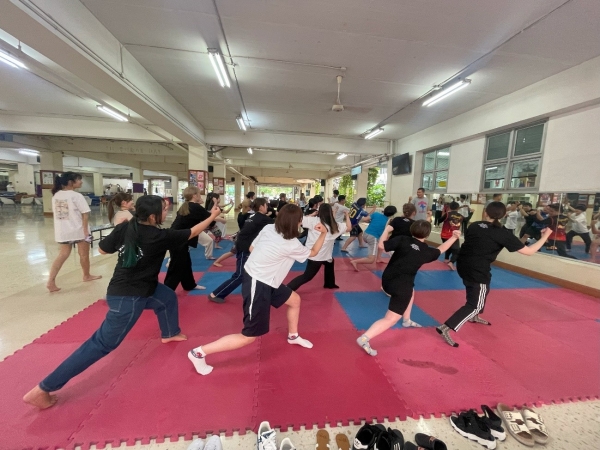 majiでtsukareru 5秒前
-
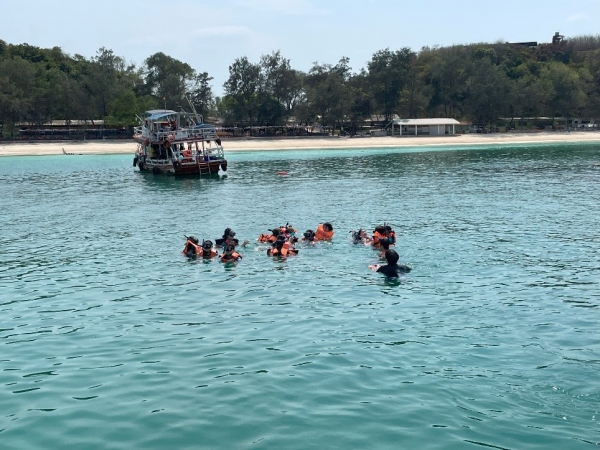 パタヤでのダイビング
-
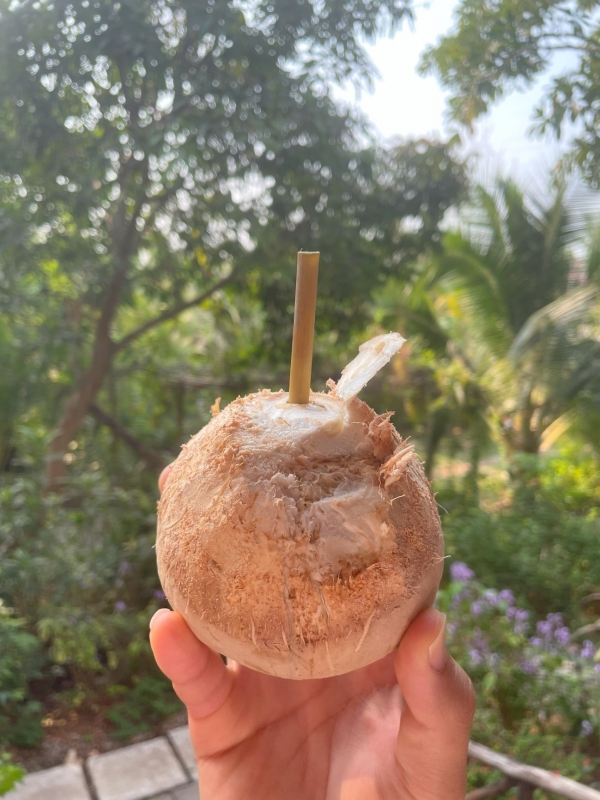 農園だからこそ味わうことのできる特別な味
2024/03/28 01:00:00 城崎温泉でのCEP報告
- CEP活動紹介
- 広報隊河原
皆さん、こんにちは。グローバル観光学科2年次生の河原のどかです。今回は春休みに約1か月間、城崎温泉で行われたCEPのプログラムについてお伝えいたします。私たちは「西村屋ホテル招月庭」様にて就業体験をしつつ、城崎温泉の魅力をより多くの人に知らせるべくマップを作成しました。まず、城崎温泉は兵庫県北部にあり、1300年以上の歴史がある温泉街です。その中で西村屋様は160年以上の歴史を誇り、格式ある老舗旅館として存在しています。「西村屋ホテル招月庭」様は別館として約100室の客室を構える城崎温泉の中でも大規模な旅館です。私たちは主に客室部のお仕事を体験しました。午前中はお客様が朝食会場に行かれている間のお布団上げや、チェックアウト後のお部屋の清掃をしました。リモコンに定位置があったり、客室によってもアメニティが異なっていたりと、お客様が快適に過ごされるように徹底された清掃方法にハイレベルのおもてなしを感じます。およそ5時間の休憩をはさみ、夕方からは夕食配膳のサポートを行いました。お部屋やダイニング、宴会でのお食事の係を日替わりで担当しました。社員さんによって、接客の雰囲気が異なっており、間近でその接客方法を学べたのがとても良かったと感じています。お客様も優しく大学の実習で来ていることを話すと、「頑張ってね」とお声がけくださる方が多く嬉しかったです。
また、就業体験と同時進行で、現地調査として城崎温泉街のマップを作成しました。城崎に行ったことはなかったのですが、SNSや前チームの様子を見て、新しいお洒落なカフェなどが多くある温泉街ということは把握していました。予想していたように、実際に行ってみて、行列ができるようなあんドーナツのお店やたまごパンのお店、コンセプトがオシャレなカフェなど多くありました。ただ、SNSでみるような情報だけでなく、城崎温泉の1,300年以上続く歴史や町の人の温かさ、風情に魅了されました。そこで私たちは、SNSなどでは発見しにくい情報を発信したいと考え、城崎温泉に来たからこそ手に入る形を意識し、印刷したマップを作成しました。そのため、掲載した情報はホテルの社員さんにおすすめのスポットを聞いてみたり、実際に生活して通ったお店などをまとめたりしています。
今回マップに取り上げた11箇所の中で、特に紹介したいのは伝統工芸品である麦わら細工です。麦わら細工とは江戸時代から続き、城崎にしかない工芸品です。今回は「かみや民藝店」様にてお話をお聞きしました。工程としては、麦のわらを自家栽培し、染色します。そして細く裂いた麦わらを繋ぎ合わせて柄を作り、それらを重ならぬよう貼り付けていきます。ニスなどを塗っておらずとも天然で輝くツヤや、白米を練ったものを接着剤で使うことを知り、とても驚きました。他にもグローバル観光学科の原一樹教授がプログラム前からおすすめしてくださっていた、温泉寺宝物館の三十三化身像は感動しました。マップを作成する上で手書きのイラストやデザイン、先方への確認など、苦労はたくさんあり、反省点もたくさんありましたが、なんとか完成できて良かったです。最後にこの度お世話になりました、西村屋の皆様、そしてマップ掲載にご協力いただいた方々、先生方に感謝を申し上げます。
Hello everyone! My name is Nodoka Kawahara, and I'm currently a second-year student majoring in Global Tourism. In this post, I'm thrilled to share my experience with the CEP program, which took place at Kinosaki Onsen over approximately one month during our spring break. Our project was hosted by the prestigious Nishimuraya Hotel Sogetsu-tei, and our main task involved creating a map to highlight the myriad attractions of Kinosaki Onsen and introduce more people to this beautiful location.
To give you a bit of background, Kinosaki Onsen is situated in the northern part of Hyogo Prefecture and boasts a rich history that spans over 1,300 years. Among its jewels is the Nishimuraya, a renowned and historic ryokan that has been welcoming guests for more than 160 years. Specifically, we were based at Nishimuraya Hotel Shougetsu-tei , one of the most expansive traditional inns in the area. Our experience was primarily centered around working in the guest room department. In the mornings, our duties involved cleaning rooms after guests checked out. This task taught us the importance of meticulous cleaning techniques and the thoughtful placement of amenities in each room, all aimed at ensuring guests' comfort and embodying the essence of hospitality.
After a five-hour break, my evenings were dedicated to assisting with dinner service. I had the responsibility of serving meals in various settings, including guest rooms, dining halls, and banquet rooms. This rotation offered me the invaluable opportunity to observe and learn from each employee's unique approach to customer service. The warmth and encouragement from guests, especially upon learning about my participation in a university internship, were truly heartwarming and encouraging.
Alongside my work experience, I embarked on a project to create a map of the Kinosaki hot spring resort area as part of my field research. Having never visited Kinosaki before, my initial impression was shaped by social media posts depicting it as a town peppered with trendy new cafes. True to my expectations, upon arrival, I discovered numerous cafes, each boasting its own unique and fashionable concept. However, what truly captivated us wasn't just the contemporary flair seen on social media but also the rich history of Kinosaki Onsen, dating back more than 1,300 years, and the genuine warmth of the local community. Our aim was to unveil those gems that aren't easily found on social media. As a result, we designed a printed map that offered insights only obtainable by visiting Kinosaki Onsen in person. To compile this information, we sought recommendations from hotel staff and included shops that we personally frequented and loved.
Among the 11 highlighted locations on the map, I'd like to spotlight the traditional craft of straw works. We had the privilege of interviewing Kamiya Mingeiten, a shop specializing in traditional straw crafts, a practice that dates back to the Edo period and is distinctive to Kinosaki. The artisans grow and dye the straw themselves, then meticulously tear it into thin strips, weave patterns without overlapping, and use a rice-based glue to bind the pieces—a process that surprised me with its natural sheen and absence of varnish. Another fascinating discovery was the 33 incarnations of the statues in the Onsenji-Temple Museum, highly recommended by Prof. Kazuki Hara from Department of Global Tourism. In closing, I extend my heartfelt gratitude to everyone at Nishimuraya, the professors, and all who contributed to the publication of the map.
-
 光沢が綺麗な麦わら細工の桐箱 A paulownia box with beautiful straw craft details
-
 就業終了の証をいただきました。 We received a certificate of completion.
-
 手書きのあたたかいマップを作成しました。城崎に行かれる際はぜひ参考にしてください。 Our handwritten map. Please refer to it when you visit Kinosaki!
2023/10/28 01:40:00 湯田中渋温泉郷で行った CEPのプログラムについて
- CEP活動紹介
- 広報隊梅沢
皆さんこんにちは!グローバル観光学科2年次生の梅沢小春です。皆さんはいかがお過ごしでしょうか。今回は、長野県の湯田中渋温泉郷で行ったCEPのプログラムについて紹介させていただきます。湯田中渋温泉郷は長野県の北東部に位置し、自然に溢れていてゆったりと過ごせる温泉街です。冬の時期はスノーモンキーで知られている「地獄谷野猿公苑」が有名で、外国人観光客からの人気も多くあります。そんな温泉街で私たちは1か月間旅館やホテルで就業研修や調査を行い、貴重な体験をさせていただきました。
私が研修に行かせていただいたのは「ホテル椿野」という湯田中温泉にあるホテルです。そこで行った主な研修内容としては、夕朝食の準備や提供です。研修が始まってすぐはお料理の盛り付けや膳立て、食器洗いなどを担当していましたが、仕事に慣れてきてからはお客様にお料理を提供させていただく機会を沢山頂きました。実際にお客様と接することで接客力やコミュニケーション能力か上がったように思います。また、お客様に「とてもご飯美味しかったよ、ありがとう」や「丁寧に接客してくれてありがとう」などと声をかけてくださったこともあり、お客様に喜んで頂くことの嬉しさを改めて感じられました。
また私たちは「お客様の満足度を下げないSDGs」というテーマで調査を行いました。研修を行いながらホテル内の課題を見つけ出し、私たちで解決策を考えて提案させて頂きました。例えば「お米の余りが多い」という課題には「お米で作れる簡単なお菓子の販売(お団子)」、また「古くなった浴衣などは捨てるだけでなく、コースターなどにリメイクする」などです。このように調査し提案させていただいて、SDGsについての考えが深まりました。また私たちは社長から「平日に連泊される65歳以上の夫婦」に向けてSDGsと関連付けたプランを考えてみてほしいとご依頼を受けたので、私たちは三つのプランを提案させていただきました。それは「食事少量プラン」「二泊以上の方向け清掃不要プラン」「アメニティなしプラン」です。これらのプランは京都外国語大学とのコラボとして実際にプランを販売していただけました。お客様に私たちが考えたものを届けられたこと、また研修させていただいたホテルの役に立てたような気がしてとてもうれしく思いました。
今回のプログラムを通して、ホテルで働くことの大変さを感じるとともにお客様をおもてなしすることのやりがいを感じられました。また、SDGsの調査を行ってみて、ホテルや旅館などの宿泊業はお客様へのサービスを重視するのでSDGsに取り組むことは非常に難しいことだと改めて思いました。しかし、最近は全ての世代でSDGsの認知度が上がってきているので様々な取り組みに挑戦していく姿勢が宿泊業にとって大事なのではないかと思いました。また休みの日は湯田中渋温泉郷の様々な場所を巡ったり、お祭りがあって花火を見ることができたりと楽しいこともたくさんあって、とても素敵な思い出になりました。
Hello everyone! My name is Koharu Umezawa, and I am a sophomore in the Department of Global Tourism. How are you all doing? Today I would like to introduce the CEP program that we conducted in Yudanaka Shibu Onsenkyo in Nagano Prefecture.
Yudanaka Shibu Onsenkyo is located in the northeastern part of Nagano Prefecture and is a hot spring resort town full of nature. In winter, it is famous for its snow monkeys that bathe in the Jigokudani Yaen-koen. This is a very popular spot among foreign visitors. During the summer we spent a month there working, training and conducting research at inns and hotels, which was a valuable experience for us.
The hotel I was sent to for training was the Hotel Tsubakino, located in Yudanaka Onsen. The main content of my training was preparation and serving of evening meals and breakfast. I oversaw serving, setting up, and washing dishes at the beginning of my training, but after I got used to the job, I had many opportunities to serve dishes to guests. I think my customer service and communication skills improved through actual contact with guests. When the guests said, "The food was very tasty, thank you" and "Thank you for your courteous service" I felt how happy we are to deliver good service to these guests.
We also conducted a survey on ways of implementing SDGs that do not reduce guest satisfaction. While conducting the training, we identified issues within the hotel and proposed our own solutions. For example, one issue from the kitchen was too much surplus rice. We proposed selling simple sweets that can be made from rice. Another issue was what do with old/worn yukata, and we proposed making them into coasters instead of throwing them away. Our research and proposals deepened our thinking about the SDGs.
We were also asked by the general manager to come up with a plan that would relate to the SDGs for couples aged 65 and over who stay for consecutive nights on weekdays, so we proposed three plans. These are "Small Meal Plan," "No Cleaning Plan for those staying two nights or more," and "No Amenities Plan". These plans were sold to staying guests as a collaboration with Kyoto University of Foreign Studies. We were very happy to be able to deliver our ideas to the guests and to feel as if we were being of some service to the hotel where we were being trained.
Through this CEP program, I was able to feel how difficult it is to work in a hotel and how rewarding it is to provide good service to staying guests. In addition, after conducting research on the SDGs, I realized once again that it is very difficult to deliver on the SDGs because the lodging industry, including hotels and inns, focuses on customer service over everything.
However, recently awareness of the SDGs has been increasing among all generations, so I thought that it is important for the lodging industry to be willing to take on the challenge. I also had a lot of fun on my days off, touring various places in Yudanaka Shibu Onsenkyo and watching fireworks during a festival, which was a wonderful experience.
-
 研修先のホテル「ホテル椿野」
-
 研修先の「ホテル椿野」のエントランスー大きなシャンデリアが華やかで洋風な雰囲気です
-
 お祭りであがった打ち上げ花火ー仕事があったので研修先から見えた景色で、少し遠かったけどとてもきれいでした


