


2024/06/14 23:40:00 500枚の写真を撮った、香川県旅行
 観光情報
 広報隊河原
みなさんこんにちは。グローバル観光学科3年次生の河原のどかです。だんだんと気温が高い日も増えてきましたね。さて、今回は5月の中旬に同じ学科生の友人と行った、香川県旅行について紹介します。
まず、1番のお目当てである小豆島 へ行きました。みなさんは小豆島をご存知でしょうか。私は行くのは高校生以来の2回目ですが、改めて魅力が多いと感じます。スポットとしてはオリーブ公園 、二十四の瞳映画村 、そしてエンジェルロード に行きました。特に印象深いのは二十四の瞳映画村です。「二十四の瞳」という昭和初期の小豆島を舞台にした物語があるのですが、本施設は映像化された時に使われたセットなどが展示されています。昭和前期の町の雰囲気がわかる看板や古い学校校舎がありました。スタジオジブリの「コクリコ坂から」という作品を観てから昭和時代に憧れを抱いていた私たちはたくさん写真を撮り合い、楽しみました。
15時頃には高松港へ向かう船に乗り、三豊市の父母が浜というビーチに行きました。ここはまるでウユニ塩湖のようなリフレクション写真が撮れることで有名です。着いた頃にはちょうど日暮が始まっており、オレンジ空と瀬戸内海が絵画のように美しかったです。私たちは好きなポーズをたくさんして、思い出を写真にも、心にも残しました。
日が明けて、2日目。朝からホテル近隣の製麺所のうどんを食べに行きました。さすがうどん県といわんばかりの賑わいで、地元の方がたくさんいました。お店の方は女性の方が多く、方言交じりで私たちの服をほめてくれました。うどんのお味も含め、朝からほっこりできました。
その後は電車で、四国水族館へ行きました。本水族館は4年前にオープンした比較的新しい水族館で、空間演出にこだわりを感じました。まるで絵画のような水槽や、魚の紹介ボードのイラストがとても上手なところ、瀬戸内の海や川が分かる様子にとても感動しました。
今回の旅行は盛りだくさんな計画だったため、ゆっくりしすぎてバス、電車、船の時間が迫り、走ることも多々ありましたが、それもまたいい思い出になりました。魅力に溢れている香川県、小豆島にまた訪れたいと思います。皆さんもぜひ、長期休みの旅行先としても行ってみてくださいね。
Hello everyone! I'm Nodoka Kawahara, a third-year student in the Global Tourism Department. The days are getting warmer, aren't they? Today, I'd like to share my trip to Kagawa Prefecture in mid-May with some friends from my department.
Our first destination was Shodoshima, the highlight of our trip. Have you heard of Shodoshima? It was my second visit since high school, and I found it just as charming as ever. We visited several spots, including Olive Park, the Twenty-Four Eyes Movie Village, and Angel Road. The most memorable for me was the Twenty-Four Eyes Movie Village. This facility showcases the sets and exhibits from the film adaptation of the story Twenty-Four Eyes, which is set on Shodoshima in the early Showa period. There were signs and old school buildings that gave us a glimpse of what towns looked like back then. Having admired the Showa era since watching Studio Ghibli’s From Up on Poppy Hill, we had a great time taking photos and enjoying the nostalgic atmosphere.
Around 3 PM, we took a boat to Takamatsu Port and headed to Chichibugahama Beach in Mitoyo City. This beach is famous for its reflection photos that resemble the Uyuni Salt Flats. When we arrived, the sunset had just begun, and the combination of the orange sky and the Seto Inland Sea was breathtaking. We took lots of photos in our favorite poses, creating memories both in pictures and in our hearts.
On the second day, we started our morning by visiting a local noodle shop near our hotel to try some udon. Known as the "Udon Prefecture," the place was bustling with locals. The staff, mostly women, complimented our clothes in the local dialect, which made us feel warm and welcomed. The udon was delicious, and it was a comforting start to our day.
Afterward, we took the train to the Shikoku Aquarium. This aquarium, which opened four years ago, impressed us with its creative spatial design. The tanks looked like paintings, and the illustrations on the fish information boards were very well done. We were deeply moved by how well it showcased the sea and rivers of the Seto Inland Sea.
Our trip was packed with activities, so we often found ourselves running to catch buses, trains, and boats. But even that became a fun part of our adventure. Kagawa Prefecture and Shodoshima are full of charm, and I definitely want to visit again. I highly recommend it as a travel destination for your next long holiday.
-
 左上:エンジェルロード 右上:オリーブ公園 左下:父母が浜 右下:二十四の瞳映画村
-
 四国水族館
-
 うどんをたくさん食べました
2024/06/08 17:20:00 ワーキングホリデー vol.1「ビザ」
- 留学関係
- 広報隊橋本
はじめに
こんにちは、グローバル観光学科3年次生の橋本永爾です。 皆さんはカナダをはじめとした海外に興味がありますでしょうか?私は大学を一年間休学し、カナダでワーホリをしてきました。そこで皆さんの中でワーホリをやりたいなと思っている人や、海外に行ってみたいけど、どうすれば行けるのかわからないという人の為にこのブログを執筆します。もちろん検索をすればなんでも出てくるこの時代ですのでもっと踏み入った内容、つまり良い点だけでなく悪い点も積極的に書いていこうと思います。
ただし、これから書くことは、あくまでも多様なやり方があるなかでの私の体験にもとづく一学生の見方です。京都外国語大学グローバル観光学科としての公式見解として提示するわけではありませんので、ご理解ください。
そもそもワーホリとは?
ワーホリとはワーキングホリデービザの略称で海外へ入国するために必要になるビザの一種です。ほかには就労ビザや学生ビザなどがあります。学生ビザではその国の大学や語学学校に入学こそできますが、ほとんどの場合働くことができません。日本に比べ物価の高い外国で一年という長い生活するためにはよほどの貯金がない限り難しいでしょう。反対に就労ビザは働くことがメインですので働けますが、こちらは正社員として働くイメージですので英語を学びたいという目標なら厳しい選択になると思います。なぜなら英語を学びたい目標なら意思疎通が100%完ぺきではないので雇ってもらえる可能性が低いからです。例外はもちろんたくさんあります。その点ワーホリはほかのビザと違い自由度が高いことが特徴の一つで、18歳以上30歳以下の人を対象に一つの国に一回の条件で発給されます。ワーホリはカナダやイギリス、オーストラリア、アイルランドなどの英語圏の国へも、ドイツやフランスなどの英語圏でない国へも行くことができます。ただし、アメリカはワーホリビザがありませんので行くことができません。
留学エージェント
ほとんどの人は、ワーホリビザを申請するとき留学エージェント(以下エージェント)に依頼し、申請を代行してもらう人が多いと思います。しかし、私はエージェントを利用することはお勧めしません。なぜなら、多額の仲介手数料を取られてしまうからです。私は、ビザをはじめ航空券や住まいなどは自分ですべて段取りをしたので、現地で出会った日本人の友達に聞いた話になりますが、ビザ代、海外保険代そして渡航代あわせて100万円ほど必要だったようです。しかし、自力でやれば、ビザ代:約3万円、渡航費:片道約15万程度であり 保険代に関してはあまり覚えていませんがここまでで約18万円ほどしかかかっていません。
もちろんエージェントに頼ると自分でやることはほとんどないので楽に海外に行けますが、私のように英語を勉強しに行く人なのであれば、自分でビザを取得してみてもよろしいのではないでしょうか。インターネットで検索し、画面とにらめっこしながら進めていくだけですが、ビザを自分の力で取得したのだ、と自己肯定感を上げることができるでしょう。もちろん大変ですし、実際に私も申請でいくつかトラブルがあり大変だった記憶があります。しかし、ビザ申請の完了という明確な目標があるので最後までやりきる力なども付くと思います。今回はここまでにします。次回は「都市選びと海外生活」です。
Introduction
Hello, I am Eiji Hashimoto, a third-year student in the Department of Global Tourism. Are you interested in Canada or other countries overseas?
I took a year off from university and went on a working holiday to Canada. I’m writing this blog for those of you who want to go on a working holiday or those who want to go abroad but don’t know how. Of course, nowadays, you can find anything if you search, so I’d like to provide more in-depth information, including both the good and bad points. However, what I am about to write is only one student's view based on my own experience among various ways of doing things. Please understand that what I am about to write is not the official view of the Department of Global Tourism at Kyoto University of Foreign Studies.
What Exactly is a Working Holiday?
A working holiday is a type of visa required to enter a foreign country. Other options include work visas and student visas. A student visa allows you to enroll in a country’s universities or language schools, but in most cases, you cannot work. Without substantial savings, it can be difficult to live for even a year in a foreign country where the cost of living is higher than in Japan. On the other hand, a work visa allows you to work full-time, but if your goal is to learn English, it may be a tough choice since you might not be hired due to less-than-perfect communication skills. There are, of course, many exceptions.
One of the characteristics of working holiday visas is their high degree of freedom compared to other visas. They are issued once per country to people aged 18 to 30. Working holidays are available in English-speaking countries such as Canada, the United Kingdom, Australia, and Ireland, as well as in non-English-speaking countries such as Germany and France. However, it is not available for the United States because they do not offer a working holiday visa.
Study Abroad Agent
When applying for a working holiday visa, most people ask a study abroad agent (I’ll just use the word “agent” from here) to handle the application on their behalf. However, I do not recommend using an agent because they charge a large amount in brokerage fees. I paid for everything myself, including visas, airline tickets, and housing. A Japanese friend I met there told me that the total cost, including visa fees, overseas insurance, and travel expenses, was around 1 million yen. However, doing it on my own, the visa fee was about 30,000 yen, travel expenses were about 150,000 yen each way, and insurance costs were minimal, totaling around 180,000 yen.
Of course, relying on an agent makes going abroad easier since there is almost nothing to do on your own. However, if you are going to study English like me, it might be a good idea to obtain the visa yourself. By searching on the internet and completing the process on your own, you will gain self-confidence and the satisfaction of knowing you did it yourself.
It is difficult, and I remember having some problems with the application and struggling. However, since you have the clear goal of completing your visa application, you will have the determination to see it through to the end. That's all for now. The next topic that I’ll cover will be "City Selection and Living Abroad."
-
 Robson Street in Vancouver
-
 バンクーバー国際空港
2024/06/01 08:30:00 長野の旅館での30日間のインターンシップ‐ 「普通」についての考え
- CEP活動紹介
- 広報隊リー
みなさん、こんにちは。グローバル観光学科3年生のフェン ティ リー です。今回のブログの話はおそらく私の大学生活の中で最も長く、そして私に とって最も記憶に残るブログです。CEP に参加した学生たちはどのような経験 をしたでしょうか?今回のインターンシップで、それぞれの学生が何かしらの 感銘を受けたに違いないとおもいます。
ブログのタイトル通り「普通」のことの重要性について 30日間、考えたインターンシップでした。それが何を意味していたのかを読み進めながら確かめてみてください。今回 のインターンシップでは、私は長野県にある湯田中渋温泉を選びました。そこは金具屋(有名な日本のアニメ「千と千尋の神隠し」に登場する金具屋)に近い場所です.
1月29日、私たちは出発しました。京都から荷物を準備して離れた とき、私の心には 30 日間を楽しみにする気持ちがありましたが、なんとなく悲しみや不安もありました。それはなじみのある場所を離れるのは寂しいからでしょう。私たちは京都から長野まで約 5 時間かかりました。長野に近づくにつれて、窓の外の道路は雪に覆われた景色で、私は「ああ、私はもう京都を離れてしまったのか」と思いました。長野に到着して最初に驚いたのは自動券売機 がなく代わりにチケットを受け取る人が箱を持って立っていたことでした。 駅から出て、私たちを待っていた先生や宿の人がいて、私たちをゲストハウス に案内してもらいました。 長野での初日は、周囲の景色が主に山々であり、スーパーマーケットまで かなり遠かったです。ここには古くて使い古された道具や品物があり、私たち は一緒に掃除し、日常的に使うものを買いに行きました。部屋を片付けた後、 私たちはこの CEP プログラムのメンバーとの交流のため、食事に参加しました。長野での 2 日目は、インターンシップが始まる前の自由研修の日でした。私たちは山 中湯で有名な観光地の一つ、スノーモンキーパークこと地獄谷野猿公苑に行きました。私たちは山 道を登り、海抜 850 メートルの高さにある志賀高原の岩山にある公園に到着し ました。ここに着くと、周囲の雄大で美しい山々と雪に包まれた景色に本当に 圧倒されました。公園の名前が示すように、ここは自然な岩山の環境の中、群れでくらすサルが有名です。特に冬には、雪に覆われた山々の景色の中で温泉 に浸かるサルの姿が象徴となり、世界中から多くの観光客を引き付けていま す。私たちが訪れたとき、外国人観光客が多く、日本人を見つけるのは難しい ほどでした。ここでは、観光客たちは携帯電話やカメラを持ち、すべてのかわ いい瞬間を記録するために集まっています。サルの群れやここでの景色を眺め た後、私たちは「つくし」という店に行き、長野の名物であるそばを食べました。
長野での 3 日目は、私たちが旅館での仕事を始める日でした。私たちのチ ームは 3 人で、「小石屋」と「かどや」の 2 つの旅館の仕事を担当しました。 私たちの主な仕事は、リネン回収、温泉の清掃、フロント清掃、トイレの清掃 です。最初はリネン回収から始めました。チェックアウトされた部屋をチェッ クし、それからお客様の使用シーツ、枕カバー、タオル、浴衣などを集めまし た。それからそれらをランドリーに持って行き、旅館の人に案内されました。 この最初の日に、私たちを案内した旅館の人の印象的な言葉は、「この温泉地 は狭いので挨拶することが最も重要です」というものでした。 次の日から、私たちはスケジュールに従って同じような仕事を旅館で続け、 週に一度、スーパーマーケットに食品を買いに行きました。最初の週は仕事と ここでの生活に慣れていなくて、バスから外を見て雪景色を眺めながら帰る と、私は「普通」のことについて考えました。京都では数分歩けばスーパーに着き、便利な調理器具を手に入れることができますが、ここでは新鮮な食材を 買うには遠くまで行かなければならず、自炊もより難しくなりました。
長野での 12 日目は、日本では普通の日かもしれませんが、私にとっては 特別な日でした。その日はベトナムの新年のテトでした。この温泉地と同様 に、私の故郷であるベトナムも田舎であり、道はかなり狭く、ほとんどの近所 の人々がお互いの名前や顔を知っています。特にテト(お正月)の日には、家 族や友人が仕事や忙しさに関係なく集まります。街中や家の中は春の黄色と赤で溢れ、テトの音楽が流れる中、ベトナムならではの温かい雰囲気を感じるこ とができます。ベトナムのテトの日にも、私はインターンシップ先で普段と同じように仕事を続けました。仕事にはだんだん慣れてきましたが、一日の終わ りには疲れとこの地の寒さが加わり、ますますベトナムを思い出しました。仕 事が終わると、家族に電話をかけましたが、この日の宿泊先の Wi-Fi は安定し ていませんでした。再び「普通」のことであるインターネットの重要性につ いて考えました。その時は、ただインターネットが安定していれば、テトの 3 日間を電話で家族と過ごしたいと願うだけでした。幸運なことに、少なくとも 私は 3 日間のテトの間に家族に電話することができました。 一週間のうち、旅館での仕事以外の 4 日間は、自由に研究する時間もありました。
休みの日には、宿泊地周辺を散策しました。私は湯田中駅の近くにある Tea Salon という喫茶店を見つけました。店内は暖かみのある古風なスタイル で飾られており、ここの店長であるおばあさんは私がインターン生であること を知ると、親しみやすく、温かい会話で私を迎えてくれました。そのおかげ で、私は長野の寒さの中で暖を取る場所として、ここを何度も訪れました。ある日、私とルームメイトがお店に来て、私たちがコーヒーを飲んだとき、外国人 客が次々とやってきました。おばあさんが一人で対応するのが大変そうだったので、私たちはおばあさんと注文を取ったり、片付けを手伝ったりしました。 手伝った後、おばあさんは私たちに「今日のカフェはまるで私たちに贈られた贈り物 だ」と言いました。私とルームメイトがおばあさんのお店から帰るみちすがら、私たちは幸せな気持ちでいっぱいに なりました。帰り道、私はアルバイトで接客することは「普通」のことだと思っていましたが、今ではその日、接客の経験がなかったら、おばあさんをうまく手伝えなかったでしょう。27 日目は私のチームの旅館で働く最後の日です。 旅館のお姉さんから私たちそれぞれに手紙が渡されました。
長野での 30 日目は 2月 28日で、長野でインターンシップの最後の日です。このインターンシップに参加する前に、私はアルバイトの経験がありましたの で、このインターンシップではスキルよりも異なることを学んだと思います。 それは、環境に適応することです。ここでの30 日間で、私は過去には考えられなかったぐらい、自分の背丈の二倍ぐらいになる大きなシーツの束を持ち上げることができるようになりました。そして設備の少ない場所の中で素晴らしい山や雪の景色を眺めることで 小さな喜びを見出すことができました。 困難な環境に置かれると、「普通」、「当たり前」のことをより大切にし、 過去にはできないことができるようになることに気づきました。そして、馴染 みのある場所を離れ、新しい場所に足を踏み入れることで、予想もしなかった 美しいものを見つけることができると気づきました。そして、なじみの場所を 離れることは悲しいですが、最も幸せなことは待っている人がいることです。
長野を離れるとき、私が忘れられないものは美しい景色と「忘れないから、いつかまた来てね」という喫茶店のおばあさんからのメッセージです。1 つのブログに最大 3 枚の写真しかあげられない制限がなければ、私は 30 枚の写真も投稿して、皆さんに長野の自然の美しさを一部感じてもらいたいです。このインターンシップを通じて気づきを得られたのは幸いでした。
-
 スノーモンキーパークこと地獄谷野猿公苑
-
 湯田中渋温泉郷
2024/06/01 08:20:00 30 Days Internship in Nagano - Think about `Ordinary` DGF Vol.2
- CEP活動紹介
- 広報隊リー
Hello, here is the second volume of Ly's reflection on her internship experience in Yudanaka, Nagano.
On our 12th day in Nagano, it might have been an ordinary day in Japan, but it was special to me. That day was Tet, the Vietnamese New Year. Like this hot spring area, my hometown in Vietnam is also rural, with narrow roads where most neighbors know each other by name and face. Especially on Tet, families and friends gather regardless of work or busyness. The streets and homes are filled with spring yellow and red, with the music of New Year's Day playing, creating a warm atmosphere unique to Vietnam. Even during Tet in Vietnam, I continued working at the internship site just like any other day. While I was getting used to the work, at the end of the day, fatigue combined with the cold made me think even more about Vietnam. After work, I called my family, but the Wi-Fi at the accommodation that day was unstable. Once again, I reflected on the importance of "ordinary" things like stable internet. At that moment, all I wished for was stable internet to spend the three days of Tet talking to my family. Luckily, I managed to call my family during the three days of Tet.
Out of the week, there were four or five days besides working at the ryokan where I had time for independent research. On my days off, I explored the area around the accommodation. I found a teahouse called Tea Salon near Yudanaka Station. The interior was decorated in a warm and classic style, and when the old woman who managed the shop found out I was an intern, she warmly welcomed me with friendly and warm conversations. Thanks to that, I visited here multiple times as a place to warm up in the cold of Nagano. One day, when my roommate at the guesthouse and I were at the shop drinking coffee, foreign customers kept coming in one after another. Seeing the old woman struggling to handle it alone, we helped take orders and clean up. After helping out, the old woman told us, "Today's cafe is a gift from me to you." When we left the coffee shop, we felt full of happiness.
On the way back, I used to think that working part-time in customer service was "ordinary," but now I realize that without the experience of serving customers that day, I wouldn't have been able to help the old woman effectively.
The 27th February was the last day my team worked at the ryokan. Each of us received a letter from the ryokan's older sister. On our 30th day in Nagano, which was February 28th, it was the last day of our internship. Before participating in this internship, I had some part-time work experience, so I believe I learned different things rather than just skills of working the reception desk. It was about adapting to the environment.
The 30 days here changed me to be able to lift a linen bag twice as big as I had ever imagined carrying. And I was able to find small joys in admiring the beautiful mountains and snowy scenery in a place with limited facilities.
Being placed in a challenging environment made me cherish the "ordinary," the "usual," and made me realize that I could do things I couldn't do in the past. By leaving familiar places and stepping into new ones, I realized that I could find unexpectedly beautiful things. While leaving familiar places is sad, the happiest thing is knowing that someone is waiting for you. When leaving Nagano, what I can't forget is the beautiful scenery and the message from the coffee shop owner—saying, "Come back again someday, because I won't forget you."If there weren't a restriction to post only up to 3 photos in one blog, I would have posted 30 photos to share the beauty of Nagano's nature with everyone. Through this internship, what I gained has stayed with me as an individual.
-
 Yudanaka Shibu Hotspring
2024/05/31 15:10:00 30 Days Internship in Nagano - Think about `Ordinary` DGF- Vol.1
- CEP活動紹介
- 広報隊リー
Hello everyone. I'm Huynh Thi Ly, a third-year student majoring in Global Tourism. This blog is about the longest and most memorable experience of my university life. What experiences did you have during the CEP? I think each student has been impressed by something during this internship.As the title of the blog suggests, it's about reflecting on the importance of "ordinary" things for 30 days. Please read on to find out what that entails.
For this internship, I chose Yudanaka Shibu Onsen in Nagano province, a place close to Kanaya Ryokan—a famous Japanese anime shop featured in "Spirited Away." On January 29th, we departed. As we left Kyoto and prepared for the journey, I felt both excitement and a hint of sadness and anxiety. Leaving a familiar place can be lonely. It took us about 5 hours to travel from Kyoto to Nagano. As we neared Nagano, the roads outside the window were blanketed in snow, and I thought, "Ah, I've truly left Kyoto behind." Upon arrival in Nagano, the first thing that surprised me was the absence of ticket vending machines; instead, there were people holding boxes to collect tickets. We exited the station, where our teacher and the person in charge of our accommodation were waiting to guide us to the guesthouse.
The first day in Nagano was mainly spent surrounded by mountains, and the supermarket was quite far away. There were old and worn-out household items here, and we cleaned together and went to buy daily necessities. After tidying up the room, we joined a meal with members of the CEP Program.
The second day in Nagano was a free training day before the internship program started. We visited Snow Monkey Park, a famous tourist spot known for its hot springs in Yamanaka. We climbed up the mountain road and arrived at a park on a rocky mountain in Shiga Kogen, 850 meters above sea level. Upon arrival, we were truly overwhelmed by the magnificent and beautiful mountains and the snow-covered scenery around us. As the name of the park suggests, it is famous for the monkeys living in the natural rocky mountain environment. Especially in winter, the sight of monkeys soaking in hot springs amidst the snow-covered mountains symbolizes and attracts many tourists from around the world. When we visited, there were so many foreign tourists that it was difficult to find Japanese people. Here, tourists gathered with their smartphones and cameras to record every nice moment. After observing the monkey troop and the scenery, we went to a shop called "Tsukushi" and ate soba, a specialty of Nagano. On the third day in Nagano, we began our work at the ryokan. Our team of three was responsible for work at two ryokans, "Koishiya" and "Kadoya." Our tasks included collecting linens, cleaning the hot springs, front desk cleaning, toilet cleaning, and reception.
We started with linen collection. We checked the rooms that had been checked out, gathered items such as used sheets, pillowcases, towels, and yukatas, and then took them to the laundry, guided by the staff at the ryokan. On this first day, the memorable words from the ryokan staff who guided us were, "Greetings are the most important thing in this hot spring area because here the roads are so narrow."In the following days, we continued similar tasks at the ryokan according to the schedule, and once a week, we went to the supermarket to buy groceries. In the first week, as we were not yet accustomed to the work and life here, I reflected on "ordinary" things. In Kyoto, it only takes a few minutes to walk to the supermarket, and you can easily get convenient cooking utensils. But here, we had to go far to buy fresh ingredients, making cooking more difficult.
To be continued to Vol.2
-
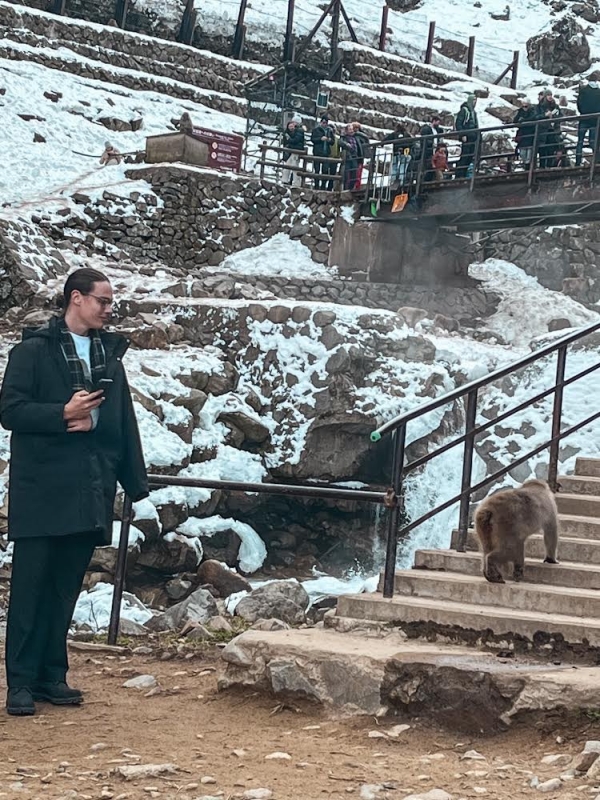 Snow Monkey Park


