


授業関係
2026/10/20 10:00:00 地域とともに歩む旅館の仕事を学ぶ!西村屋社長の講義&インターンシップ
 授業関係
 グローバル観光学科学生
今回は、兵庫県・城崎温泉の老舗旅館「西村屋」の西村総一郎社長による講義と、学生のインターンシップ体験をご紹介します。
【城崎温泉の未来を考える!西村屋社長によるゲスト講義】
2026年6月29日(月)、グローバル観光学科の必修科目「観光学A」にて、城崎温泉・西村屋の7代目社長、西村総一郎様をお迎えし、お話を伺いました。
講義では、西村屋のさまざまな取り組みをはじめ、観光業界の現状や、城崎温泉・兵庫県の未来に向けた地域づくりなど、幅広いお話を伺いました。
特に印象的だったのは、西村屋が地域を牽引する企業として、数十年先を見据えた取り組みを進めていることです。
地域医療や交通、教育など、地方都市が抱える課題に対しても、民間企業ならではの柔軟な発想を活かし、行政と連携しながら解決に向けて取り組んでいることを学びました。
また、企業として一時的な利益を追求するのではなく、地域との継続的なつながりやリピーターを大切にし、「当たり前のことを当たり前に」行うこと、そして「みんなの当たり前を向上させること」を重視されているというお話も心に残りました。
旅館の経営だけでなく、城崎温泉という地域全体の未来を考える西村社長の姿勢が伝わる講義でした。学生からもさまざまな質問が寄せられ、観光と地域社会のつながりについて考える貴重な学びの機会となりました。
(グローバル観光学科4年・田中颯大)
【初めてのインターンシップで学んだ「自分から行動する力」】
続いて、2026年8月17日から30日まで、西村屋ホテル招月庭でインターンシップに参加した1年生の体験をご紹介します。
私は今回、朝食バイキングや夕食ダイニングでのお客様のご案内・お食事の提供、ラウンジでのドリンク提供、お出迎えやお見送り、客室清掃など、さまざまな業務を体験させていただきました。
このインターンシップを通して、特に身についたと感じているのは、「お客様のために自分から行動する力」です。
最初は失敗することが怖く、指示を待ってしまうこともありました。しかし、社員の方々の温かいサポートやアドバイスのおかげで、少しずつ自分からお客様に話しかけられるようになりました。
海外からのお客様への道案内や簡単な英会話にも積極的に挑戦しました。また、お客様にとって心地よい接客とは何かを自分なりに考えながら取り組み、アンケートで接客を褒めていただいたときは、とても嬉しかったです。
初めてのインターンシップで不安もありましたが、勇気を出して主体的に行動することの大切さを学び、自分自身の成長を感じることができました。
(グローバル観光学科1年・岸見和沙)
English Summary
On June 29, 2026, students in the Department of Global Tourism attended a lecture by Soichiro Nishimura, the seventh-generation president of the traditional Japanese inn Nishimuraya in Kinosaki Onsen, Hyogo Prefecture. He shared insights into the hospitality industry and his company’s efforts to address regional challenges, including healthcare, transportation, and education. The students learned about the important role that tourism businesses play in supporting sustainable regional development.
In August, a first-year student completed a two-week internship at the Nishimuraya Hotel Shogetsutei. Through hands-on experience in guest services, dining services, and housekeeping, she learned the importance of taking the initiative and communicating with guests, including international visitors. This experience helped her gain confidence and developed practical hospitality skills.
-
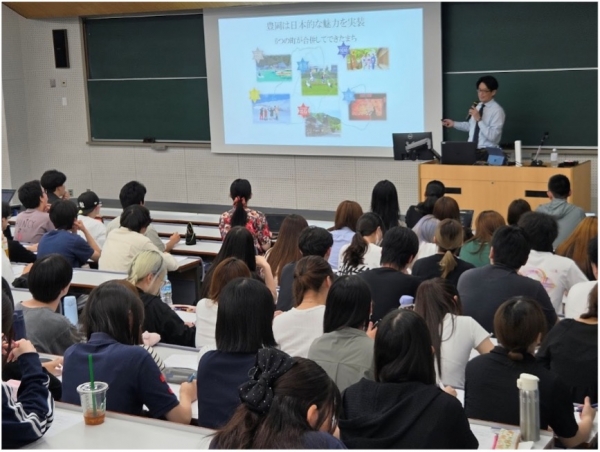 西村社長によるゲスト講義の様子
-
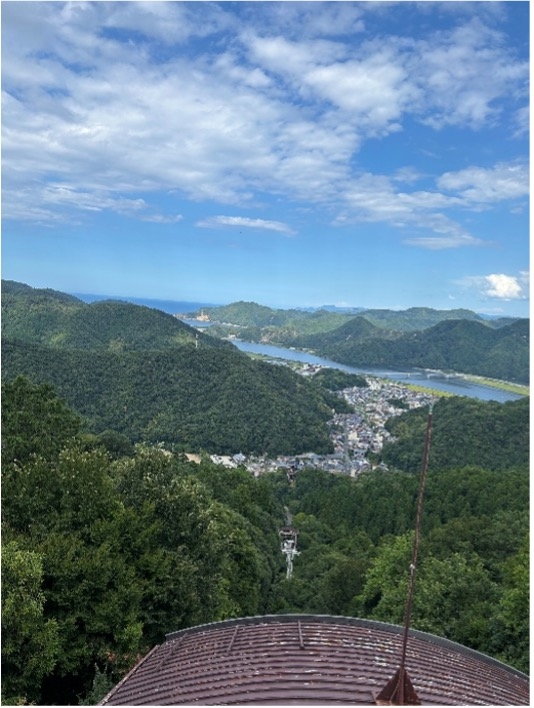 ロープウェイから見た城崎温泉
-
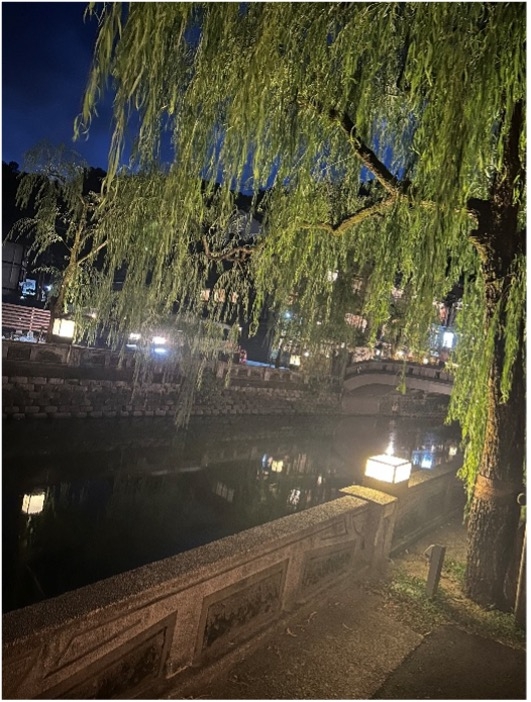 城崎温泉の街並み
2026/03/30 23:10:00 国内から海外へ旅程管理主任者(添乗員)資格取得の体験談
- 授業関係
- 広報隊 山下
みなさん、こんにちは。グローバル観光学科4年次生の山下空真です。今回は、旅程管理主任者資格取得の体験談を紹介したいと思います。旅程管理主任者は、ツアーコンダクター(添乗員)とも呼ばれ、その言葉は聞いたことがある方も多いのではないでしょうか。
添乗員はガイド(観光地の説明している人)ではありません。まず、旅程管理主任者の資格を取得しようと思った理由を紹介します。1つ目は、学生時代に多くの資格を取得したいと考えたことです。2つ目は、私のゼミの平田眞康先生から、この資格を取得されている話を聞き、とても魅力的だと感じました。こうした理由から、私は3年の時に国内旅程管理主任者の資格取得に挑戦しました。
京都外国語大学で開講されている資格講座の1つに、「国内旅程管理主任者対策講座」があります。受講するには、講座内容や日程・時間・費用などが掲載されている資格サポートのサイトがあります。所定の期間内に必要事項を入力、申し込み後、資格サポートから詳細が送られてきます。受講料が必要な場合は、期日までに振込をして受講が確定します。また、4号館2階 キャリア支援部横の資料スペースに資格サポートがあり、相談することも可能です。このような流れで11月の土曜日に、業法・約款・国内添乗実務について株式会社ケイズブレインの先生から学び、試験に合格しました。そして12月に和歌山方面で実務研修を行い、資格を取得しました。実務研修では、私と同じく資格サポートの講座を通じて受講した学生に加え、他大学の学生や社会人の方も含め、30人参加しました。旅程管理主任者を取得するには、講習の修了前後に1年以内に1回以上、または、講習の終了後3年以内に2回以上の経験が必要とされています。ここでいう経験は実務研修のことを指します。実務研修では、施設の出発・到着時刻の記入や行程全般の評価、立寄地やお客様案内時の注意点などを、添乗報告書にまとめて提出しました。
例えば、8:25なんばHatch前出発といった時刻を記録しました。また、高速道路が空いていたため予定より早く到着した場合は、サービスエリアの休憩時間を少し長めに取ることを書きました。そして和歌山実務研修の時に、立ち寄り施設の1つであった和歌山マリーナシティでは、1,500円のクーポンがあり、超過分は、お客様ご自身でお支払いただくことを記録しました。他にも、バス車内での挨拶や人数確認などロールプレイを通じて、旅程管理実務を学びました。そして4年の秋学期に、海外を添乗できる総合旅程管理主任者の資格取得に挑戦しました。国内旅程管理主任者の講習で学んだ、株式会社ケイズブレインから申し込みをして、11月の土日に2日間にわたり、講習を受けました。私と他大学の学生と一緒に、旅行英語・海外旅行業務を学びました。
試験に合格し、昨年12月6日から9日までグアムへ実務研修に行き、資格を取得しました。実務研修では、私と他大学の学生、社会人3人の5人参加しました。他大学の学生とは仲良くなり、社会人の方とは4月からの勤務先や就職活動についてなど、さまざまな話をすることができました。グアムでの実務研修では、和歌山での実務研修とは異なりロールプレイ形式の実習はありませんでした。(添乗報告書はありました。)その代わりに、株式会社ケイズブレインの先生がどのように行動し、どのような点に気を配っているのかを間近で見ることができました。まず、参加者全員が安心して行動できるよう、集合時間や次の行程についてこまめに共有していた姿が印象的でした。また、(添乗員はガイドではないと書きましたが)観光スポットについての質問に丁寧に対応してくださり、添乗員としての知識の大切さを実感しました。そして、税関申告の手続きがあったのですが、その際に一人ひとりに声をかけていた点など、常にお客様(参加者の私たち)を考えてくださった行動が印象に残っています。最後に今後、私がお客様を国内・海外旅行へ添乗する立場になった際には、この研修で学んだことを大切にし、安全で楽しい旅行を提供できる添乗員を目指したいです。
I decided to try to get the Domestic Tour conductor qualification in my third year. I learned from the instructor at K's brain Company, through the school's qualification support program. On a Saturday in November, I studied Travel industry law, Terms and conditions and Domestic Tour conductor practice, and passed the exam. And in December, I completed practical training in the Wakayama area and got my qualifications. During the practical training, I compiled and submitted a tour report covering the facility's departure and arrival times, an overall evaluation of the itinerary, and points to note regarding stops and customer guidance. Additionally, through role-playing exercises such as greeting and taking attendance on the bus, we learned practical skills for managing the itinerary.
In the fall semester of my fourth year, I challenged myself to get the qualification abroad tour conductor. I applied through KsBrain Company, who had learned the Domestic Tour conductor training, and attended the two-day over a weekend in November. I studied travel English and overseas tour conductor practice along students from other universities. After passing the exam, I went on a practical training to Guam from December 6th to 9th last year and got my qualification. I was able to directly observe how the instructors at
KsBrain company conduct themselves and what points they pay attention to. First, it was impressive how they consistently shared information about assembly times and the next steps to ensure all participants could act with peace of mind. Additionally, they responded politely to questions about tourist attractions, making me realize how important their knowledge is as tour conductors. And then, during the customs declaration process, I was particularly impressed by how they consistently considered us, the customers (the participants), such as by addressing each person individually.
Finally, when I take on the role of accompanying customers on domestic and overseas tours in the future, I want to keep what I learned in this training close to heart and strive to become a tour conductor who can provide safe and enjoyable trips.
-
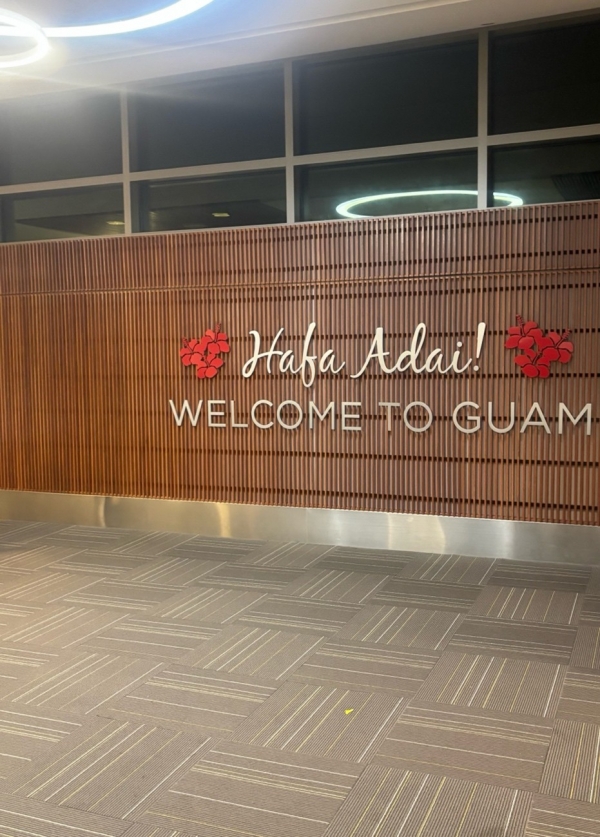 総合旅程管理 実務研修の行き先であったグアム!
-
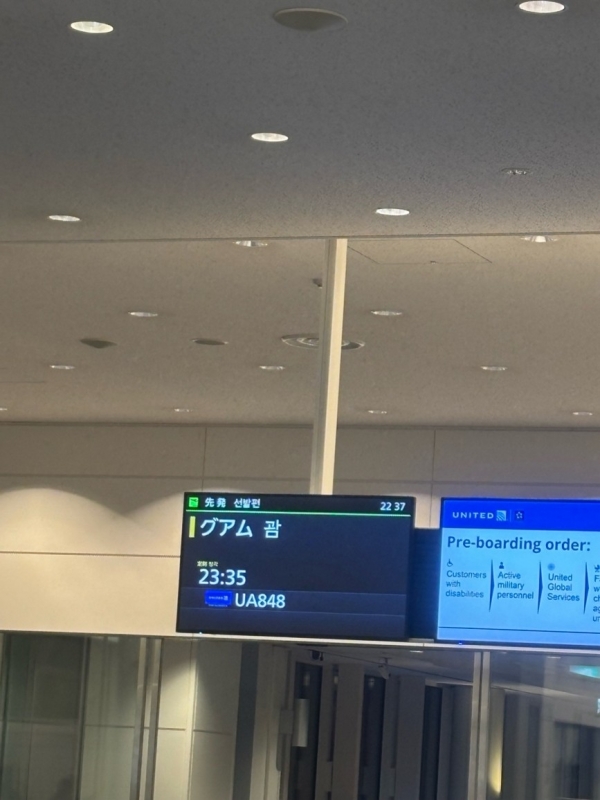 グアムに向けて出発!(羽田空港で筆者撮影)
-
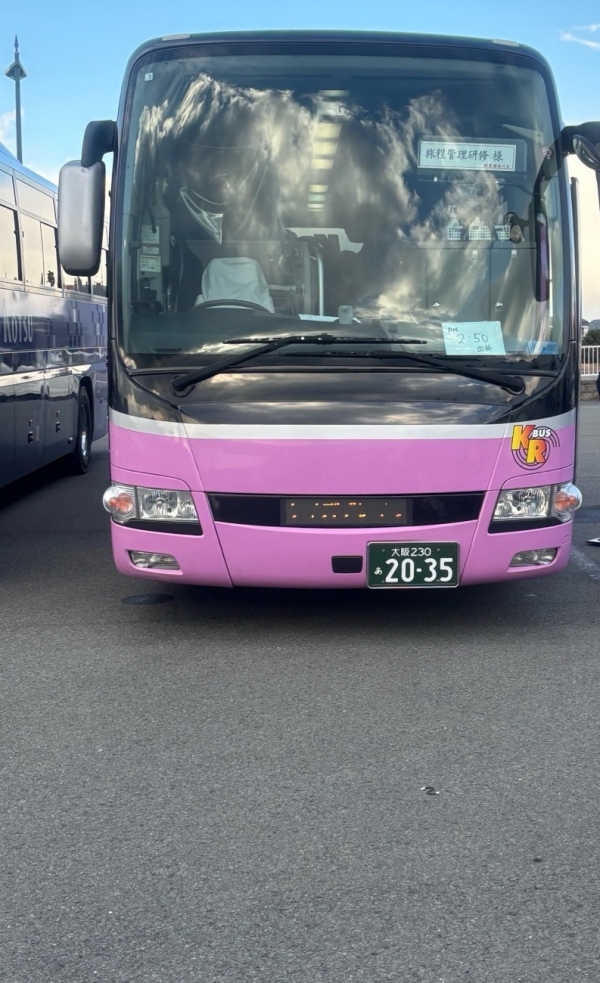 和歌山実務研修で利用したバスです
2026/01/25 15:30:00 毎回ワクワクするAkari Sticks!! GTa3クラスのDestination Studies I 授業紹介
- 授業関係
- 広報隊 山下
みなさん、こんにちは。グローバル観光学科、4年次生の山下空真です。今回は、春学期の英語必修科目であった「Destination Studies I」(GTa3クラス)の授業を紹介します。
※Destination Studiesの授業は、現在の3・4年のカリキュラムに含まれています。今の2年以下の皆さんは、今回紹介する授業を受講しませんが、授業内容や雰囲気が少しでも伝われば嬉しいです。
グローバル観光学科の英語授業について
本題に入る前に、グローバル観光学科の英語授業について簡単に紹介します。英語の授業はレベルや目的に合わせて複数のクラスに分かれて行われます。複数のクラスに分かれて行われ、曜日・時間帯・授業内容・使用する言語(日本語/英語)の割合、教科書は担当の先生によって異なることがあります。
Destination Studies I(GTa3クラス)の授業紹介
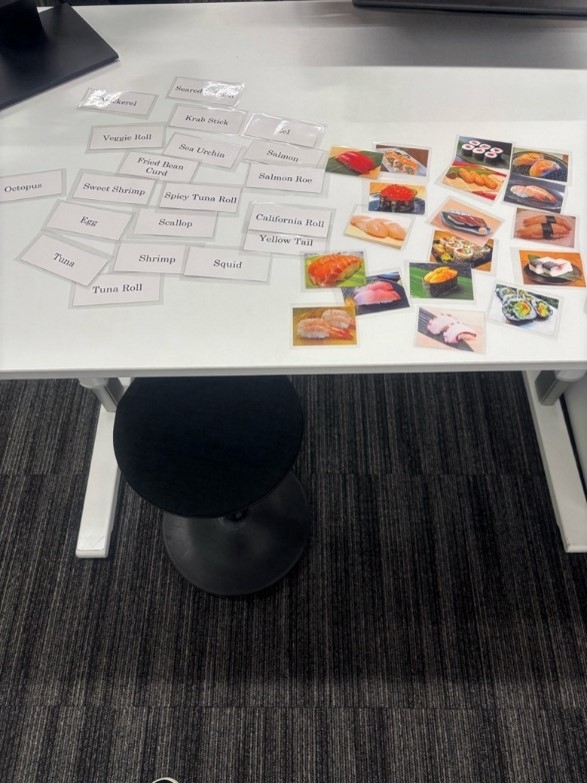
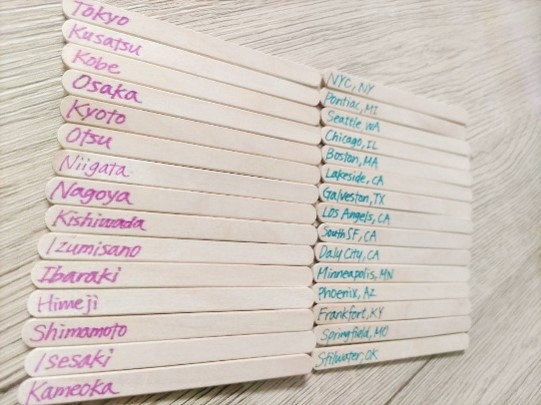
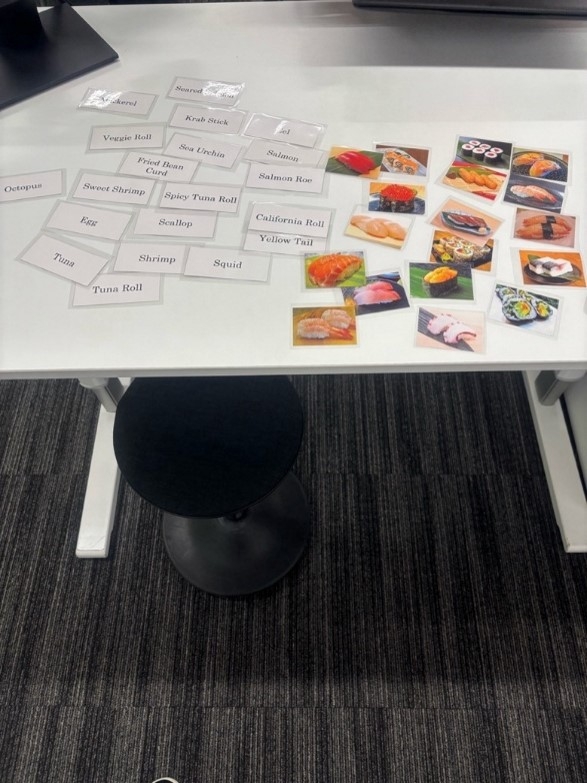
私が受講したGTa3クラス「Destination Studies I」(春学期)は、今年、着任された梶原朱里先生が担当してくださいました。この授業では出席登録後に「毎回ワクワクするAkari Sticks」を引き、その日のペアを決めます。Akari Sticksにはさまざまテーマがあり、写真1枚目のAkari Stickは、ガリガリ君のアイス棒(スティック)に、学生の出身地にちなんだアメリカの姉妹友好都市名が書かれていました。写真2枚目のように、寿司の写真と英語名が書かれたくじの日もありました。ペアを見つけたら、ワークシートが置かれたテーブルに一緒に着席し、教科書の問題を解いたり、ワークシートを使って活動したりしました。
この授業では、教科書に加えてPBL(課題解決型学習)をベースにした3回の英語プレゼンテーションを行いました。1回目のテーマは、「クラスメイトに勧めるペット」で、犬や猫、魚以外のペットについて調べて紹介しました。2回目は、「4年生のお気に入りのキャンパススポット」で、発表で作成したチラシを1年生の英語クラスに配布してくださいました。その後、1年生の皆さんから、写真やイラスト付きの英語コメントをいただき、クラス全員で楽しく読ませていただきました。おすすめの場所を訪問し、コメントを寄せてくださった1年生の皆さん、ありがとうございます。最後のテーマは、「2025年新発売のアイスクリーム」についてでした。1回目と2回目は、少人数の前で発表でしたが、3回目はクラス全員の前で行いました。最終発表の前には、クラスを半分に分けてリハーサル練習を行い、その際にクラスメイトからスライド内容や話し方などについてアドバイスやコメントをもらい、本番に臨みました。
梶原先生からのコメント
英語(語学)は自分の考えや意見を伝えるための手段です。教科書で学ぶ知識だけでなく、自分自身の回りの事柄を、“工夫して相手に伝える“ことを実践してもらいたくて、この発表を講義に取り入れました。1年生とのやり取りも、双方にとっていい学びでした。Akari Sticks は、クラスの中で自然に声をかけやすくなる教材として作成しました。ほかにもいろいろなテーマのAkari Sticksがあるので、ぜひ授業で体験してみてください。GTa3のクラスの学生のみなさんは、私が今まで担当したクラスの中でも特にお互いに協力し合って、積極的に取り組んでくれたので、毎回授業に行くのが楽しみでした。私にとっても学ぶことが多く、京都外国語大学での特別な講義になりました。
最後に、秋学期のDestination StudiesⅡ(Gta3クラス)は、担当の先生が変わり、(私にとっては)少し難しい内容に苦戦しましたが、おかげで4年次生として最後まで悔いのない学生生活を楽しむことができました。ありがとうございました。
-
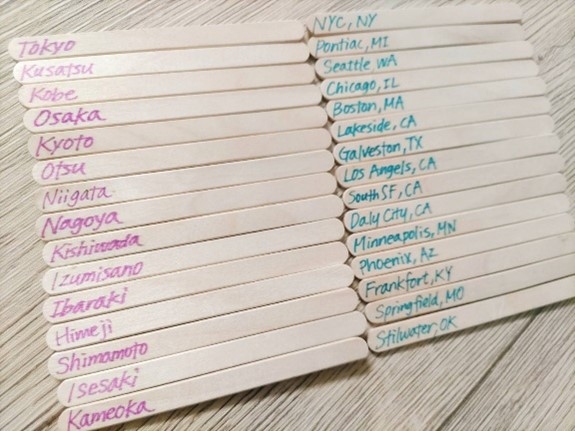 毎回ワクワクするAkari Sticksです。写真撮影許可はいただいています。
-
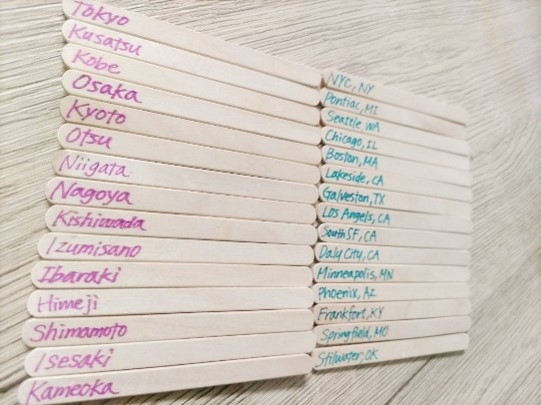
-
2026/01/25 15:30:00 "Akari Sticks" for Destination Studies I
- 授業関係
- 広報隊 山下
Hello, everyone! I’m Sorama Yamashita, and I’m a senior in the Department of Global Tourism. Today, I'd like to introduce the course “Destination Studies I” (GTa3 class), which was a required English course for the spring semester.
*Note: Destination Studies courses are currently included in the curriculum for third- and fourth-year students. Current second-year students and below will not take the course introduced here, but I hope this gives you some sense of the course content and atmosphere.
About English Classes in the Global Tourism Department
Before getting into the main topic, I'll briefly introduce the English classes in the Global Tourism Department. English classes are divided into multiple sections based on level and purpose. Classes are divided into multiple sections, and the day of the week, time slot, content, language ratio (Japanese/English), and textbook may vary depending on the instructor.
Destination Studies I (GTa3 Class) Course Introduction
The GTa3 class “Destination Studies I” (Spring Semester) I took was taught by Professor Akari Kajihara, who joined our faculty this year. In this class, after registering attendance, we drew “Exciting Akari Sticks” each time to determine our partner for the day. The Akari Sticks featured various themes. The Akari Stick in Photo 1 was a Gari Gari-kun ice stick with the name of an American sister city related to the student's hometown written on it. As shown in Photo 2, there were also days with lottery sticks featuring a picture of sushi and its English name. Once you found your partner, you would sit together at a table with worksheets and work on textbook problems or activities using the worksheets.
In this class, we conducted three English presentations based on PBL (Project-Based Learning) in addition to the textbook. The theme for the first presentation was “Pets to Recommend to Classmates,” where we researched and introduced pets other than dogs, cats, or fish. The second presentation was on “Favorite Campus Spots for 4th Graders.” Students distributed flyers they created for their presentations to the 1st-year English classes. Afterwards, the 1st-year students provided English comments with photos and illustrations, which the entire class enjoyed reading together. Thank you to all the 1st-year students who visited the recommended spots and shared their comments. The final theme was “New Ice Cream Flavors for 2025.” The first and second presentations were in front of small groups, but the third was delivered to the entire class. Before the final presentation, we split the class in half for rehearsal practice. During rehearsal, classmates gave advice and comments on slide content and presentation style, which we applied for the final presentation.
Comments from Professor Kajihara
English (language) is a means to convey your thoughts and opinions. I incorporated this presentation into the lecture because I wanted students to practice not only the knowledge learned from textbooks, but also to “think creatively about how to communicate” the things around them to others. The interaction with the first-year students was a valuable learning experience for both sides.
Akari Sticks were created as teaching materials to make it easier for students to naturally start conversations within the class. There are Akari Sticks for various other themes too, so please try them out in your classes.
The students in the GTa3 class were particularly cooperative and actively engaged with each other compared to any other class I've taught before. I looked forward to attending every session. I learned a great deal myself, making this a special lecture for me at Kyoto University of Foreign Studies.
Finally, for the fall semester's Destination Studies II (Gta3 class), the instructor changed, and I'm struggling a bit with the more challenging content (for me). Still, thanks to this class, as a graduating senior, I was able to enjoy my student life without any regrets.
-
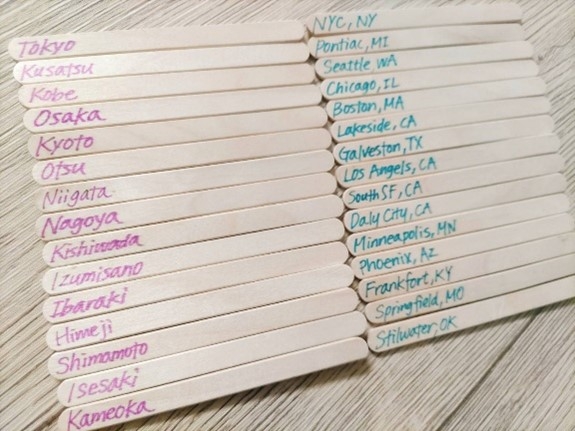 Akari Sticks *Photo use permission is obtained
-
-
2025/12/05 16:10:00 博物館学芸員課程修了展「戦後100年に向けてー若者が語り継ぐ舞鶴の引揚―」
- 授業関係
- 広報隊河原
みなさんこんにちは。グローバル観光学科4年次生の河原のどかです。国際文化資料館にて開催中の企画展「戦後100年に向けてー若者が語り継ぐ舞鶴の引揚―」について紹介致します。
本展示は、博物館学芸員課程の履修生による修了展です。グローバル観光学科からも毎年数名が履修し、学芸員の資格を得て卒業されてきた先輩方がいます。私も資格取得を目指し、3年次生のころから履修してきました。講義や博物館実習で各履修生が学んできたことを活かし、学芸員課程を取りまとめる南博史先生のご指導の下、企画のテーマ決めから展示作品の選定、展示作業、そして、ラジオでの広報などを行います。
本年度の修了展はタイトルからもわかるように、第二次世界大戦後のシベリア抑留について、引揚港となった舞鶴の歴史とともに、その記憶を語り継ぐ活動を行う学生たちを取り上げます。みなさんもご周知の通り、太平洋戦争終戦から80年を迎える年、加えて、舞鶴引揚記念館はユネスコ世界記憶遺産に登録されて10周年を迎える記念すべき節目の年です。また、ユネスコ世界記憶遺産の登録に本学のクレイグ・スミス教授(故人)がご尽力された経緯から、本展示の立案、実現がされました。本展覧会を通して、今も起きている戦争に関して、平和を願うだけでなくまずは「知る」こと、「未来へ伝える」ことが平和に繋がると、あらためて心を寄せていただければと思います。
また舞鶴は魅力満載の場所でもあります。舞鶴引揚記念館にて他の資料展示や学生語り部さんのお話を聞いてただくのはもちろん、象徴的な赤レンガパーク、名物軍艦カレー、海軍ゆかりの港めぐり遊覧船など、今の舞鶴を体感して欲しいです。本展示が、皆さんの舞鶴へ足を運ぶきっかけとなればうれしいです。ぜひ国際文化資料館、1号館1階階段横にお越しください。
開館時間: 10:00~16:00(入場無料)
会期:前期 2025 年 11 月 25 日(火)~12 月 19 日(金)
後期:2026 年 1 月 5 日(月)~2 月 27 日(金)
休館日:土曜日、日曜日、祝日、本学が定める入構不可日
Hello everyone. My name is Nodoka Kawahara, and I’m a senior in the Department of Global Tourism. Today, I’d like to introduce the special exhibition currently on display at the University Museum of International Cultures: “Toward the 100th Anniversary of the Postwar Era: Young People Passing Down Stories of Maizuru Repatriation”
This exhibition is the graduation project created by students enrolled in the Museum Curator Program. Each year, several students from the Department of Global Tourism join the program, and many seniors have gone on to earn curator. I’ve been taking these courses since my third year with the same goal in mind. Throughout the program, students apply what they’ve learned in lectures and hands-on training at museums. Under the guidance of Professor Hiroshi Minami, who leads the curator program, they take on every part of the process—from choosing the exhibition theme and selecting the objects to be displayed, to installing the exhibit and even promoting it on the radio.
As you all know, this year marks the 80th anniversary of the end of the Pacific War. It is also an important milestone for the Maizuru Repatriation Memorial Museum, which celebrates the 10th anniversary of its registration in UNESCO’s Memory of the World Programme. This exhibition was made possible thanks in large part to the late Professor Craig Smith, who played a key role in securing that UNESCO recognition. With this exhibition, we hope to remind visitors that when it comes to the conflicts still taking place in the world today, peace cannot be achieved through wishes alone. True peace begins with learning, understanding, and passing these stories on to future generations.
Maizuru itself is a city full of history and charm. We encourage you to experience today’s Maizuru by exploring the exhibits and listening to student storytellers at the Maizuru Repatriation Memorial Museum, strolling through the iconic Red Brick Park, trying the city’s famous “warship curry,” or taking a sightseeing cruise through its naval harbor. We hope this exhibition inspires you to visit Maizuru for yourself. The University Museum of International Cultures is located next to the main staircase on the first floor of Building 1.
1. Opening Hours: 10:00 AM - 4:00 PM (Free Admission)
2. Exhibition Period:
First Half: Tuesday, November 25, 2025 - Friday, December 19, 2025
Second Half: Monday, January 5, 2026 - Friday, February 27, 2026
3. Closed: Saturdays, Sundays, national holidays, and days designated as non-access days by the university


