


2024/10/26 02:30:00 上海の夜の美しさ
 地元紹介
 広報隊王
皆さんこんにちは、京都外国語大学グローバル観光学科1年次生の王中煦(オウチュウク)です。夏休み、いかがお過ごしでしたか。私は上海、江蘇省の蘇州や雲南省の大理(ダイリ)、麗江(レイコウ)、昆明(コンメイ)など様々なところへ旅行に行ったり、写真を撮ったりと、充実した日々を送りました。皆さんがよく知っている上海は、昼間も魅力的な都市ですが、夜になると一層その輝きを増します。今回、私が訪れた際に撮影した三枚の写真を通して、上海の夜の美しさやその背後にある都市のエネルギーについてご紹介したいと思います。
1. 高層ビル群が織りなす近未来的な風景
最初の写真に写っているのは、上海の金融街「陸家嘴(ルージャーズイ)」の高層ビル群です。特に目を引くのは、上海タワー、上海環球金融センター(通称:栓抜きビル)、そして金茂大厦です。これらのビルは、中国経済の象徴とも言える場所であり、上海の未来志向的な発展を体現しています。上海タワーは632メートルという中国で最も高いビルで、その螺旋状のデザインは、まるで未来都市にいるかのような感覚を与えます。また、隣にそびえる上海環球金融センターはその独特な「栓抜き」の形状で知られ、夜になると青い光がビル全体を包み込み、まるで都市の守護者のように輝きます。この場所では、昼間はビジネスマンが行き交う忙しいエリアですが、夜になるとその雰囲気は一変します。ネオンライトが次々と灯り、まるでビルが一つの大きなキャンバスのように美しく彩られるのです。上海が持つ「未来」と「繁栄」のイメージが、この一角に凝縮されています。
2. 東方明珠塔の夜景
次にご紹介するのは、上海の象徴とも言える東方明珠塔です。この写真は、塔全体が美しいライトアップに包まれた様子を捉えています。東方明珠塔は、1990年代に建設されたテレビ塔で、今では観光名所としてだけでなく、上海の近代都市化の象徴的な存在となっています。塔のユニークなデザインは、その名前の通り「明珠(輝く珠)」をイメージしており、2つの大きな球体が特徴的です。夜には、カラフルなLEDライトが塔全体を彩り、訪れる観光客を圧倒します。特に赤や紫の照明が輝く瞬間は、上海の夜景を代表するシーンと言えるでしょう。塔の周辺には、大型のショッピングモールやレストランが立ち並び、観光客や地元の人々で賑わいます。この場所に立って夜空を見上げると、まるで映画のワンシーンのような近未来的な風景が広がり、上海の発展とその勢いを強く感じることができます。
3. 外灘の歴史と夜景
最後に、歴史的なエリアである外灘(バンド)についてお話しします。外灘は、上海の黄浦江沿いに位置する歴史的な建物群で、ここには20世紀初頭に建てられた西洋風の建築物が立ち並んでいます。写真にあるのは、外灘の代表的な建物の一つである上海海関大楼と上海浦東発展銀行です。夜になると、これらの建物は黄色い照明に照らされ、その壮麗な姿が浮かび上がります。現代的なビル群とは対照的に、外灘の建物はクラシックな美しさを保ちつつ、過去の上海を感じさせる重要な場所です。歴史的な背景を持つ建物が立ち並ぶ中で、まるで時間が止まったかのような感覚に包まれ、訪れる人々はその歴史の重みを感じることができるでしょう。さらに、外灘からは、黄浦江を挟んだ対岸の陸家嘴の高層ビル群を一望することができます。過去と未来が共存するこのエリアは、上海の魅力を象徴する場所として、多くの観光客が訪れる理由の一つです。
まとめ
今回ご紹介した三枚の写真は、上海という都市が持つ多面的な魅力を象徴しています。近未来的な高層ビル群、現代都市の象徴である東方明珠塔、そして歴史と共に歩んできた外灘。これらの要素が一体となって、上海は一つの独特な世界観を持った都市として輝き続けています。上海の夜景を楽しむなら、陸家嘴や東方明珠塔の高層ビル群、そして外灘の歴史的建物を巡る旅は欠かせません。この都市の光と影、歴史と未来が交差する瞬間を、ぜひその目で確かめてみてください。上海は、訪れるたびに新たな発見がある街です。次に訪れるときは、どんな新しい風景が見えるのでしょうか。今から楽しみです。
-
 1. 高層ビル群が織りなす近未来的な風景
-
 2. 東方明珠塔の夜景
-
 3. 外灘の歴史と夜景
2024/10/19 00:20:00 「京友禅」を体験してきました!Kyo Yuzen Experience
- 観光情報
- 広報隊長渡
こんにちは、皆さん。国際貢献学部グローバル観光学科4年次生の長渡静流です。最近、私は京都で「京友禅」という伝統的な染色技術を体験してきました。京友禅といえば、鮮やかな色合いや美しい模様が特徴の着物の染め方ですが、実際にその過程を体験するのは初めてでした。今回の記事ではその素晴らしい体験と、京友禅の魅力についてご紹介したいと思います。
今回私は、地下鉄東西線二条城前駅より徒歩五分の立地にある「京友禅体験工房 丸益西村屋」にお邪魔してきました。こちらの工房は、この道30年以上という京友禅のベテラン職人、西村さんが「京友禅を通して京の文化や技、心に触れてもらいたい」という思いから、古い町家を改造して開いた工房です。ここでは様々な種類の染め体験ができるほか、京和雑貨ショップも併設されています。
では、京友禅とは一体何なのか?歴史をさかのぼると、江戸時代に京都で生まれたこの技術は、染めの技法として非常に高度なものです。友禅染めは、手描きや型染めを用い、色とりどりの模様を生み出します。その独特の色使いと繊細なデザインは、ハッとするような鮮やかさと息を呑む美しさがありました。着物だけでなく、現代ではファッションアイテムやインテリアとしても人気があります。
私が体験したのは、型染めを用いて実際に自分のデザインを考え、薄めのハンカチにそれを染めるという工程です。初めは「私にできるのかな?」と不安がよぎりましたが、職員さんの優しい指導のもと、徐々に楽しさが増していきました。色や型を選ぶ際には、まるで宝石を選ぶようなドキドキ感がありました。赤、青、緑など、それぞれの色にそれぞれの良さがあり、自分のイメージするものを際限なく表現する事ができます。私は深い青と鮮やかな緑を使ってかわいい蛙と雨模様を表現しました。
実際に染める作業は、想像以上に繊細でした。筆を使って色をのせるとき、少しの力加減や角度で色の濃淡が変わってしまうため、自分の想像とは違うものが出来上がる感覚も楽しかったです。自分の手で一つの作品を作り上げる喜びは、何物にも代えがたいものがあります。自分の感情や思いが色として表現されており、完成した時には愛着が湧き、これから大切に使おうと言う気持ちが芽生えていました。
京友禅の魅力は技術だけではありません。背後にある文化や歴史、そして職人の情熱を感じることができるのも、この体験の大きな魅力だと私は感じました。先生のお話を聞きながら、京都の豊かな文化と伝統が、今もなお息づいていることに心を打たれました。皆さんも、ぜひ京友禅を体験して、京都の伝統を体感してみては如何でしょうか?自分の手で作り上げた作品は、きっと特別な思い出となります!
【参考にしたサイト】
京友禅の歴史
http://www.hatakoubou.com/yuzen/history.html
Hello, everyone! My name is Shizuru Nagato, and I’m a fourth-year student in the Department of Global Tourism. Recently, I had the chance to experience a traditional dyeing technique called Kyo Yuzen in Kyoto. Kyo Yuzen is known for its vivid colors and intricate patterns on kimonos, but this was my first time trying the process myself. In this article, I’d like to share that wonderful experience and introduce you to the beauty of Kyo Yuzen.
This time, I visited Marumasu Nishimuraya, a Kyo Yuzen workshop located just a five-minute walk from Nijojo-mae Station on the Tozai Subway Line. Mr. Nishimura, a veteran craftsman with over 30 years of experience, opened this workshop in a traditional machiya townhouse. His goal was to give people the opportunity to experience Kyoto’s culture, techniques, and spirit through Kyo Yuzen. The studio offers various hands-on dyeing experiences and also has a shop that sells Kyoto-made goods.
So, what exactly is Kyo Yuzen? This dyeing technique originated in Kyoto during the Edo period (1603-1868) and is known for its advanced methods. It involves hand-painting and stencil dyeing to create vibrant patterns. The colors and delicate designs are both vivid and breathtaking. While kimonos remain the primary medium for Kyo Yuzen, these days its patterns are also popular in fashion items and home décor.
During my visit, I had the opportunity to create my own design using katazome (stencil dyeing) on a small handkerchief. At first, I wasn’t sure if I could do it, but with the staff’s patient guidance, I quickly got the hang of it. Choosing the colors and stencils felt as exciting as picking out jewelry. Each color—red, blue, green—had its own charm, and I could express my ideas freely. I decided to use a deep blue and bright green to depict a cute frog with a rain pattern.
The dyeing process was more intricate than I expected. As I applied the colors with a brush, I realized that the shading would change depending on how much pressure I used and the angle of the brush. It was fascinating to see how my design evolved into something slightly different from what I had imagined, but that made the experience even more rewarding. Creating something with my own hands was an irreplaceable joy. I became emotionally attached to the handkerchief I made, and I know I’ll treasure it going forward.
What makes Kyo Yuzen truly special isn’t just the technique itself—it’s the history, culture, and passion of the craftsmen that bring it to life. Listening to Mr. Nishimura talk about the tradition gave me a deeper appreciation for how Kyoto’s rich culture is still alive today. Why not give Kyo Yuzen a try and experience Kyoto’s traditions for yourself? The piece you create with your own hands will surely become a special memory!
-
 京友禅体験工房 丸益西村屋 Marumasu Nishimuraya
-
 京友禅染を体験している時の様子 Experiencing Kyoto Yuzen Dyeing
2024/10/14 09:50:00 Tomorrow Tourism 2024 Event Successful
- イベント
- KUFSGT
The Tomorrow Tourism Symposium 2024, held at the Future Hub Immersive Laboratory at Kyoto University of Foreign Studies, marked a pivotal moment in the intersection of emerging technologies and the tourism industry. Organized and hosted by Professor Eric Hawkinson, the event showcased the innovative applications of virtual reality (VR), augmented reality (AR), and artificial intelligence (AI) within the tourism and hospitality sectors. This gathering highlighted the transformative potential of these technologies through diverse presentations, interactive sessions, and insightful discussions.
Tabimachi Gate - Hiroshima Virtual Tours
The symposium opened with an engaging presentation on the Tabimachi Gate project, which uses VR and AR to offer immersive tours of Hiroshima’s historical sites. This project demonstrates how digital technology can enrich tourist experiences, allowing visitors to explore cultural heritage in depth without physical constraints. The initiative also helps preserve sensitive sites by reducing physical tourist foot traffic.
Tokyo Dome City - XR Entertainment Zones
Another highlight was the exploration of Tokyo Dome City's integration of XR (extended reality) into its entertainment offerings. This segment discussed how the combination of physical and virtual gaming experiences could redefine leisure activities. The presentation illustrated the potential for mixed-reality environments to attract a new demographic of visitors seeking innovative and interactive entertainment options.
University of Bergamo - My Hometown Project
From the academic realm, the University of Bergamo shared insights into their "My Hometown" project, where students utilize VR to create and share tours of their native towns. This initiative not only aids in skill development—such as digital literacy and storytelling—but also fosters an international exchange of cultural narratives, enhancing the educational aspect of tourism.
Industry Panel - VR-enhanced Tours and AI-driven Services
A panel of industry professionals discussed the current and future applications of VR and AI in tourism. They highlighted real-world examples such as VR-enhanced tours that offer immersive previews of destinations and AI-driven services that provide personalized travel planning and customer care. This session provided practical insights into how these technologies are being integrated into mainstream tourism services.
Interactive Sessions - Hands-on Demonstrations
The symposium featured several hands-on sessions where participants could directly engage with VR and AR technologies. These interactive demonstrations were instrumental in illustrating the practical capabilities and limitations of current technology, allowing attendees to experience firsthand how such tools could be utilized in their professional practices or studies.
Closing Remarks
Professor Hawkinson closed the symposium by highlighting the importance of continuous collaboration and innovation in utilizing technology to enhance the tourism industry. He noted that the symposium had set the stage for future developments and urged participants to keep pushing the boundaries of what is possible in tourism technology. In concluding discussions, the symposium emphasized the importance of further integrating digital technologies into both tourism education and professional practice. The conversation suggested a future where digital and physical travel experiences are seamlessly combined, offering more comprehensive and engaging tourist experiences.
The Tomorrow Tourism Symposium 2024 served as a dynamic platform for knowledge exchange and showcased the profound impact of immersive technologies on the tourism industry. It fostered a collaborative environment for educators, students, and professionals to explore new tools and methodologies, ultimately shaping the future of tourism education and practice.
トゥモロー・ツーリズム・シンポジウム2024は、京都外国語大学のフューチャーハブイマーシブ・ラボで開催され、新興技術と観光業の交差点において画期的な瞬間を迎えました。エリック・ホーキンソン教授が主催したこのイベントは、観光・ホスピタリティ業界における仮想現実(VR)、拡張現実(AR)、人工知能(AI)の革新的な応用を披露しました。この集まりは、多様なプレゼンテーション、インタラクティブなセッション、洞察に富んだ議論を通じて、これらの技術の変革的な可能性を強調しました。
タビマチゲート - 広島バーチャルツアー シンポジウムは、広島の歴史的サイトを没入型で紹介するタビマチゲートプロジェクトに関する魅力的なプレゼンテーションからスタートしました。このプロジェクトは、デジタル技術がどのようにして観光体験を豊かにし、訪問者が物理的な制約なしに文化遺産を深く探求できるようにするかを示しています。また、物理的な観光客の足取りを減らすことで、敏感なサイトの保護にも寄与しています。
東京ドームシティ - XRエンターテインメントゾーン もう一つのハイライトは、東京ドームシティがそのエンターテイメントオファリングにXR(拡張現実)を統合している点でした。このセグメントでは、物理的及びバーチャルなゲーム体験の組み合わせがどのようにレジャー活動を再定義するかについて議論しました。このプレゼンテーションは、革新的でインタラクティブなエンターテインメントオプションを求める新しい訪問者層を引き付けるためのミックスリアリティ環境の可能性を示しました。
ベルガモ大学 - マイ・ホームタウン・プロジェクト 学術分野からは、ベルガモ大学が「マイ・ホームタウン」プロジェクトについての洞察を共有しました。このプロジェクトでは、学生たちがVRを使用して自分たちの故郷のツアーを作成し、共有します。この取り組みは、デジタルリテラシーやストーリーテリングなどのスキル開発を支援するだけでなく、文化的な物語を国際的に交換し、観光の教育的側面を強化します。
2024/10/13 14:30:00 京都外国語大学のMAICOイマージブ・ラーニングラボへの最近の訪問
- イベント
- KUFSGT
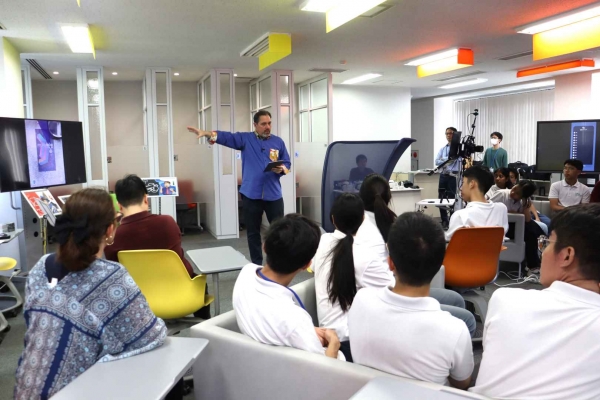
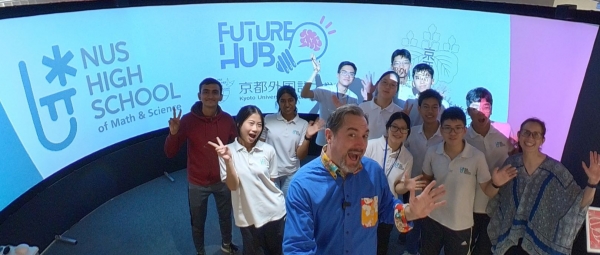
京都外国語大学のMAICOイマージブ・ラーニングラボ(通称:未来ハブ)は、世界中の様々なグループから注目を集めるスポットとなっています。私たちの革新的な学習スペースは、拡張現実(AR)や仮想現実(VR)技術を活用し、最近では多くの著名な訪問者を迎え、イマージブ教育への取り組みが広く認識されています。
大阪・神戸米国総領事館
先月、大阪・神戸米国総領事館の職員の皆様をお迎えする栄誉に預かりました。彼らの訪問の目的は、今秋に予定されているゲームジャムイベントのパートナーとして、私たちのラボの可能性を評価することでした。この協力は、イマージブ技術とゲーム開発の分野における国際協力を促進するためのエキサイティングな一歩です。
シンガポールの高校生
感動的な交流プログラムもうまれています。シンガポール国立大学(NUS)率いる高校生グループが私たちのラボを訪れ、イマージブ技術の将来のキャリアの可能性を探りました。この訪問は、シンガポールの生徒と京都外大西高校の生徒との異文化交流の機会も提供しました。この体験は、両グループにとって新しいアイデアや友情を生み出す豊かなものとなりました。
フィリピン、アメリカ、オマーンからの学術訪問
今月は、フィリピン、アメリカ、オマーンの大学から教員の皆様をお迎えしました。これらの訪問は、潜在的な共同研究の機会を探ることを目的に行われ、私たちのグローバルネットワークをさらに強化しました。議論は実り多く、エキサイティングな共同研究や教育イニシアチブの見通しが立ちました。
私たちのラボが世界中から関心と参加を引き寄せていることに、私たちは大いに喜んでいます。MAICOイマージブ・ラーニングラボは、イマージブ技術を通じて教育の未来を推進する革新と協力の中心地であり続けます。
今後のイベント:Tomorrow Tourism Symposium 2024
9月7日(土)に予定されているTomorrow Tourism Symposiumにぜひご参加ください。このイベントは、イマージブ技術、観光教育、MICE(会議、報奨旅行、コンベンション、展示会)分野の専門家を一堂に会し、観光業界が直面する課題と展望を議論することを目的としています。ご興味のある方は、シンポジウムのウェブサイト(https://tomorrowtourism.com)をご覧いただき、参加登録やビデオ提出ポータルへのアクセス方法をご確認ください。
京都外国語大学の学生や教職員の皆様も、ぜひこの機会を通じて未来の観光業に関する知識と洞察を深めていただければ幸いです。
2024/10/11 16:50:00 大津祭りが今年もやってくる!The Otsu Festival
- 学外活動
- 広報隊廣田
皆さんこんにちは!グローバル観光学科3年次生の廣田歩夢です。就職活動の最中で企業研究や自己分析などと同時に日々の学校生活や日常生活も並行させないといけない為、一つのことにのめり込んでしまう性格の私は慌ただしい日々を送っております。
さて今回のブログではグローバル観光学科で取り組んでいる地域連携活動のうちの一つである大津祭について書いていきます。このお祭りは長浜曳山祭、日吉山王祭と並んで湖国三大祭にも数えられる大津市の秋の風物詩です。例年スポーツの日の2日前を宵宮、前日を本祭として2日間にわたり祭礼の一部が行われています。今年は、10月12日が宵宮、10月13日が本祭です。この本祭では、現在大河ドラマでも注目を集める源氏物語をモチーフにした山や、中国の軍師諸葛孔明をモチーフにした山など計13の曳山が耳心地のよいお囃子と共に町内を巡行していきます。巡行中お囃子で耳を奪われるだけでなく、前後にある鮮やかな幕を始めとした装飾に目も奪われますが、他にもこの祭りの見どころはあります。その見どころは、巡行中、随所で山が止まり各山のモチーフとなったものにちなんだからくりが演じられる点と、厄除けの粽(5月の端午の節句の時に用いられる食用の粽とは異なりこちらは食さず、飾ることで厄除けを目的にしたものです。そのため餅は入っていません)が盛大にまかれる点です。
このお祭りが国の指定重要無形民俗文化財へ登録される際にグローバル観光学科の村山先生が調査に携わったご縁から、お声がけをいただき、これまで有志による支援活動に取り組んできました。ここまでの文章を読んで大津祭に興味を持った人もいるのではないでしょうか?
この度グローバル観光学科の学生21名で構成される有志グループではこれまで継承されてきた大津祭りの今昔を比較する企画展示を大津祭曳山展示館にて11月2日まで開催しています。今回の企画展では、大津祭で脈々と受け継がれてきた史料の中から疫病に着目して展示をしています。さらに祭りと共存する日常に着目した写真展示、曳山を彩る色彩豊かな幕の展示も行っています。展示館で歴史を学んでから実際の祭を見ると新たな発見を得ることが出来るかもしれません。
これまで私が携わらせていただいた2年間は雨の本祭でしたが、今年は違います。この記事を執筆しているタイミングでは晴れ予報となっています。昨年訪れた人も、今まで訪れたことがなかったけどこの記事や展示を通じて祭に興味を持った人も12日の宵宮、そして13日の本祭で秋の大津を感じませんか?祭りの開催エリアへはJR大津駅と京阪びわ湖浜大津駅両方から簡単にアクセスすることが出来ます。ぜひ一度訪れてみてください。
Hello everyone! I’m Ayumu Hirota, a third-year student in the Department of Global Tourism. As I’m currently job hunting, I have to balance company research and self-reflection with my daily school routine. Lately, my days have been quite busy, especially since I tend to get deeply involved in whatever I focus on.
In this blog, I’d like to share my thoughts on the Otsu Festival, which is one of the regional collaboration activities undertaken by the Department of Global Tourism. This festival is one of the three major festivals of the Lake Biwa region, alongside the Nagahama Hikiyama Festival and the Hiyoshi Sanno Festival, and is a cherished autumn tradition in Otsu City. Every year, parts of the festival take place over two days, leading up to Sports Day. This year, the pre-festival event is on October 12, and the main festival will be held on October 13.
During the main festival, 13 floats, inspired by themes from "The Tale of Genji"—which is currently gaining attention thanks to a historical drama—and the Chinese military strategist Zhuge Liang, parade through the streets accompanied by lively music. While the melodies enchant your ears, your eyes will be drawn to the beautifully adorned floats, including their intricate and colorful curtains.
But there’s even more to this festival. At various points during the procession, the floats pause to present performances based on their respective themes. Additionally, protective rice dumplings (different from the ones eaten during Children’s Day in May—these are symbolic and not for consumption) are joyfully tossed into the crowd.
Professor Murayama from our department was involved in the research that helped the Otsu Festival become registered as an Important Intangible Folk Cultural Asset. Thanks to this connection, we were invited to volunteer and support the festival. Does that pique your interest in the Otsu Festival?
A group of 21 student volunteers from our department is currently hosting an exhibition comparing the past and present of the festival at the Otsu Festival Float Exhibition Hall, which runs until November 2.
The exhibition focuses on historical materials related to the festival, particularly those concerning past epidemics. There is also a photo display showcasing daily life in relation to the festival, along with an exhibition of the vibrant curtains that decorate the floats. Learning about the festival's history through the exhibition could help you gain new insights before attending the event.
For the past two years, I participated in the festival during rainy weather, but this year seems different. As I write this, the forecast is predicting clear skies. Whether you attended last year or are considering visiting for the first time after reading this blog or seeing the exhibition, why not take the opportunity to experience the autumn atmosphere in Otsu on October 12 for the pre-festival and October 13 for the main event? The festival area is easily accessible from both JR Otsu Station and Keihan Railway’s Biwako-Hama-Otsu Station. I hope you’ll have the chance to visit!
-
 宵宮の様子


