教員活動紹介
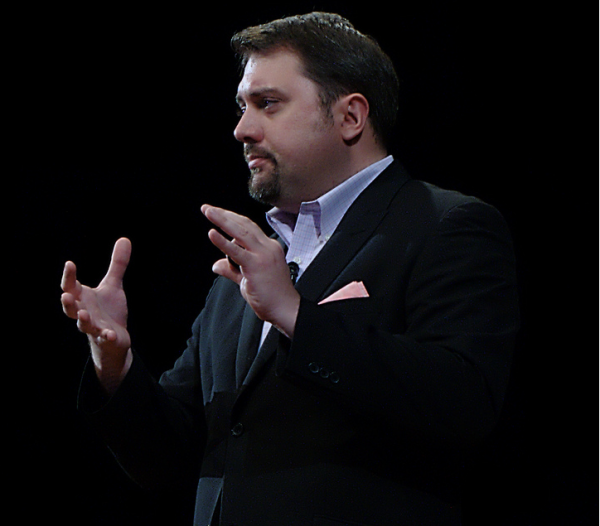
2019/05/14 22:30:00 教員紹介:原一樹先生
 教員活動紹介
 Student Reporter
皆さん、こんにちは!グローバル観光学科2年次生の島岡七海です。
私は副学科長の原一樹先生にインタビューをしてきました。
① ご出身はどちらですか?
長崎県佐世保市 出身 ハウステンボスの近くです。
② 先生のご専門は何ですか?
大学院の出身研究室は、西洋哲学です。10年ほど前に今後の社会における観光学の重要性に気づき、今はおもに観光に関する哲学的・倫理学的な基礎理論の研究と、高野山を訪れる外国人観光客の観光体験など、具体的な現場での観光調査を実施しています。グローバル観光学科の掲げる、「持続可能な開発目標」(SDGs)を観光の力を通して実現していくという理念は、今後のグローバル社会において、とても大切なものだと考えています。この点について私としては、観光倫理学という観点から、探究を進めていきたいと思っています。また、観光教育に関しては、理論だけではなく、実際のフィールドでの活動や調査が重要だと考えていますので、アジア有数の観光大国であるタイ、訪日観光客が増加を続けている兵庫県の城崎温泉、或いは京都近郊の宇治田原町など、ゼミ学生には実地での調査活動を主体的に実施してもらっています。
③ 学生のうちにしておいたほうが良いことは何ですか?
第一に絶対的に必要なのは、読書をすることです。自分の視野を広げ教養を深めるために、関心のある事柄、あまり無い事柄、深くこだわらずに乱読をしてもらいたいと強く思います。また、映画を見ること、音楽を聞くこと、絵画を見ることなど、いわゆる芸術体験も、相対的に時間のある大学生の間に、自分の生活に取り入れて貰いたいと思います。これらは自分自身と、その将来を豊かにするために必要なことです。そして、観光学科に在籍する学生さんには特に、一人旅をしてほしいと思います。現代社会は人と人とが繋がり過ぎている、「接続過剰」の状態にあります。一人で旅をすることにより、自分一人の時間を持ち、自分一人でものを考える時間を設けることが重要です。
④ 学生に贈りたい言葉は何ですか?
「万巻の書を読み 千里の道を往く」。たくさんの本を読み、たくさんの旅をせよという意味です。元々は中国の古典由来の、富岡鉄斎の座右の銘としても有名な言葉ですね。
Hello everyone! I am Nanami Shimaoka, a second-year student at the Department of Global Tourism Studies. Here is the interview I had with Professor Kazuki Hara.
① Where are you from in Japan?
I am from Sasebo-shi, Nagasaki, Japan. My hometown is located near Huis Ten Bosch which is an amusement facility in Nagasaki.
② What do you specialize in?
I originally specialized in philosophy. However, my current research interests are centered around tourist ethics. Since I realized the potential growth of Japanese tourism about 10 years ago, I have tried to conduct tourism research and developed related theories. I think that our department's mission of achieving "Sustainable Development Goals" through the power of tourism is very important in the future globalized society. I hope to explore this issue from the viewpoint of tourism ethics. I value not only theoretical research but also fieldwork at different destinations. For example, my seminar students and I have conducted field research both overseas and dometically in Thailand, Guam, Kinosaki (hot spring spot in Hyogo), and Uji (suburban city in South Kyoto that is famous for powdered green tea) to study current tourism.
③ What do you think are the important things students should do in college?
I suggest you should read many books and familiarize yourself with all sorts of artistic work including art, music, and play. These will help enrich your life. Traveling alone is also important because it allows you to have your own time to think for yourself. Having the time to be alone has been creasingly important as we are often overwhelmingly connected in the current society.
④ Could you tell us the words you like?
"Read many books and travel many miles." This phrase originally came from classic Chinese literature, but it is also famous as the motto of Mr. Tessai Tomioka.
-
 原一樹先生
2019/05/09 01:30:00 教員紹介: ジェフ・バーグランド先生
- 教員活動紹介
- Student Reporter
こんにちは!
ゴールデンウィークも終わり、新しい時代にも突入しましたね。
皆さんお元気ですか?
本日からはグローバル観光学科所属の14名の先生方を学生広報隊メンバーが取材して、順にご紹介していきたいと思います。初回の今日は、学科長のジェフ・バーグランド(Jeff Berglund)先生です。2年次生の清水玲美さんが取材と写真撮影をしてきてくれました。
≪ジェフ先生にインタビュー≫
① ご出身はどちらですか?
アメリカ、サウスダコタ州です。
② 先生のご専門は何ですか?
異文化コミュニケーションです。
③ 好きな食べ物は何でしょう?
おいしいものですね。たとえば、イカの塩から、鮒ずし、このわたといった珍味が好きです。
④ 好きな言葉を教えてください。
「力いっぱい生きよ」
⑤ 学生たちにひとこと、お願いします!
観光を通して世界平和に貢献できるようになるため、基礎から知ろう。
Hello there! How have you been?
As the new Imperial era has started, we are going to start our new blog series introducing you to fourteen faculty members of the Department of Global Tourism.
Today's feature is Prof. Jeff Berglund, Department Chair. Remi Shimizu (GT Student Reporter) interviewed Jeff-sensei.
① Where are you from?
I was born in South Dakota, the United States.
② What is your academic discipline?
My academic discipline is Intercultural Communication.
③ What's your favorite food?
I like such Japanese delicacies as salted squid entrails, fermented crucian carp sushi, and salted sea cucumber guts.
④ Could you tell us your favorite phrase?
〝Live your life to the fullest"
⑤ Could you send a message to students?
Let's learn the basics to make our department the best tourism department in Japan.
-
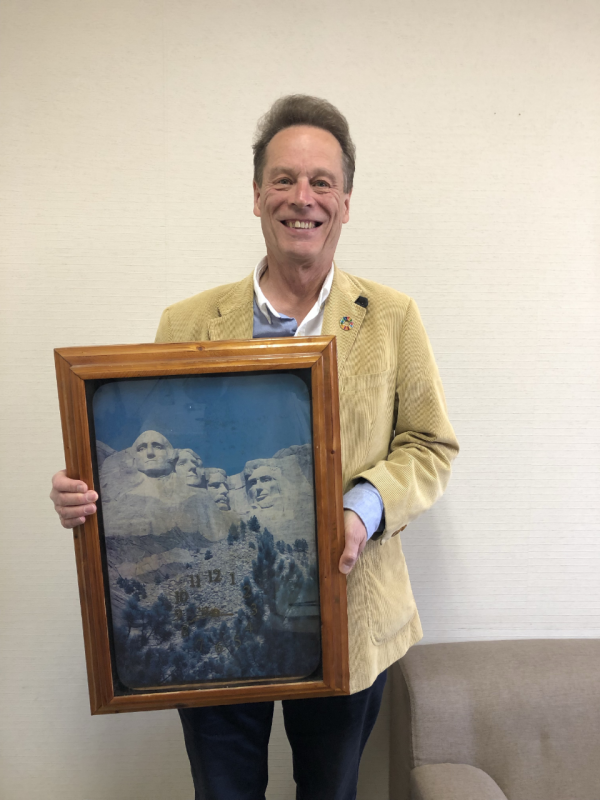 ジェフ・バーグランド先生:手に持っている時計の写真は、サウスダコタ州の有名な観光スポット「Mt. Rushmore」
2018/12/10 03:30:00 インドネシア・ジョグジャカルタでミニシンポジウムと現地視察(2)
- 教員活動紹介
- 吉兼
こんにちは!前回に引き続き、10月にインドネシアのジョグジャカルタを訪れた際の感想をお送りします。
■ボロブドゥール(Borobudur)遺跡
インドネシアで最も有名な世界遺産の仏教遺跡であるボルブドゥール遺跡(8世紀建立)は噴火により火山灰に埋れ、長く密林の中に眠っていたものをイギリス人ラッフルズらによって発見され掘り起こされました。日本人技術者の力もあって復元したその姿はインドネシアにとって重要な観光資源にもなっています。120m方形の基壇の上に5段の方形基壇、3段の円形基壇があり、ピラミッドのような構造になっており、上部にはストゥーバが数多く設置され、その中には石の釈迦像が安置されています。この像の足に触るとご利益があるのかストゥーバの空いた隙間から手を差し込んでいる人が多く見られました。
やや残念に思ったのは、インドネシアは現在イスラム教が主な宗教であるせいか、仏教遺跡に対する宗教的な畏敬の念を示す雰囲気が少なく、禁止を呼びかける看板はあるのに遺跡に登ってしまう観光客が見られ、仏教聖地への巡礼というよりは物見遊山的観光旅行対象になってしまっていることでした。本来、宗教施設や文化財は国民、住民の誇りとなっていることが多いと考えがちですが、政変や植民地化などによって護るべき国民や住民から無視される対象になることもあるということになります。逆に世界から来訪する仏教徒や信仰心のある観光客が資産の護り手になってくれることを望みたいと思います。
■ジョグジャカルタ中心市街地
最後にジョグジャカルタの街中を歩いた感想を一言。人が多い。ものが溢れる。車もバイクも溢れかえる。世界4位の人口を抱えるインドネシアの一端を感じました。中心街となるマリオボロ通は、地場産品のバティックなどの商品であふれていました。近代的なショッピングセンターも通路と思われる空間にも屋台のような出店が溢れ、商品でいっぱいです。インドネシアは多くの商品があることで幸せを感じる時期なのでしょうか。私は「町全体がドン・キホーテだ」と感じました。路地裏には生活感が溢れ、イスラム文化でアルコールが手に入りにくいジョグジャカルタで人に酔って二日酔いになった気分でした。
Hello! Following the last blog post, I'll write about my observation and experience in Jogjakarta, Indonesia.
■ Borobudur
Borobudur is a Buddist stupa and temple complex dating from the 8th century, and one of the most famous UNESCO World Heritage Sites in Indonesia. Borobudur Temple was once abandoned and left to the wilds of nature until the English governor, Thomas Stamford Raffles sent his people to dig away at the earth to reveal the temple. The temple compounds restored by a team including a Japanese engineer is now Indonesia's important tourist resource.
The monument has a pyramidal base with five concentric square terraces, the trunk of a cone with three circular platforms, and at the top, there were many stupas each containing a statue of the Buddha.I saw many tourists trying to reach and touch the Buddha statue's hands inside a stupa to receive good fortune.
I felt sorry to see some tourists paying little respect to this buddhist temple complex to climb up the sacred monument despite the signage that forbids such behavior. In Indonesia where Islam is more popular than Buddhism, Borobudur seemed to wind up as a mere tourist spot rather than a destination for a Buddhist pilgrimage. In principal, religious facilities and cultural assets are considered as the source of pride for residents, but as the case of Borobudur shows, due to such reason as colonization, some places could be ignored by local citizens and residents. That is why, I hope Buddhists and religious travelers coming from around the world would take over this sacred monument.
■Downtown Jogjakarta
Lastly, my impression of downtown Jogjakarta could be summarized as too many people and goods. There were also many cars and motorbikes running. It is no wonder that Indonesia has the world's fourth largest population. Marioboro Street in downtown Jogjakarta was filled with local merchandise items such as Batik. Modern shopping centers were also flooded with goods. I was wondering if Indonesia was at the developmental stage where people felt happiness by the abundance of goods. The whole town felt like the store "Don Quihote." People's livelihoods were seen from backstreets, and among many people, I felt as if I got a hang-over in Jogjakarta where it is difficult to get alcoholic drinks under Islamic cultural influence.
-
 ストゥーバ
-
 大勢の人でにぎわうボロブドゥール
-
 物があふれるショッピングモール
2018/11/29 23:00:00 インドネシア・ジョグジャカルタでミニシンポジウムと現地視察(1)
- 教員活動紹介
- 吉兼
2018年10月18日からガジャマタ大学(インドネシア)で本学と連携する5大学(マレーシア科学大学、チェンマイ大学、ハノイ大学、ガジャマタ大学、スパーヌウォン大学)の研究者と「アセアンに於ける多文化交流を観光振興により実現する為の縦断的・横断的研究」(Japan Foundation助成事業)に関するミニシンポジウムが開催されました。本学からシンポジストとして登壇し、"eWOM Analysis Frameworks in the Travel Industry”について報告されたEric Hawkinson教授をはじめ、Jeff Berglund 教授、原一樹教授、吉兼秀夫が参加しました。
シンポジウムと合わせてジョグジャカルタ中心市街地および近郊の世界遺産・宗教観光地に関する現地視察を行いました。今週、来週と2回に分けて観光的視点から感想をお話しします。
■プランバナン寺院群
世界遺産のプランバナン(Prambanan)寺院を訪ねました。広大な敷地の100m四方の基壇には復元された高さ47mのシヴァ寺院を中心に高さ27mのブラーマ寺院とヴィシュヌ寺院が両脇に並び、3つの聖堂の前には、それぞれの神の乗り物であるナンディ、ガルーダ、ハンサを祀る小堂(祠)があります。周辺には小寺院(祠)がさらに100近くあり、それらの多くは解体されたままとなっていました。16世紀の地震で崩壊した遺跡が、20世紀に入ってから修復が行われ、その姿の一部が再現されている荘厳な寺院群の美しさは感動的でした。
寺院群(有料)に入ると衣装を着た男性が3人並び、観光客は彼らと並んで写真を撮ることができました。またPrambananと書かれた看板が置かれそこで記念写真を撮ることもできました。インスタ映えの仕掛けは寺院をバックにロープの上を自転車で走る姿を写真に取らせるサービスや、吊り下げられたハンモック状の椅子に座って写真を撮らせるサービス(ともに有料 200円くらい)もあり、ここでもインスタ映えが観光商品となっている姿を見ることができました。
石の寺院群を歩くインドネシアの民族衣装を着た女性観光客はとても印象的でした。それは京都の町並みの中を舞妓さんや芸妓さんが歩く景色にも似た光景でした。無彩色のアースカラーにはきらびやかな衣装が映えるようです。古都京都で幟や暖簾が映えることにも似ています。
From October 18, 2018, Prof. Jeff Berglund, Prof. Kazuki Hara, Prof. Eric Hawkinson, and I (Hideo Yoshikane) visited Gadjah Mada University in Indonesia to participate in the “International Symposium on Tourism, Culture and Community” where Prof. Hawkinson represented the Global Tourism Department to present a paper titled "eWOM Analysis Frameworks in the Travel Industry.” You can see a video in VR that he filmed of the event here: https://youtu.be/kTCQY1tPAAw. You can also view the research here: http://kufs.academia.edu/EricHawkinson
Kyoto University of Foreign Studies has been conducting a joint tourism research project with the following five ASEAN universities: Universiti Sains Malaysia, Chiang Mai University, Vietnam National University, Hanoi, Gadjah Mada University, Souphanouvong University, and the researchers from these universities gathered for this symposium.
In addition to attending the symposium, we did some fieldwork in the downtown of Yogyakarta and the surrounding world heritage sites and religious sightseeing spots. Today and next week, I am going to report on my field observation and insight based on this fieldwork.
■Prambanan Temple Compounds
We visited the Prambanan Temple Compounds which is a UNESCO World Heritage site.
At the the center in a vast site, there is a 100 square meter stone foundation where the restored 47-meter tall Shiva temple and the 27-meter Brahma and Vishnu temples on either side form the centerpiece of the complex. In front of the three towers, there is a small shrine that worships their carriers or Vahana (Nandi, Gardura, and Hansa). Additionally, nearly 100 small temples were observed in the surrounding area, and most of them had remained disassembled since the major earthquake in the 16th century which destroyed many of the temples and left much of the area in ruins. Despite that, the beauty of the temple compounds that were partially restored in the 20th century was striking.
There was a small fee to enter the site. Near the entrance there were three men in costumes, and tourists are able to take photos with them. Not only that, a commemorative plate that says "Prambanan" was also available for tourists. I saw various services (around 200 yen) to help tourists take “Instagrammable” photogenic pictures.
It was also very impressive to see female tourists wearing Indonesian costumes walking along the temple compounds. The scene was just like the one in which Japanese Maiko and Geiko women marching in Kyoto. The achromatic earth colors of the site seems to fit with the glittering costumes. It resembles the historic town of Kyoto where Japanese traditional banners and curtains are well-suited.
-
 シンポジウム会場
-
 顔出し看板の生バージョン
-
 インスタ映え用の仕掛け
2018/02/06 21:10:00 グローバル観光学科 教員紹介( Eric Hawkinson先生)
- 教員活動紹介
- Hawkinson
自己紹介:
Eric Hawkinson
Associate Professor of Learning Design and Technology at Kyoto University of Foreign Studies, Japan
Director of Interactive at TEDxKyoto, Japan
President of Mixed, Augmented, and Virtual Realities in Learning Research Group
Born in Wisconsin and raised in the deserts of Arizona. Having a professional background in IT Eric is taking everything ‘techie’ and turning it towards educating students. He now works and lives in northern Kyoto prefecture, Japan currently focusing on games based learning, electronic informal learning environments and eTourism. Eric has been innovating ways to apply augmented reality to a variety of fields including tourism and education. Eric is also director of interactive at TEDxKyoto where he has designed a variety of digital and non-digital informal learning environments. Eric's most recent projects involve the use of TED in education and the implementation of augmented reality in learning environments. Find out more about Eric and his projects at http://erichawkinson.com
エリック・ハーキンソン
京都外国語大学・教育メディア研究室―准教授
TEDxKyoto―インタラクティブディレクター
複合・拡張・人 工現実教育研究部会―会長
米国のウィスコンシン州に生まれ、アリゾナ州で育ち、2005年から日本の京都北部に住んでいます。日本に来る前の職歴はほとんどIT関係でした。日本に来た後ではほとんど教育関係になりました。現在ITと教育を融合させ、「教育メディア・教育技術」の研究をしています。教育のためのゲームデザイン、Eラーニング、アプリ作成、などへの興味を持っています。教育と観光とICTの関係の研究もしています。最近のプロジェクトは拡張現実で教育と観光のデザインと使用法について取り組んでいます。詳しい情報はhttp://erichawkinson.comにあります。
専門分野:
学習デザインとテクノロジー (Learning Design and Technology)
・学習デザイン (Design of Learning)
・ゲームを用いた学習 (Game Based Learning)
・イーラーニング (E-learning)
・ブレンド型学習 (Blended Learning)
・テクノロジー援用学習 (Technology Assisted Learning)
ニューメディア (New Media)
・インターネット技術 (Internet Technologies)
・メディア創作 (Media Creation)
・メディア分析 (Media Analysis)
・コミュニケーションメディア (Communication Media)
電子化観光事業 (eTourism)
・インターネット市場調査 (Internet Marketing)
・ネットでの口コミ (eWOM)
・仮想観光 (Virtual Tourism)
・観光へのゲーム利用 (Games in Tourism)
・モバイル端末を利用したガイド (Mobile Assisted Guidance)
担当科目:
New Media Marketing in Tourism
New Media Lab
Introduction to MICE
Game Based Tourism
Communication Skills for Fieldwork Research
Digital Literacy
Interactive Web Publishing
メッセージ:
Our world is getting smaller, and cultures are learning about each other through travel and tourism like never before. This is especially true in Japan, where we continue have record breaking numbers of visitors to Kyoto. There are many challenges to the influx of visitors to Japan, but this also represents many opportunities. To make the most of those opportunities, we will need the cooperation and perspectives of those who would visit Kyoto. It is my hope that our efforts and studies can support the goals of mutual understanding and friendship that only the tourism industry can cultivate best.
My personal interest lies in how technology is changing the way humans interact and communicate, especially with regards to travel habits. I think today’s students have more insights into how technologies like smartphones and the Internet are causing changes in our behaviors in many aspects of life. I intend to help students explore these topics and ask them to project those concepts into the future.
Some questions we might explore together are:
● If you can travel virtually to anywhere in the world, are you likely to travel in real life more or less?
● What kinds of media or content will be necessary to appeal to travelers as these communication technologies evolve?
● How will augmented reality games like Pokemon Go affect how people go out into the world for recreation and leisure?
● How can governments create policy that will encourage tourists to share experiences online and still protect privacy and creator rights?