


2022/04/12 22:30:00 CEP城崎温泉活動報告
 CEP活動紹介
 広報隊廣瀬
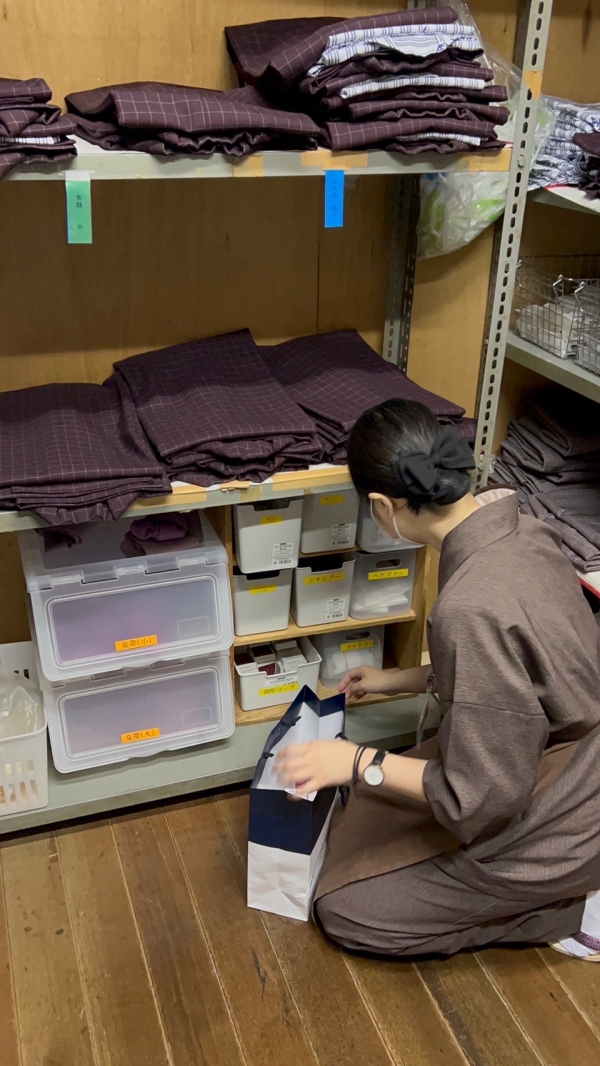
こんにちは!グローバル観光学科3年次生の廣瀬結衣です。今回は、私のCEP先である城崎温泉での活動内容についてご紹介します。城崎温泉CEPでは「西村屋」の方々にお世話になり、就業研修を行いつつ、城崎地域のSDGs調査を行いました。就業研修では、「西村屋本館」と「西村屋ホテル招月庭」で客室業務とフロント業務を行いました。客室業務では、お布団上げやお布団敷き、朝食・夕食の配膳や下膳、チェックアウト時のお見送り、チェックアウト後の客室清掃、客室準備等を行いました。フロント業務では、フロントやラウンジの清掃、チェックアウト時のお見送り、チェックイン時のお出迎え、館内案内等を行いました。
この研修を通じて主に接客マナーやおもてなしの精神について深く学ぶことが出来ました。研修の中では、すれ違ったお客様への挨拶、食べやすさや見栄えに気を遣った料理の配膳のほか、お客様に合わせて料理を提供するタイミングを考えたり、配膳・下膳時は音を控えてスムーズに行ったり、会話からお誕生日や記念日でお越しになったとわかれば祝い膳を用意したりと目に見えない場面でも、態度や行動、心遣いがサービスに表れていることに深く感動しました。また、客室係同士での助け合いが見られ、従業員間での感謝や挨拶も頻繁に交わされており、従業員同士の絆も窺うことが出来ました。このような従業員間での心遣いがサービスのクオリティーを向上させていると感じました。
西村屋社長である西村総一郎様によると、現在の城崎のまちづくりは、北但大震災が大きく影響しているそうです。北但大震災とは、大正14年5月23日豊岡・城崎方面に生じたマグニチュード6.8の烈震のことです。この大震災によって、城崎の多くの家屋が倒壊し大火災が生じました。復興の際には、景観資源の保全・継承を行いつつ、災害対策にも力を入れました。道幅や川幅を広げ、川には玄武岩を使用した護岸壁を設け川の氾濫に備えました。それだけでなく、コンクリート製の建造物を設置し、火事が起きても周囲に広がらないよう対策が施されました。この北但大震災によって倒壊・焼失した街の再建が今のまちづくりの基盤となっています。また、城崎地域では、駅は玄関、道は廊下、宿は客室、土産屋は売店、外湯は大浴場といった街を一軒の旅館としてとらえ、城崎全体で街づくりを行っていく「共存共栄」というまちづくり哲学を掲げています。
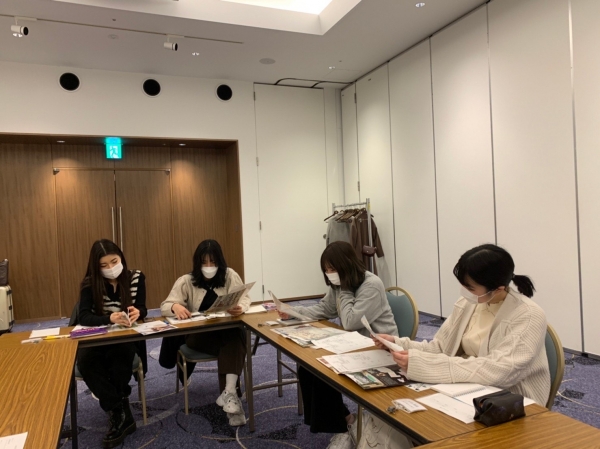
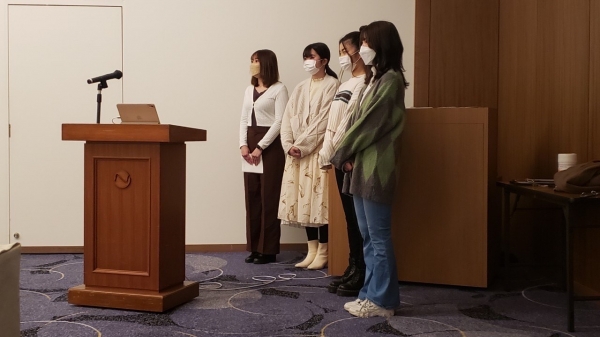
私たちは、この城崎のまちづくりを含めた地域の魅力やブランドに着目し、城崎地域の不安定な観光客数という課題解決に取り組みました。具体的には電子媒体を利用した地域の魅力発信が有効であるという現地で行ったインタビュー調査結果に基づき、PR動画を作成するという取組をおこないました。この動画では、「共存共栄」についての説明を行いつつ、城崎の蟹や温泉以外の魅力として若者に人気があるようなインスタ映えスポットを主に取り上げています。この記事を読んでくださった皆様に城崎の魅力をより知って頂きたいため、こちらのURLから是非私たちの作った動画をご視聴ください。城崎温泉CEPは、就業研修と調査を同時並行で行う非常に内容の濃い3週間でした。今回のCEPにご協力頂いた全ての皆様に心より感謝申し上げると共に、この研修を通じて経験し学んだことを今後も活かしていきます。
Hello! I'm Yui Hirose, and I am a third year student in the Department of Global Tourism. This time, I would like to introduce our activities at Kinosaki Onsen, my CEP destination. At the Kinosaki Onsen CEP, we conducted an SDGs survey in the Kinosaki area while conducting employment training with the help of the staff of Nishimuraya.
Our employment training consisted of housekeeping and reception work at both the Nishimuraya Main Building and Nishimuraya Hotel Shogetsutei. Through this training, I was able to learn about customer service etiquette and the spirit of hospitality. We greeted guests when we passed each other, served dishes that are easy to eat and look good, prepare easy-to-use amenities and yukata, as well as thinking about the timing of serving dishes according to the guests’needs. Attitude, behavior, and consideration are always required, even small details like serving food quietly, or preparing a celebration for a guest when staff overhear that a guest has a birthday or anniversary during their stay. I was deeply impressed by what I witnessed.
In addition, the room clerks frequently helped each other and exchanged words of gratitude and greetings among staff, and I was able to feel the bonds between the employees. I felt that this kind of consideration among staff really improves the quality of service. In the SDGs survey of the Kinosaki area, the theme was Efforts to Revitalize the Tourism Industry by utilizing Sustainable Development in Kinosaki: Coexistence and Co-prosperity, and through literature and interviews, we compared Kinosaki's development and the goals of the SDGs. We investigated and made concrete proposals for revitalizing tourism.
According to Mr. Soichiro Nishimura, the President of Nishimuraya, the current development of Kinosaki is greatly affected by the Great North Tajima Earthquake. This quake had a magnitude of 6.8 and shook Toyooka and Kinosaki on May 23, 1914. Many houses in Kinosaki collapsed and a fire broke out. During the reconstruction, the town planners focused on disaster countermeasures while conserving landscape resources. The width of the road and river were widened, and a revetment wall using basalt was installed on the riverbank to prevent flooding. Concrete structures were also installed to prevent fire from spreading to the surrounding area in the event of another quake. The reconstruction of Kinosaki is the basis of today's town development.
In Kinosaki, the station is the entrance, the road is the corridor, the inn is the guest room, the souvenir shop is the store, and the outdoor hot spring is the large communal bath. This is the philosophy of development in this town. We focused on the attractiveness and brand of the area, including the development of Kinosaki, and worked to solve the problem of unstable tourist numbers. We created a PR video as an initiative based on the results of an interview survey conducted locally to showcase the appeal of the region using digital media. In this video, while explaining "coexistence and co-prosperity", we mainly focus on Instagram-worthy spots that are popular with young people as attractions. We would like everyone who reads this article to learn more about the charms of Kinosaki, so please watch our video by clicking on this link.
-
 就業研修中
-
 調査会議
-
 現地発表


