


GTゼミ活動紹介
2022/03/31 19:00:00 原先生ゼミの紹介パート2:研究発表会にて最優秀賞受賞!
 GTゼミ活動紹介
 3年原先生ゼミ(広報隊横田)
みなさんこんにちは!国際貢献学部グローバル観光学科の横田藍子です。今回は、2月11日に開催された「NPO法人観光力推進ネットワーク・関西学生連絡協議会学生研究発表会」について報告したいと思います。そこではゼミで1年間を通して研究した内容を発表させていただきました。
私は原先生ゼミの宗教文化観光チームで研究を進めてまいりました。ちなみに、今年はゼミの中で、グランピングチーム、サステナブルチーム、ダークツーリズムチーム、スピリチュアルチームの4チームに分類されています。私は3人のメンバーで「チームスピスピ」と名付け、京都を中心とした関西圏の神社仏閣を調査し、神社仏閣を持続可能な存在にするために貢献することを目的としてアンケート調査、ヒアリング調査、現地調査を実施してきました。持続可能な未来のために、若年層向けに発信するにはということを考え、SNSの開設や、動画作成をして親しみやすく工夫をしたりしました。
今回の発表はオンラインで行われ、他大学を含む7大学16チームの発表が行われました。京都外国語大学からは、4チームが出場し、原先生ゼミからは私たちチームスピスピと、サステナブルチームが参加しました。他大学の素晴らしい発表を聞き、私たちも緊張の中、原先生にブラッシュアップしていただきながら完成したパワーポイントの発表を行いました。最後に賞の発表がありましたが、私たちのチームは最優秀賞の「NGO理事長賞」を頂くことができました。そして、サステナブルチームも最優秀賞である「日本観光研究学会 支部長賞」を頂くことができました。
私たちが研究を行ってきたことがこのように形に残すことができたのは、とても嬉しいことですし、私たちの発表を聞き、多くの若者にも発信することができて、達成感を感じました。ゼミの最終発表は終わりましたが、これからも発信し続けるためにSNSは続けていきたいと考えています。みなさんも、少しでも興味があれば、私たちの研究について覗いてみてはいかがでしょうか。
こちらからインスタグラムを見ることができますので、是非よろしくお願い致します。
原先生ゼミ「チームスピスピ」のインスタグラムアカウント:@team_spispi
Hello everyone! I'm Aiko Yokota from the Department of Global Tourism in the Faculty of Global Engagement. This time, I would like to report on the NPO Tourism Promotion Network Kansai Student Liaison Council Student Research Presentations that were held on February 11. I presented what I had researched throughout the year in my seminar.
I have been working on my research as a member of the religion, culture, and tourism team in Prof. Hara's seminar. This year the seminar is divided into four teams: the Glamping Team, the Sustainable Team, the Dark Tourism Team, and the Spirituality Team. The three members of the team, which I named Team SpiSpi, have been surveying shrines and temples in Kyoto and other parts of the Kansai region, conducting questionnaires, interviews, and field surveys with the aim of contributing to making shrines and temples more sustainable. We have also considered how we can communicate with the younger generation to ensure a sustainable future, and we have created a social networking service and made videos.
Presentations were made online by 16 teams from 7 universities. Four teams from Kyoto University of Foreign Studies participated in the competition, and from Prof. Hara's seminar, Team SpiSpi and the Sustainability Team participated in the competition. We were nervous after listening to the excellent presentations from the other universities, but with the help of Prof. Hara, we were able to brush up our PowerPoint presentations. At the end of the program, the awards were announced, and our team was awarded the NPO President's Award for the best presentation. The Sustainability Team also received a top prize, the Japan Society for Tourism Research Branch Chief Award.
We were very happy that our research work could be presented in this form, and we felt a sense of accomplishment that through our presentation, our research could be heard and disseminated to many young people. Although the final presentation of the seminar is over, we would like to continue using social networks to keep transmitting this information. If you are interested, why don't you take a peek at our research? You can view our Instagram here, and we look forward to working with you.
2022/03/31 18:00:00 原先生ゼミの紹介パート1
- GTゼミ活動紹介
- 3年原先生ゼミ(広報隊松浦)
こんにちは!グローバル観光学科3年次生の松浦芽衣です。今回は私の所属する原一樹先生ゼミについてご紹介します。
私たちのゼミは、グランピング調査チーム、サステナブルな宿調査チーム、ダークツーリズム調査チーム、スピリチュアル調査チームと4チームに分かれています。
今年は、各々のタイトルである「グランピング」、「サステナブルな宿」、「ダークツーリズム」、「神社仏閣」に若者が興味を持ってもらうことを目標にして、各チームが文献・資料調査や現地視察調査、ヒアリング調査、アンケート調査などを行い、更に、Instagramのアカウントの開設やツアープランニングを行いました。
ゼミメンバー全員が個性豊かで仲が良く、チームの垣根を超えて、全員でアイデアを出し合いながら協力してゼミ研究を進めました。さらに国連世界観光機関(UNWTO) の文献講読を行ってSDGsや世界情勢について理解を深めたり、1ヶ月に一回の読書レポートを作成、提出し、読書習慣を身に付けたりしました。
毎月の読書レポート発表の際に、新しいジャンルの本に出会うことができたので、私は本を読むのがとても楽しくなりました!特に面白かったのは、「スマホ脳」という本です。私はスマートフォンに依存しているので、この本を読んで、寝る前30分はスマートフォンを控えることに決めました。
原一樹先生ゼミでは、自由にのびのびと楽しく学習を進めています!
後輩の皆さん、是非遊びに来てくださいね✨
Hello! My name is Mei Matsuura, a fourth-year student in the Department of Global Tourism. This time I would like to introduce my seminar with Professor Kazuki Hara.
Our seminar is divided into four teams: Glamping, Sustainable Lodging, Dark Tourism (the history of Kansai) and Spiritual (temples and shrines). This year, each team established an Instagram account and planned a tour with the goal of getting young people interested in their respective team titles.
All seminar members have distinct personalities and get along well with each other, and the other teams collaborated with each other to come up with ideas for seminar research.
In addition, they deepened their understanding of the SDGs and world affairs by subscribing to UNWTO literature and also participating in a reading week by completing a reading report once a month.
I've enjoyed reading so much more now that I get to discover new genres of books during our monthly reading report presentations! I particularly enjoyed the book
Smartphone Brain. I am dependent on my smartphone, so after reading this book I decided to refrain from using my smartphone for 30 minutes before going to bed.
In Prof. Hara's seminar, we all enjoy learning freely, spontaneously, and happily! Juniors, please come visit us!! Thank you for reading this blog!
-
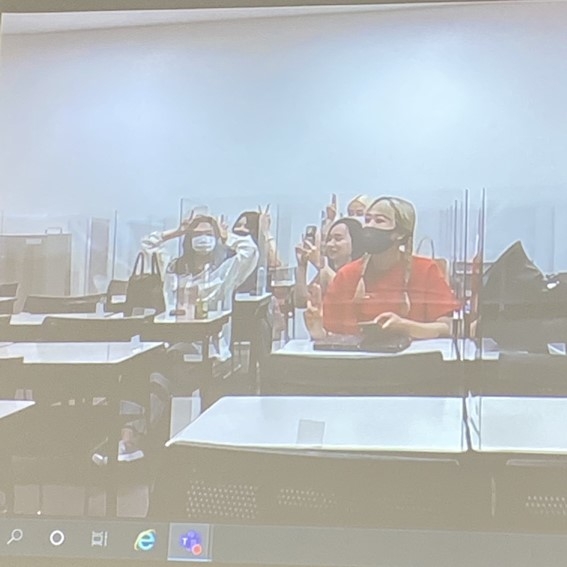 オンラインで受けるゼミメンバーと交流する様子
-
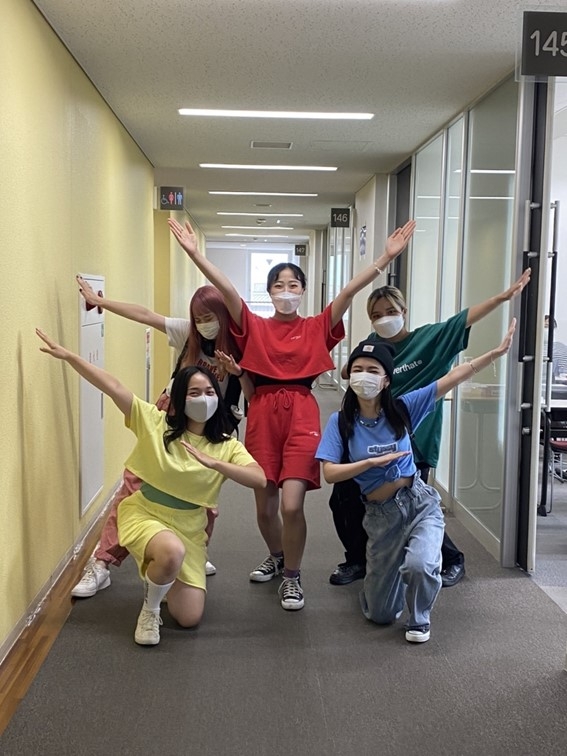 カラフルなゼミメンバー集合!
2022/03/25 17:20:00 ジェフ先生ゼミフィールドワーク
- GTゼミ活動紹介
- 3年ジェフ先生ゼミ
こんにちは!グローバル観光学科3年次生の辻野 百音です。今回、私たちジェフ先生のゼミ生は2月28日に、参加可能なメンバー(先生+4人)で感染対策をしつつ、フィールドワークに行きました!
まず、東山の如意ヶ岳、通称大文字山に登りました。元々は夏休みに予定していましたが、予想以上の暑さで中止になってしまいました。ですが、今回は天候に恵まれ気温もちょうどよく、開催することが出来ました。
最初、私たちは登山口に近い哲学の道で待ち合わせをしました。全員集まり、無事に登れるようお参りをしていざ出発!
体調が悪い人もおらず、対面でゼミ生と会うことが初めてな生徒も加わり、仲良く喋りながら山登りをスタート。ですが学生全員、思っていた以上に登ることがきついと早々に気づきました…。休憩を挟みながらも、何とか頂上を目指しました。
歩くこと約30分。木々の間を転ばないよう歩いていると、目の前から木がなくなり、開けた場所に出ました。そこは「大」のある場所。ようやく半分登りきった証拠です!
天気がよく京都の街も一望できて、とてもいい景色でした。
さらに約20分ほど歩くと、頂上に着きました。みんなで座りお昼ご飯タイム。自然の中で食べるお弁当はとても美味しかったです!
しばらくしたあと、反対側を降りて南禅寺に向かいました。ずーっと続く獣道はとても疲れました。膝が震えたり、先生も膝がかなり痛そうで、学生たちはみんな心配しながら降りました。
帰り道はほぼ舗装されていない道で時間がかかりましたが、降りきると目の前には南禅寺の水路閣。授業で写真を見るのとは違い、歴史を感じる美しいものでした。
「今から帰るのも疲れるね」と話しながら、重要文化財の山門の下にある階段で休憩。全員が疲れきっていて足が痛かったですが、楽しかったと笑うことが出来ました。
一人では行くことの無いだろう大文字山を登り、南禅寺の水路閣と山門を見てきました。コロナ禍で自粛をしていたのでとてもハードなフィールドワークになりましたが、それ以上にいい経験になったと思います!皆さんも、よければ登ってみてください!
Hello! My name is Mone Tsujino and I’m a third year student in the Department of Global Tourism. On February 28 the seminar members who were able to go (4 members + Jeff Sensei) had a one-day fieldwork excursion while minding the health measures for the pandemic.
First we climbed up Mt. Nyoi-ga-Take, familiarly known as Mt. Daimonji. We had originally planned on this fieldwork during summer vacation, but because of the extreme heat we put it off. However, this time we were blessed with beautiful warm weather and happily started our fieldwork.
Our meeting spot was the north end of Philosophers Walk, near the place where the climb up Mt. Daimonji begins. After everyone gathered together, we walked past the entrance to Ginkaku-ji, paid our respects to the gods at Hachi Jinja Shrine for a safe climb up the mountain, and set off!
All of us feeling well, we started climbing as we chatted amongst ourselves, meeting in person one student who had been online for the whole school year. But none of us students had imagined how difficult the climb would be! We quickly found out! Taking short breaks along the way, we headed for the top.
We climbed about thirty minutes, making sure not to slip and fall as the trail wandered through the trees. Then the trees ended and we came to a wide open space. We had reached the Dai character, which meant we were halfway up the mountain! The sky was clear, and from there we could see all of Kyoto laid out below. What a fantastic view!
Another twenty minutes of hiking brought us to the top of the mountain. We sat down beside the trail and had our picnic lunches. Eating out-of-doors makes the food taste so delicious!
After our lunch break, we headed along the Higashiyama mountain range to the path leading down to Nanzen-ji Temple. Following the steep wilderness trail was really tiring! We started feeling weak in the knees, and Jeff seemed to have a lot of pain in his knees. All of us were worried about him as we hiked down the mountain.
The trail down the mountain wasn’t kept very well, but after a long, hard descent, we reached the aqueduct and Nanzen-ji Temple. I had seen photos of the aqueduct and the temple in classes, but the real thing had a feeling of history, and was beautiful beyond words!
As we chatted about being too tired out to even start going home, we found a nice stone stairway to sit down and rest, right in front of the National Treasure Nandai-Mon gate of Nanzen-ji (see photo). All of us had painful legs from our mountain trek, but we were laughing as we chatted.
Climbing Mt. Daimonji is something that we probably wouldn’t do alone. But together we climbed the mountain, saw the aqueduct, and visited Nanzen-ji. The pandemic limited our activities for a long time, so it was really strenuous fieldwork. The feeling of accomplishment and happiness at the end, however, more than made up for the hard work. Everyone, if you get a chance, please enjoy hiking up Mt. Daimonji!
-
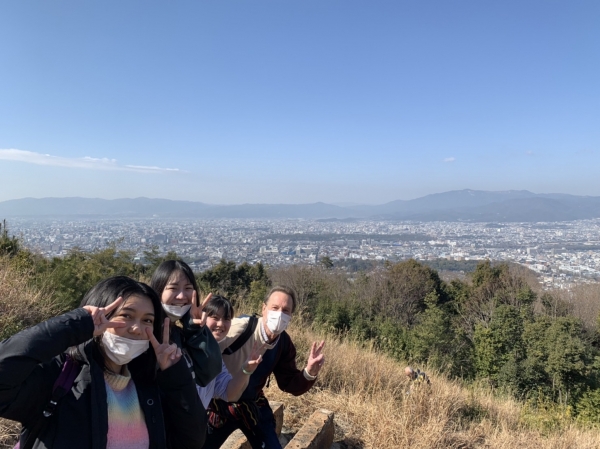 大文字山への登山の様子
-
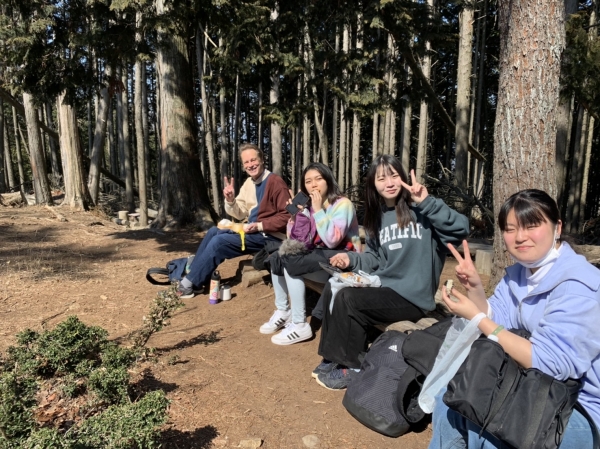 お昼ご飯タイム!
-
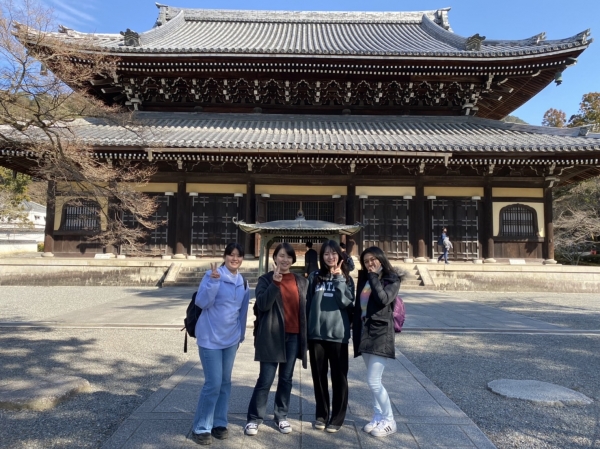 参加したゼミ生4名でハイポーズ!
2022/03/18 11:50:00 3年戴先生ゼミからの活動報告
- GTゼミ活動紹介
- 3年戴先生ゼミ
みなさん、こんにちは。3年戴先生ゼミです。3年戴先生ゼミが兵庫県神戸市にある風見鶏の館と南京町で行ったフィールドワークを紹介します。
風見鶏の館は、神戸北野異人館街風見鶏の館(旧トーマス住宅)によると、明治42年(1909年)頃にドイツ人貿易商ゴッドフリート・トーマス氏の自邸として建てられ、レンガの外壁と尖塔の風見鶏は、北野異人館のシンボルとして愛されています。
南京町は、南京町商店街振興組合によると、「南京町」は、南京町商店街振興組合が維持管理する商店街の名称であり、東西約270m、南北約110mの範囲に100を超える店舗が軒を連ね、異国情緒あふれる神戸の観光スポットとして愛されています。また、横浜中華街、長崎中華街と共に、日本三大中華街の一つに数えられます。
今回のフィールドワークで3年戴先生ゼミは、風見鶏の館周辺と南京町のコロナ前後における観光状況について聞き取り調査を行いました。風見鶏の館周辺では、風見鶏の館のスタッフの方と風見鶏の館の前にある北野観光案内所のスタッフの方にコロナ前後における観光状況についてのお話しをお聞きしました。風見鶏の館のスタッフの方は、現在風見鶏を訪問される方の人数は、コロナ前の10分の1になったとおっしゃっていました。風見鶏の前にある北野観光案内所のスタッフの方は、コロナ前は、外国人の中に日本人を探すというぐらいたくさんの外国人の方が訪問していたとおっしゃっていました。また、コロナ禍は、中学校や高校の修学旅行の一環として訪問される方が多いとおっしゃっていました。南京町では聞き取り調査を実施できませんでしたがたくさんの人が訪問していることが分かりました。
今回のフィールドワークを通して、場所によって違いがありましたが新型コロナウイルスの影響で観光客の方が少なかったことが分かりました。早く神戸に活気が戻ってきてほしいと思いました。
フィールドワークと写真撮影については新型コロナウイルス感染拡大防止対策を講じた上で実施、撮影しています。
<引用参考文献一覧>
・神戸北野異人館街公式サイト「風見鶏の館(旧トーマス住宅)」
風見鶏の館(旧トーマス住宅) | 神戸北野異人館街公式サイト ~神戸の異国情緒を異人館から~ (kobeijinkan.com)
2022年2月28日閲覧
・南京町商店街振興組合「南京町大全 南京町とは」
南京町大全|熱烈歓迎!南京町 (nankinmachi.or.jp)
2022年2月28日閲覧
-
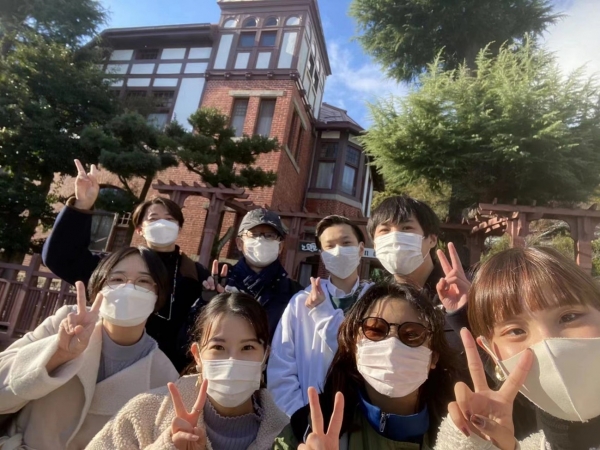 神戸北野異人館風見鶏の館(旧トーマス住宅)前の写真です。 (3年戴先生ゼミの学生が撮影しました。)
-
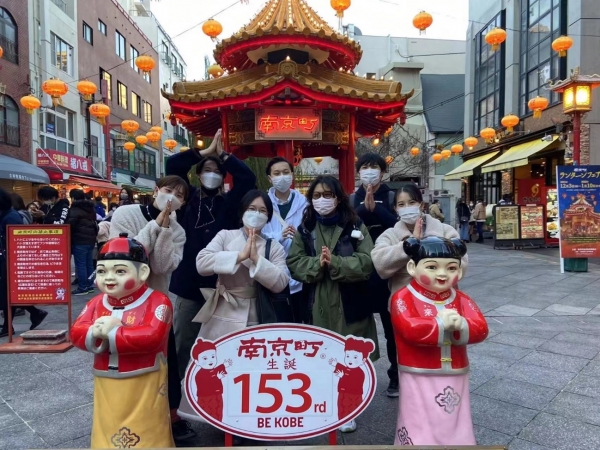 南京町の写真です。(戴先生に撮影していただきました。)
2022/03/03 17:00:00 吉兼先生ゼミ紹介
- GTゼミ活動紹介
- 4年吉兼先生ゼミ
みなさん、こんにちは。吉兼ゼミの高澤歩花、樋口愛華、渡利明子です。授業の様子や課外活動について紹介させていただきます。
授業は毎週3~4人の個人プレゼンテーションを中心に授業が進み、そこから先生と会話するような形式で研究テーマについて理解を深めていきます。時折4回生の卒業研究を聞く機会もありました。各々が興味のある分野で調査して発表するので、知見が広がり様々な目線から物事を考えるきっかけとなります。私たち3人は当初異なるテーマで研究を進めていましたが、「色と観光」というテーマに興味を持ち現在研究を進めています。 事例が少ない分やりがいを感じています。
ゼミ生の研究テーマなどに基づき、学外でのフィールドワークも行われます。 今年度は4回行いました。
7月には池田市の地域活性化をテーマとするゼミ生の案内で池田市の観光資源調査を行いました。カップヌードルミュージアムでは、自分でカップをデザインし、具材やスープをカスタマイズして世界に一つのオリジナルカップヌードル作りを体験しました。出来上がったカップヌードルには食べるのが勿体無いと思うくらい愛着が湧きました。10月には西の京をテーマとするゼミ生の案内で、世界遺産の薬師寺や唐招提寺など西の京巡りを行いました。コロナに緊張する地域の方の姿は印象的でした。
先生のフィールドの明日香村では、11月地域ボランティアの活動に参加しました。私達は竹ご飯作りを実験しました。竹の器でご飯を上手く炊けるか不安でしたが、結果は成功し、ボランティアの方が調理した飛鳥鍋に合うご飯が出来上がりました。その他にも、案山子に古代衣装を着せたり、古代住居の藁屋根の修復をしたり、昔ながらの精米体験もさせて頂きました。
また先生が観光アドバイスしている枚方市を11月中旬に訪ね、「観光まちづくり実践」受講者と共に、枚方市のイベント体験調査も行いました。訪れた日は京街道でジャズイベントや手作り菓子や雑貨などのお店が並ぶ五六市が行われていました。
このようにゼミ生の研究テーマの地を皆で訪れたり、他の講義受講者と一緒に調査をしたりなど、自分たちの興味関心を持つ研究以外のことも行えるので貴重な体験が沢山できるゼミだと思います。
-
 カップヌードルミュージアム(池田市)
-
 唐招提寺(奈良市西ノ京)
-
 案山子の古代衣装着替え(国営飛鳥歴史公園)


