


2025/06/09 22:50:00 Writing with Empathy (WWE)
 教授の声
 Kevin Ramsden
Unless you are very academically minded, or extremely interested in a particular subject or topic, it can sometimes be very difficult to get to grips with writing for academic purposes when you first start, either in school or at college. Perhaps it is just the process that you find difficult and are put off by the rules that are often applied to this style of discourse. There is also the question of the research that is required to make sure your essay or paper is factually solid and correct. Sure, there is a wealth of information and sources on the internet you can plunder, but now there is also the minefield of what to include from your findings in terms of AI generated content and having to be aware of plagiarism. Actually, I like to balance my own academic writing output with some examples of creative writing. In this way, I can enjoy writing about a topic or theme from another perspective, and even come to learn and understand it better. This is what is known as Writing with Empathy (WWE).
So, what do I mean by writing with empathy? Well, basically it is a more creative approach to writing on a topic or theme, which means producing a piece of writing that is mostly fictional rather than completely factual. For example, if you are studying about the lives of refugee children from a war-torn region, you can do a lot of background reading on their problems through online articles and accounts first, and then consider what you have read and try and put yourself in their shoes (empathy) and write a story based on those experiences.
These days many people are experimenting with “flash fiction”, which is a piece of writing between 300 and 1,000 words only. Believe me, it is surprising how much you can include in such a short word count, and very good practice for getting your point across succinctly and with great precision. Of course, there are also many topics or themes on personal and societal issues for the eager writer to get their teeth into, such as educational issues, environmental issues, gender issues, poverty and homelessness, loneliness, etc. Here is an example short story from my own work, which focuses on how teachers sometimes struggle with motivating their students: Monkey Want Banana.
And here is another. A piece of flash fiction that illustrates how parents have to cope with an “empty nest” when their children leave home. It is all about loss and loneliness really. I’m sure many parents have to deal with this at some point: Counting the days til summer.
There are also some great opportunities to explore WWE further and even win some prizes for your work (sometimes with money!). There are a number of theme-based creative writing competitions run by international organizations and universities annually, and this is a terrific way to build on your writing skills and get your work out into the world.
https://www.greenstories.org.uk/
https://blog.reedsy.com/writing-contests/short-story/
Of course, I am not saying that creative writing should replace academic writing in the university, but rather it can be an enjoyable way to supplement understanding of the topics or themes you study about and even inspire and encourage others to do the same.
Happy writing!
Kevin
-
 Empathy is important.
-
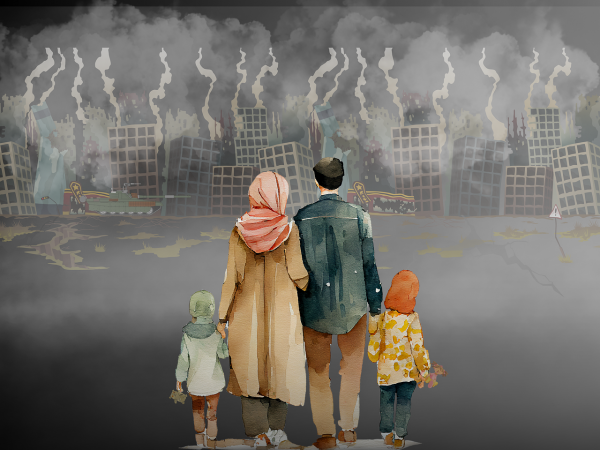 Some families live in war zones.
-
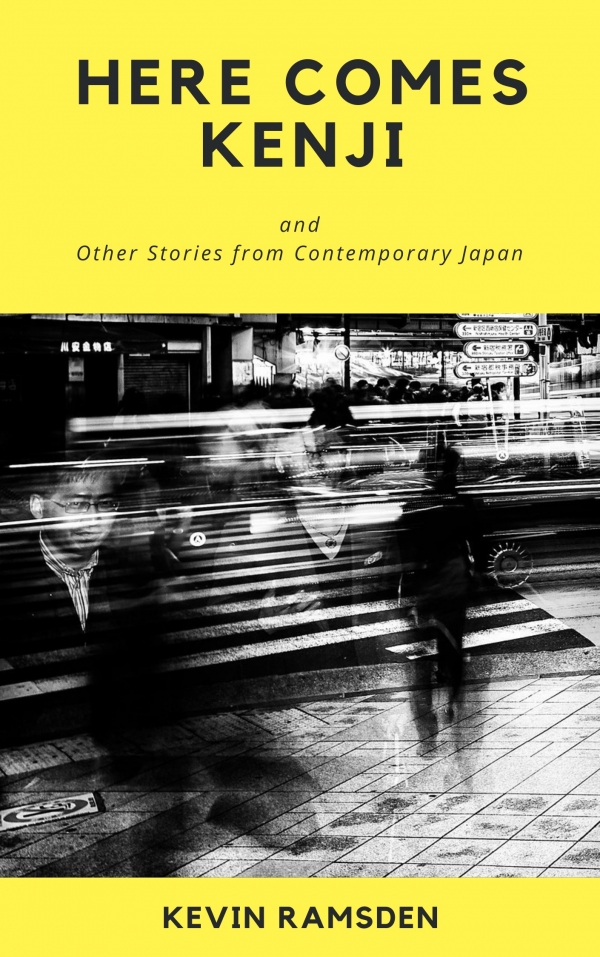 Here Comes Kenji Book Cover.


